Broad collections
Explore a visual family before choosing one motif.
Browse directions such as animals, anime, floral work, people, fantasy, skulls, and symbols when the exact motif is still open.
See every broad collection

Stencil Gallery
Start broad with themed collections, narrow to one specific subject, then compare strong examples before preparing your own reference.
Browse stencils
Collections cover a wider visual family. Subject pages stay on one motif so you can compare different ways to structure it.
Broad collections
Browse directions such as animals, anime, floral work, people, fantasy, skulls, and symbols when the exact motif is still open.
See every broad collectionSpecific subjects
Use a subject page when the motif is already clear and you want to compare silhouette, composition, spacing, and detail without unrelated references getting in the way.
Browse focused subjectsVisual examples
Use these examples to compare silhouette, spacing, composition, and detail at a glance, then open the collection that fits your direction.

Woman profile with water and birds
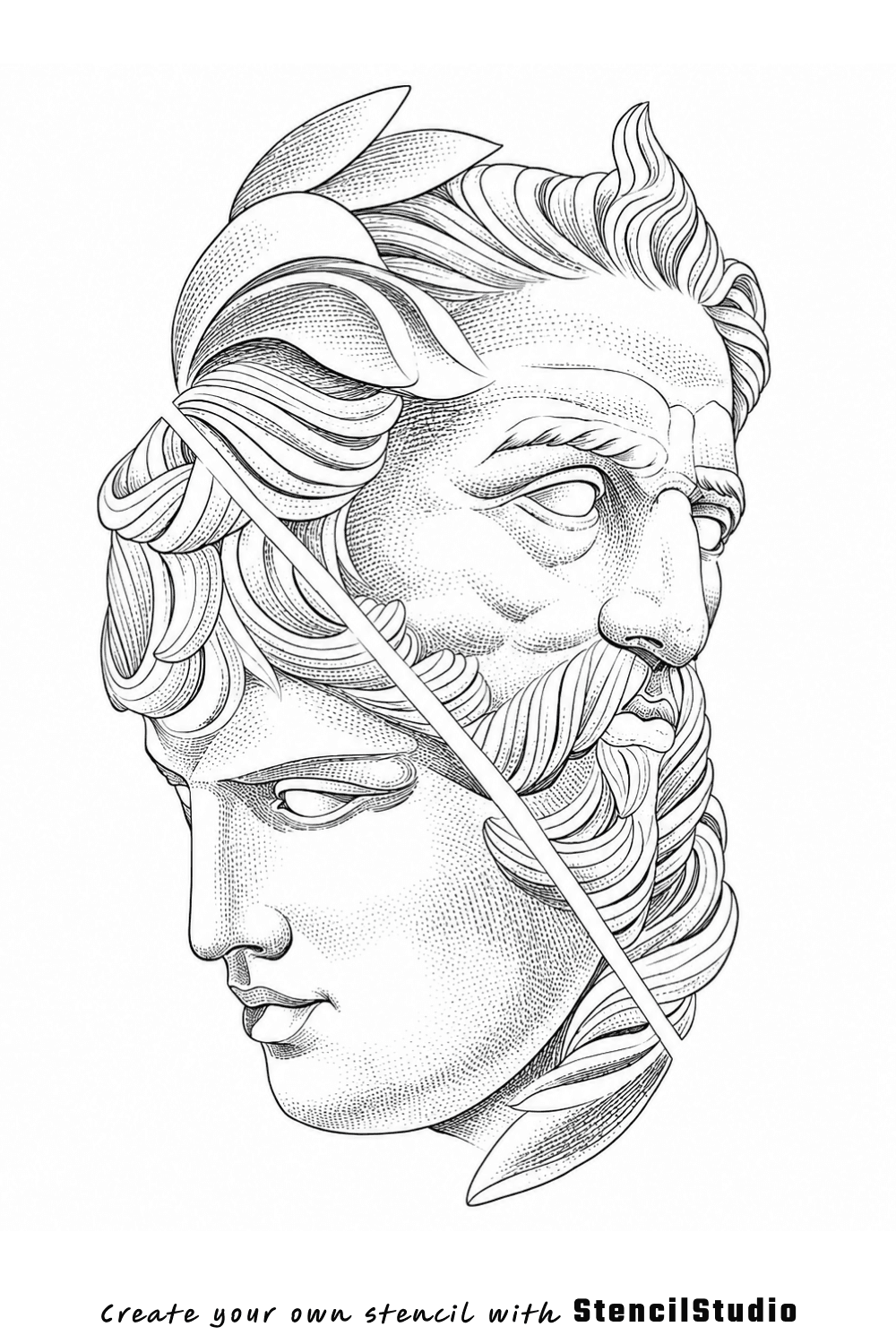
Split classical bust
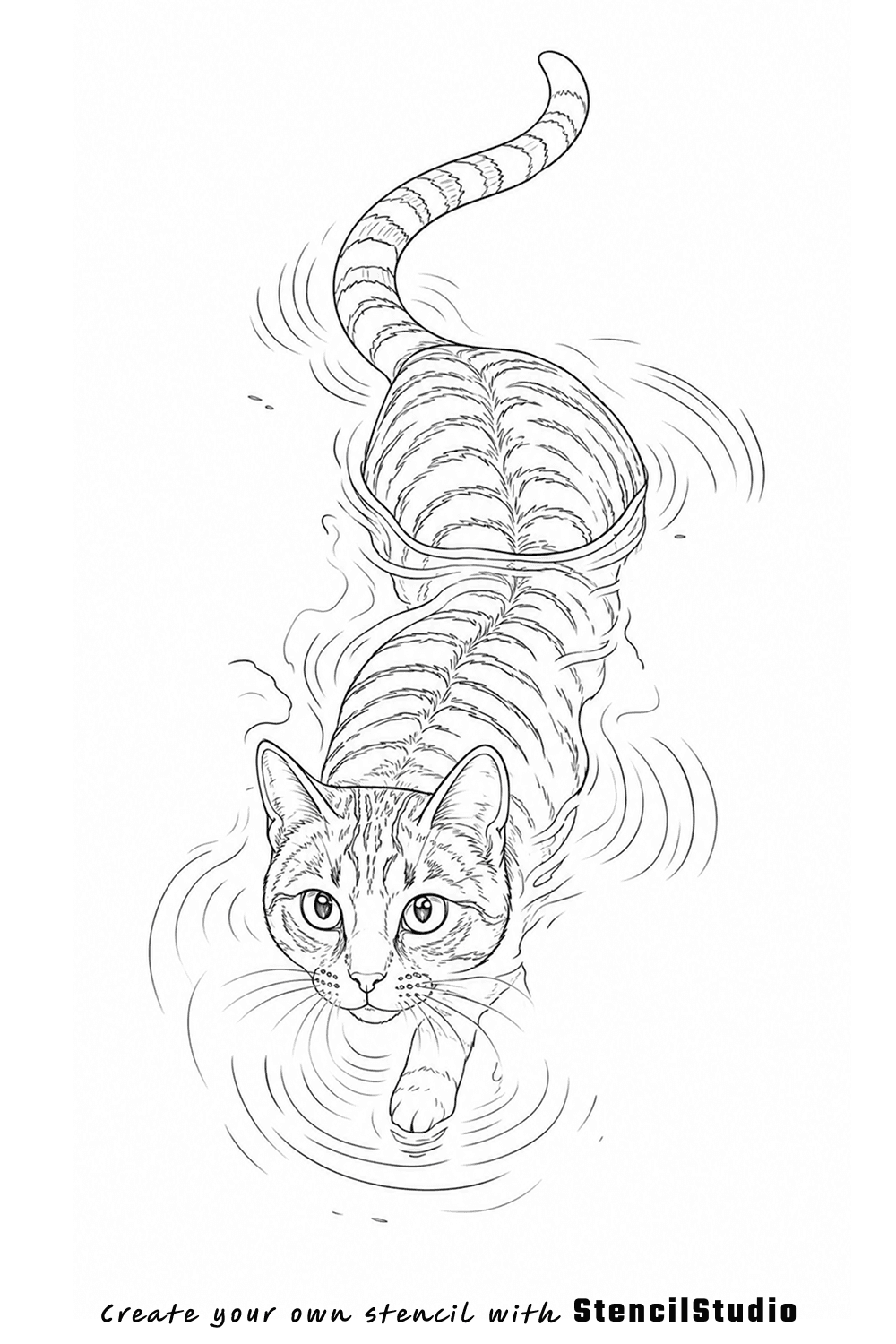
Swimming tabby cat
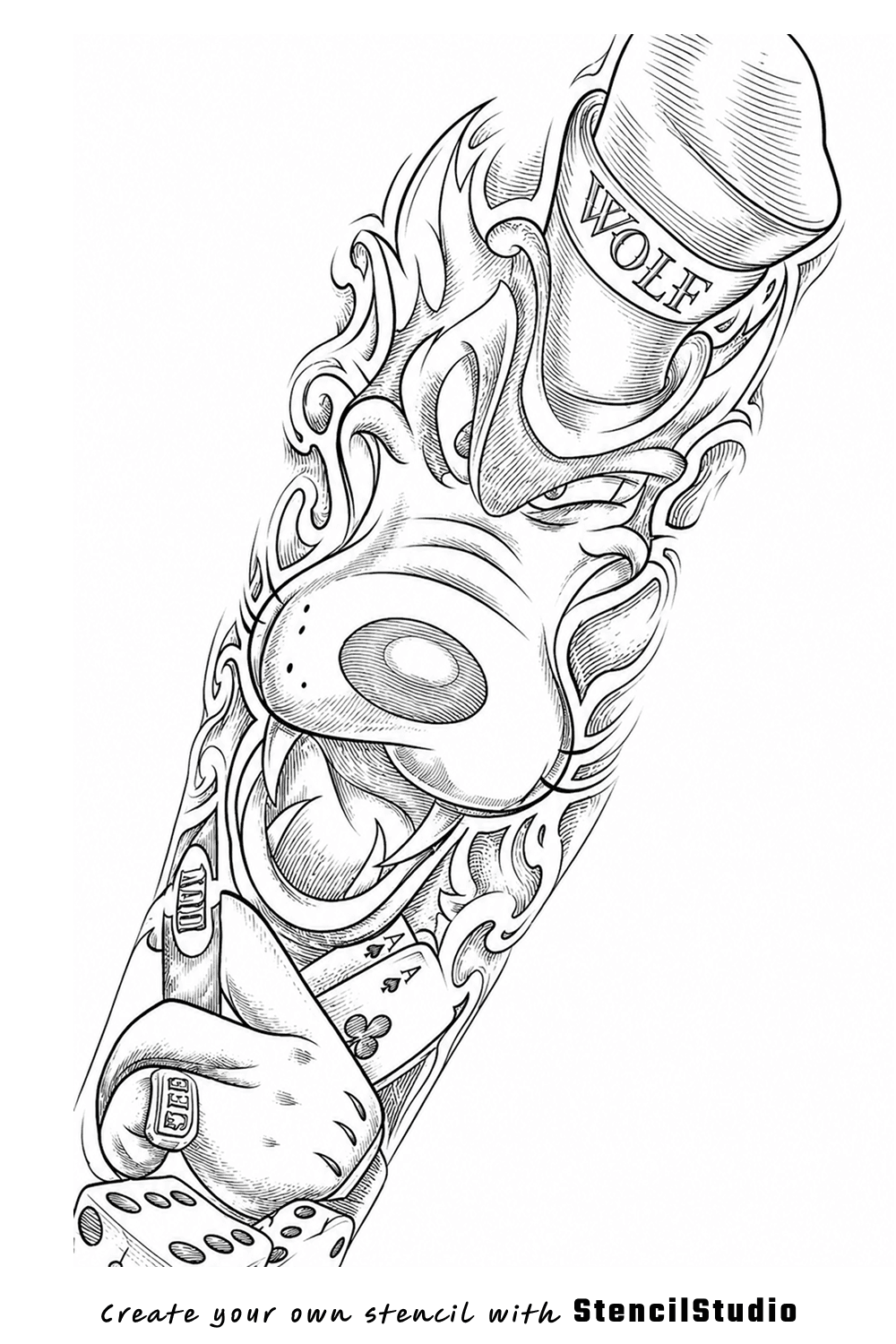
Wolf with gambling motifs

Classical bust with geometric head
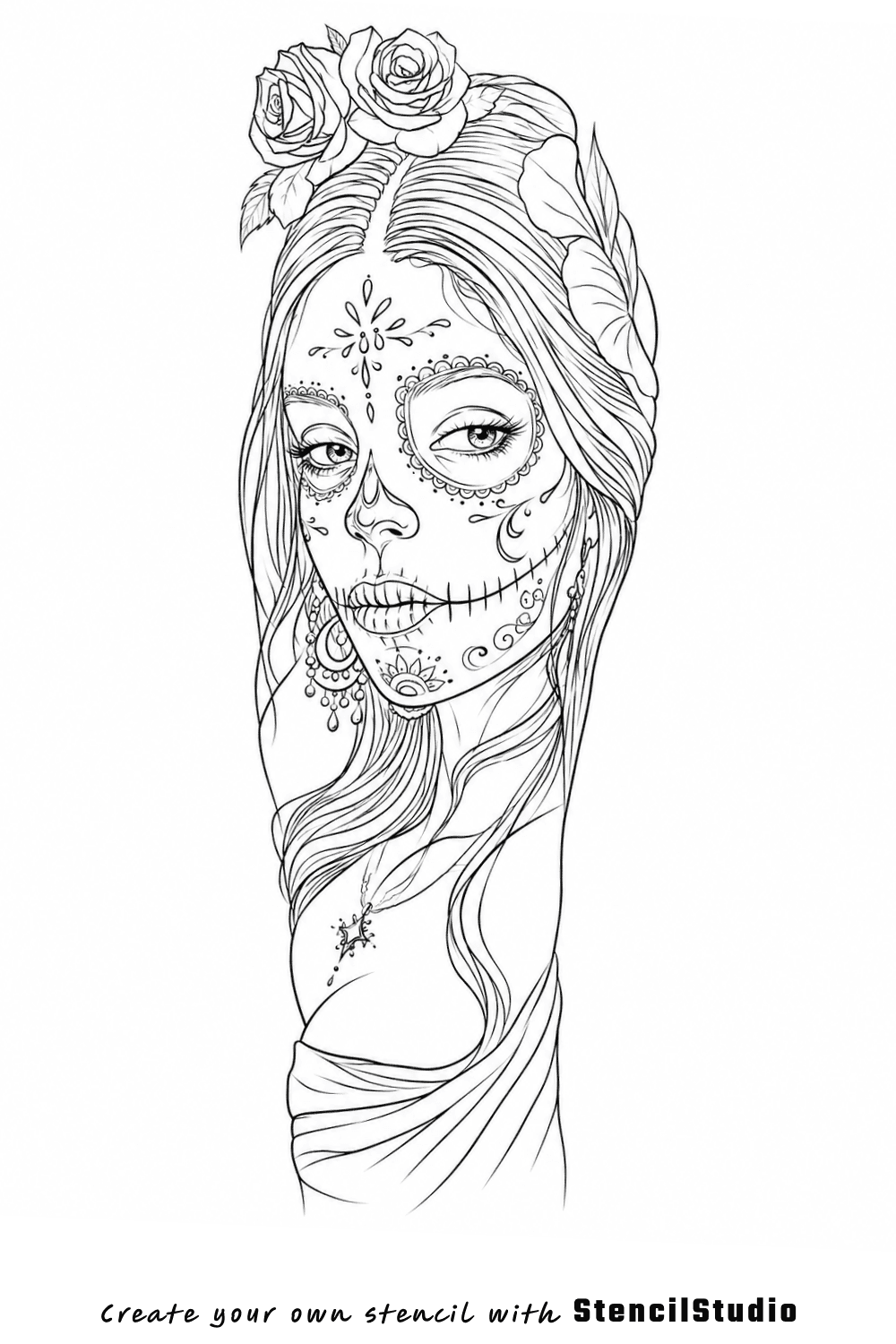
Dia de los Muertos portrait
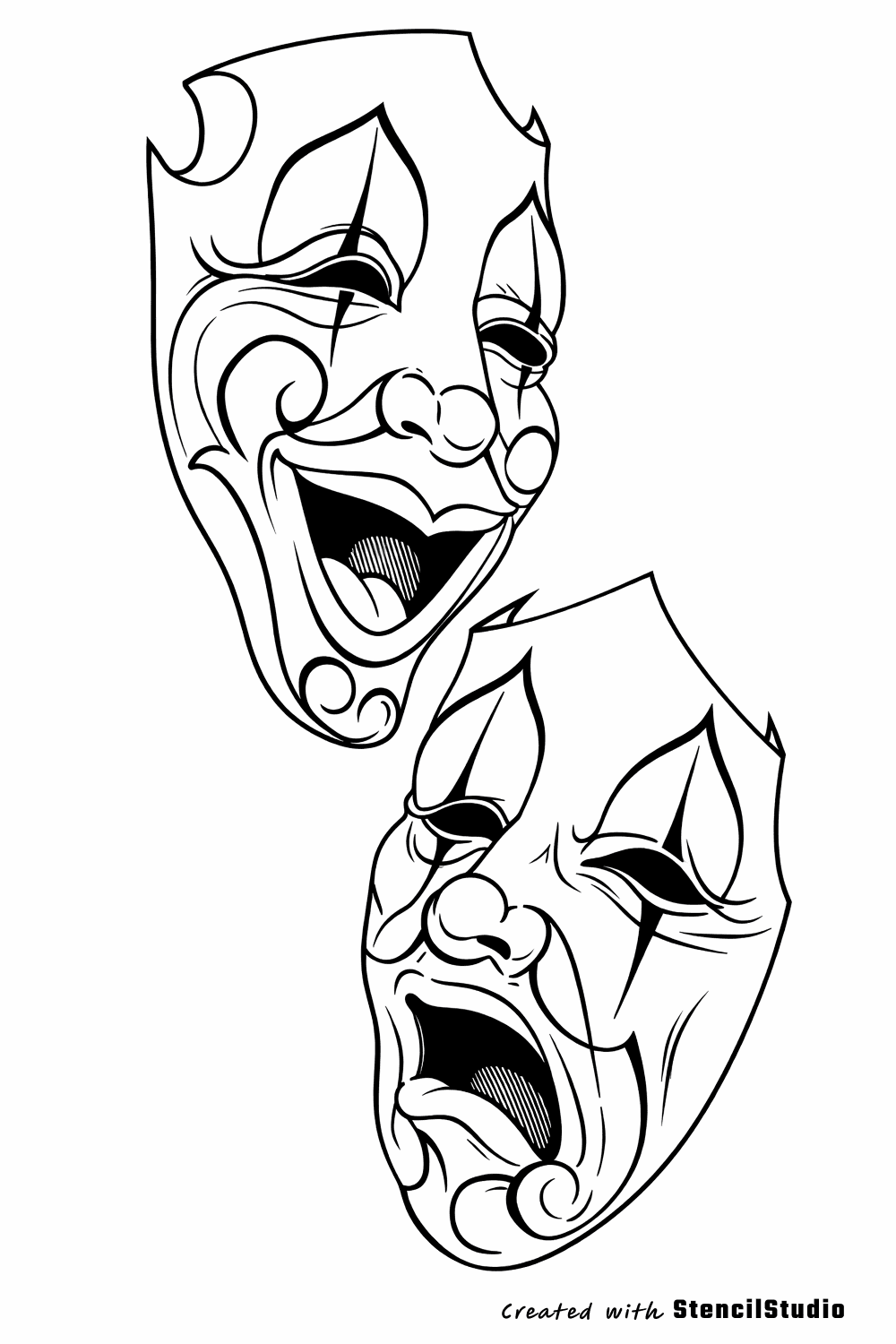
Theater masks
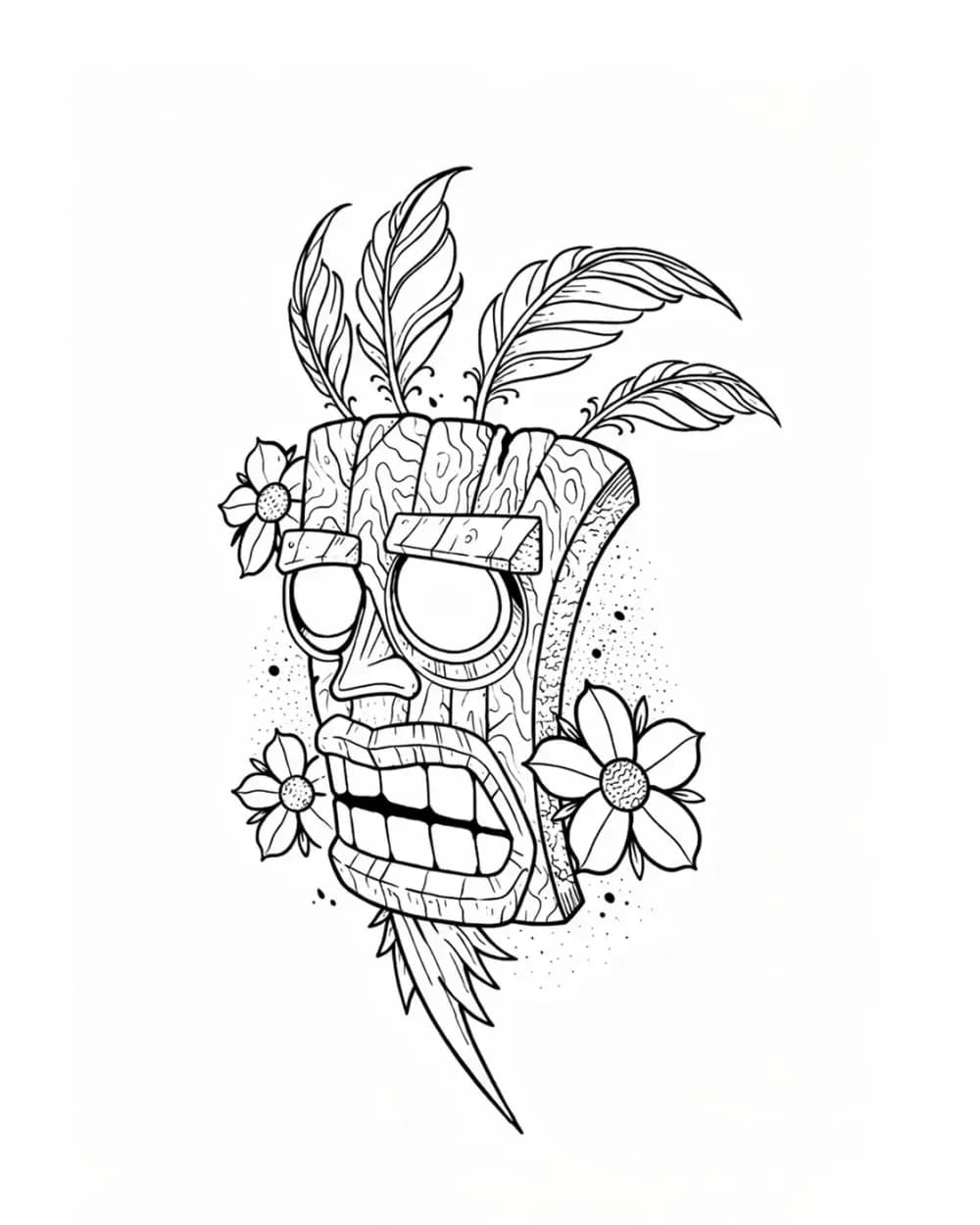
Carved mask
Broad collections
Start here when you know the broader visual family but have not narrowed the piece to one specific motif.
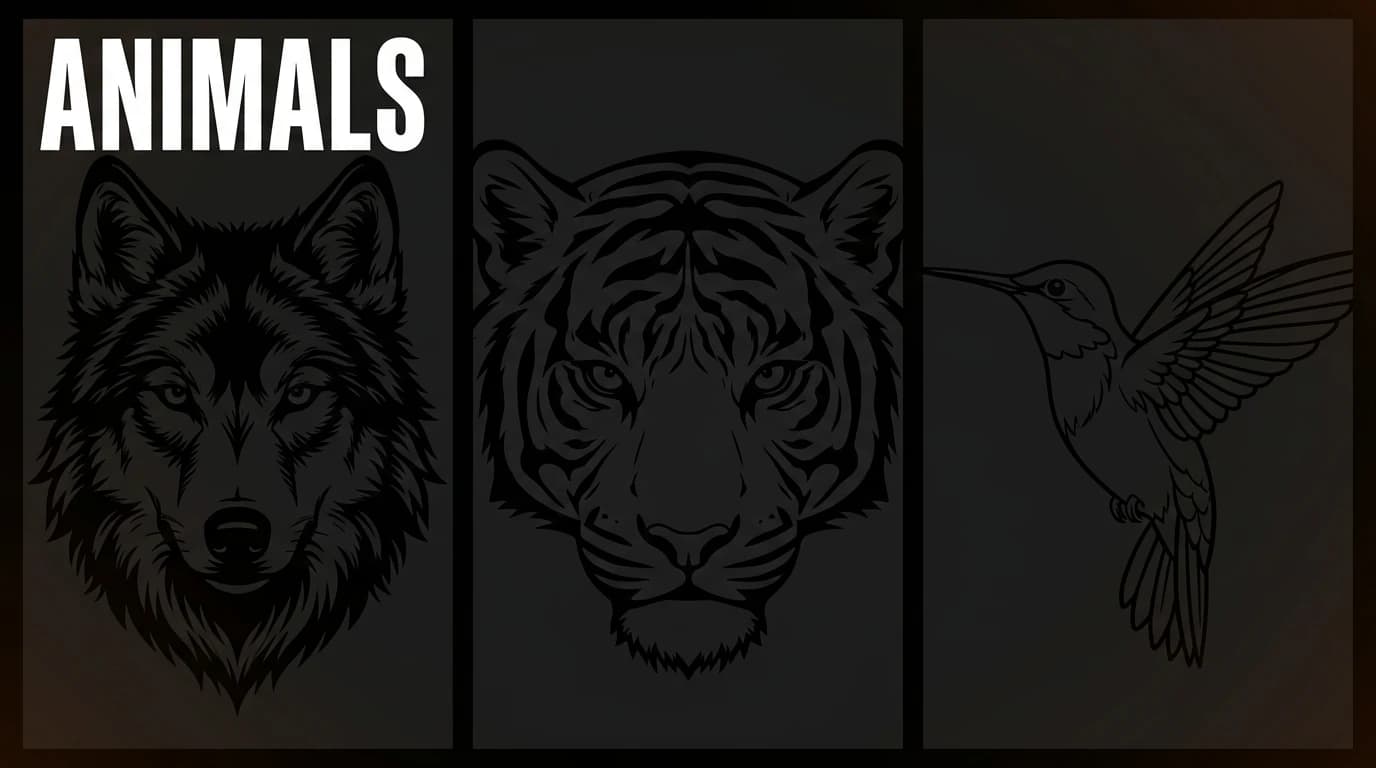
Compare 12 curated animal tattoo stencil examples across wildlife, pets, birds, and sea life. Start with the animal silhouette and recognition landmarks, then compare ho…
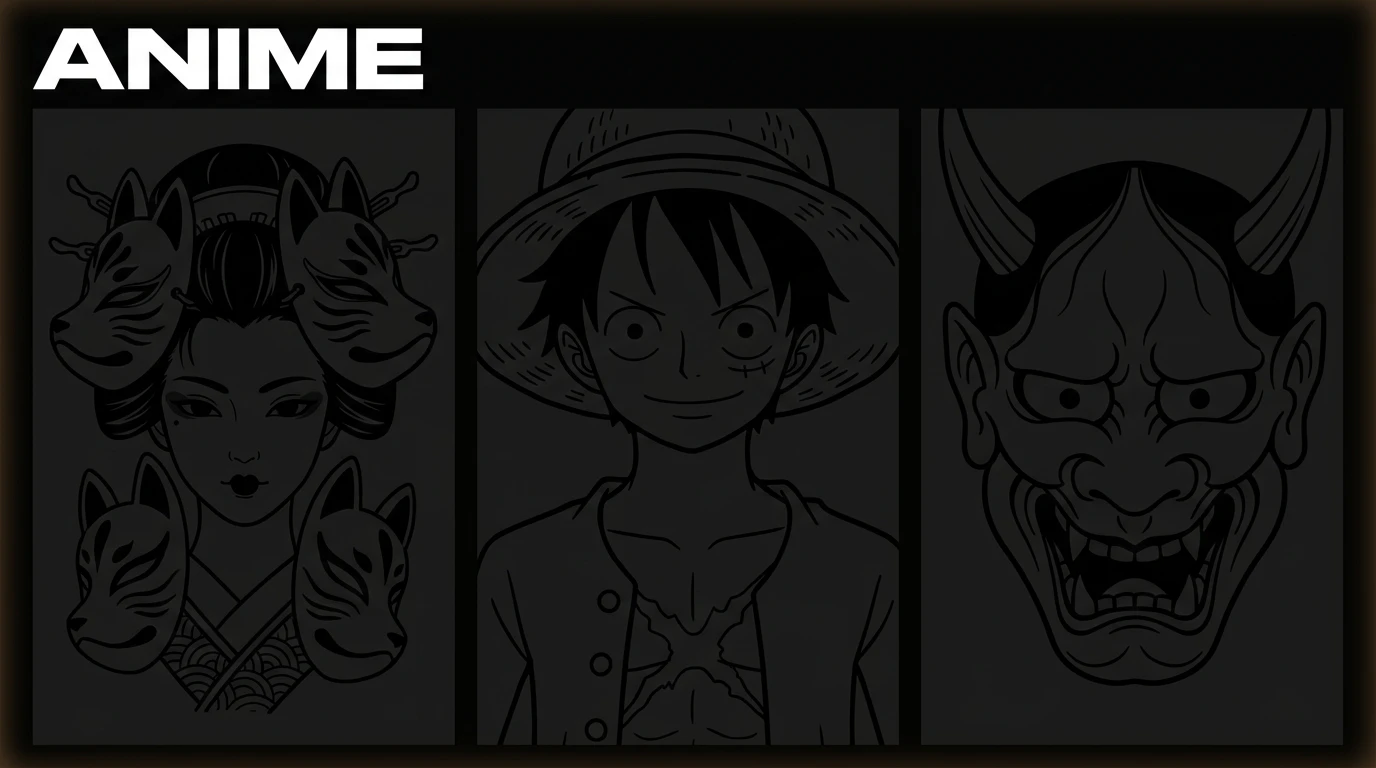
Compare five curated anime tattoo stencil directions built around character readability, masks, graphic silhouettes, and controlled interior detail. Use the gallery to s…
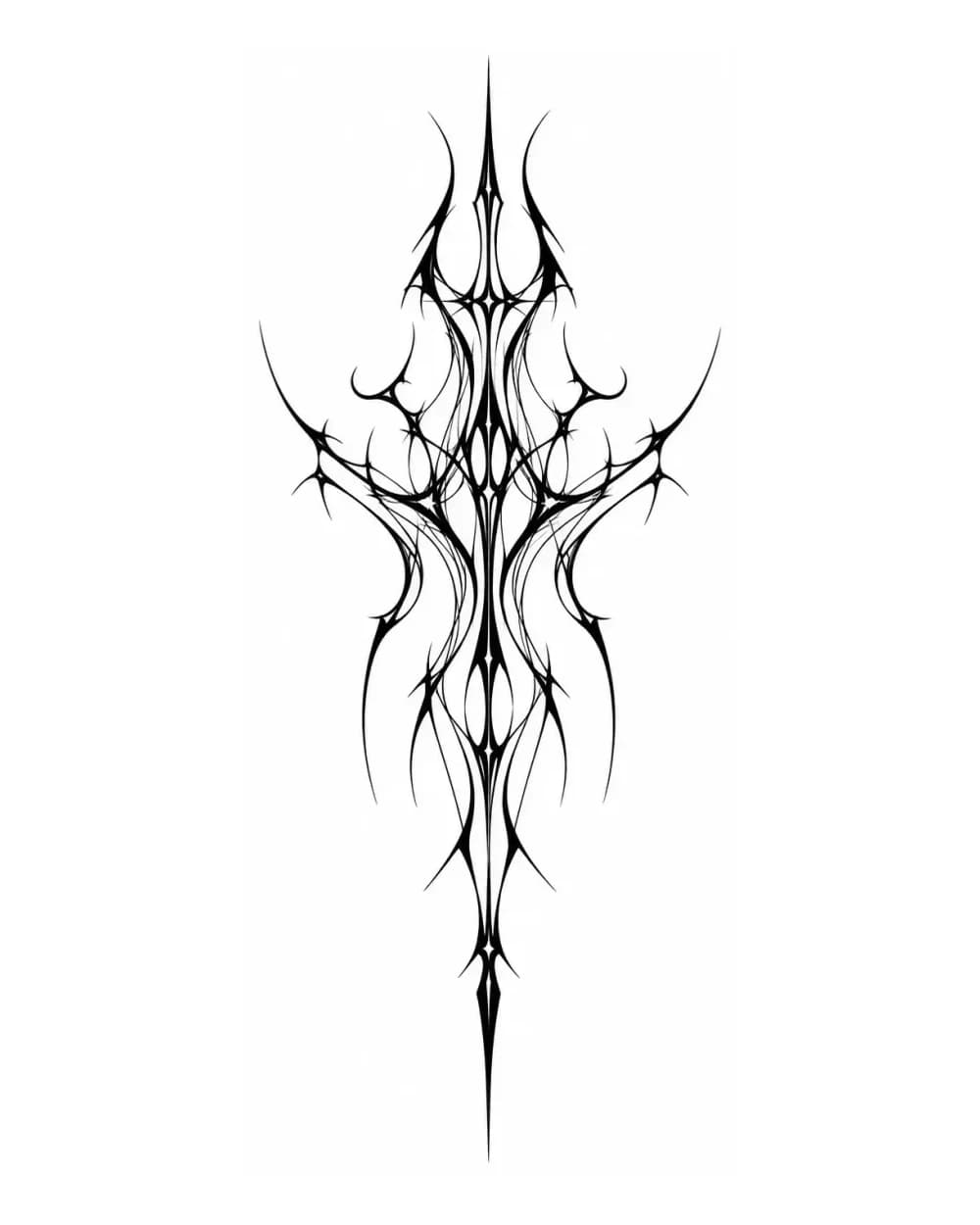
Compare ten curated Cybersigilism stencil references built around abstract blackwork structure rather than literal objects or traditional tribal motifs. Use the set to j…
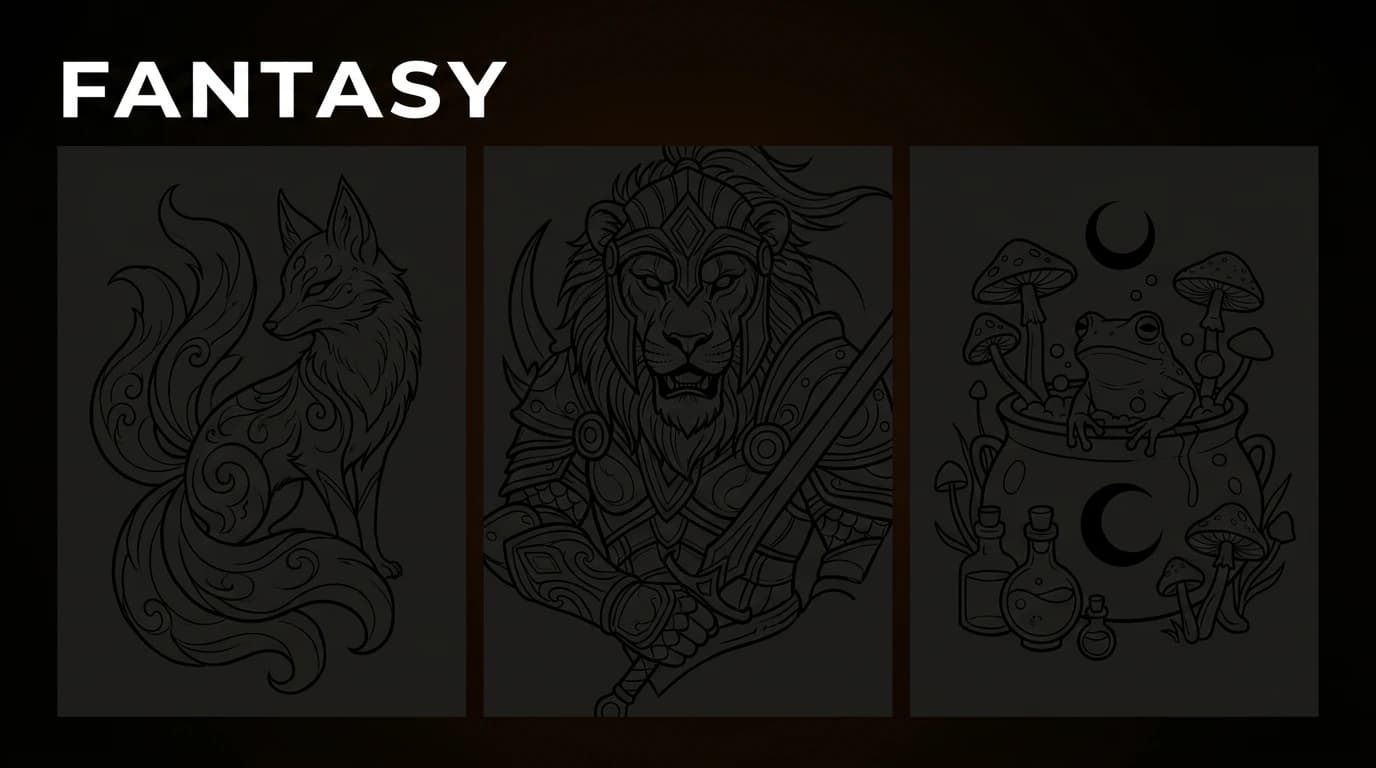
Fantasy subjects only stay useful as stencil references when the main idea lands before the ornament does. This set is stronger now because it can compare fox spirits, d…

This floral stencil page is an early but useful reference set for artists who care about flow, spacing, and botanical rhythm more than raw volume. Even with a small inve…
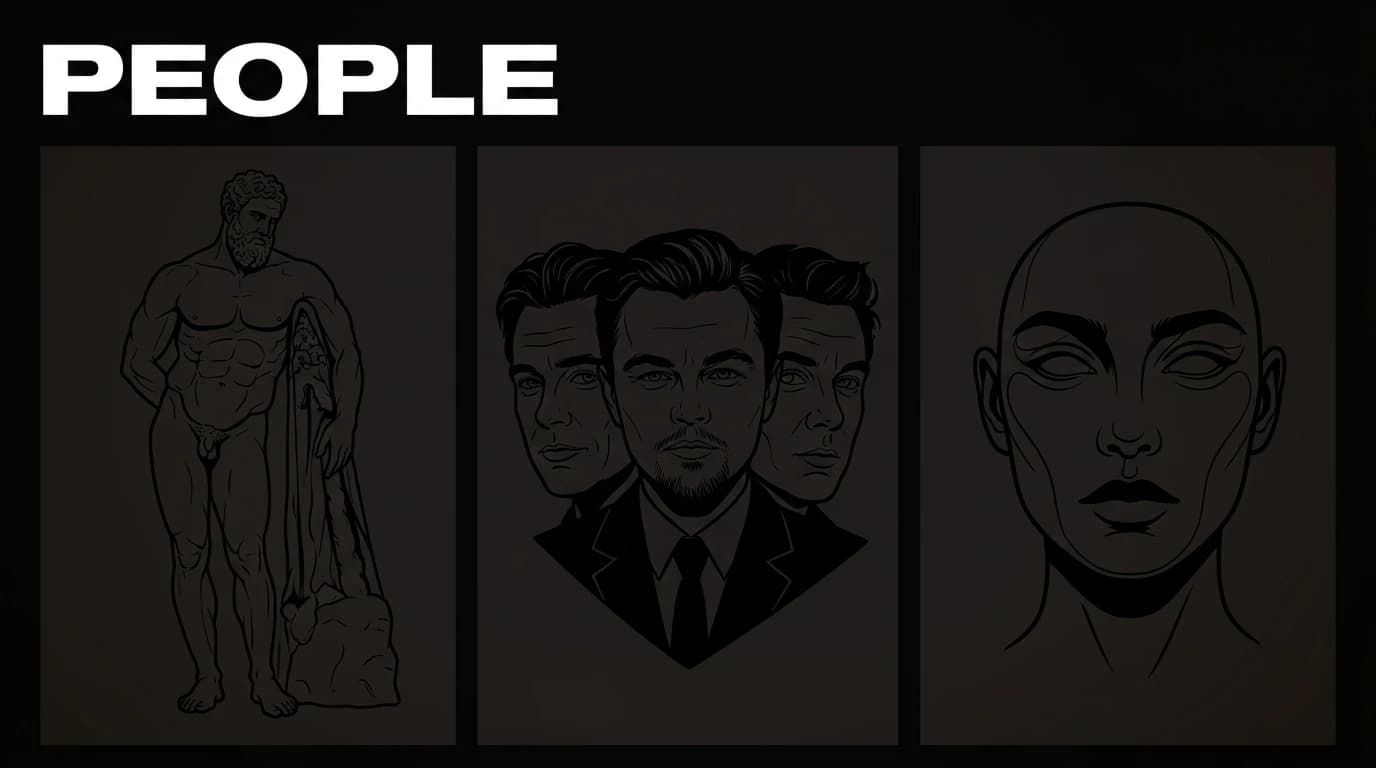
Compare first-party portrait, face, and figure tattoo stencil examples to see which recognition anchors, expression cues, body shapes, and detail clusters need to surviv…
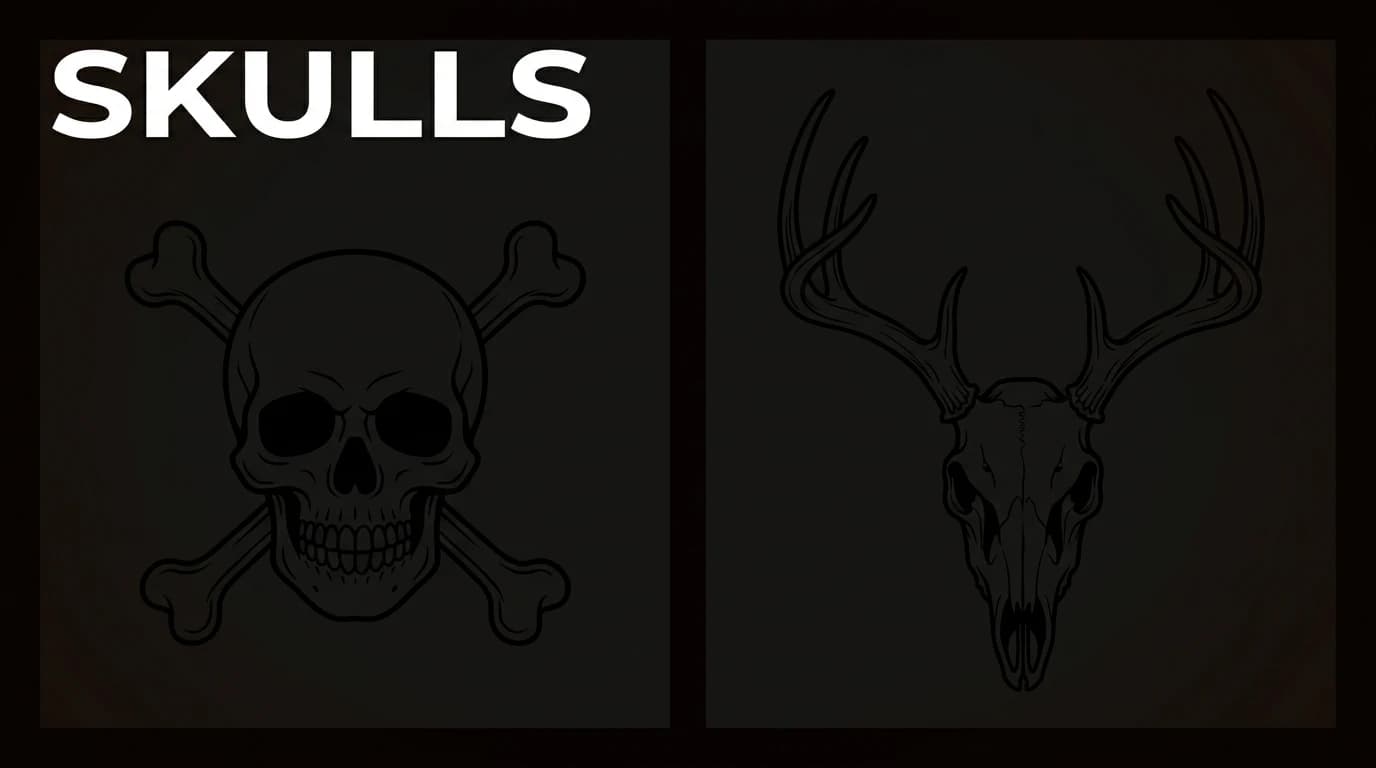
Curated skull stencil references for tattoo preparation, selected to compare silhouette, angle, negative space, tooth and cavity detail, and how supporting elements comp…
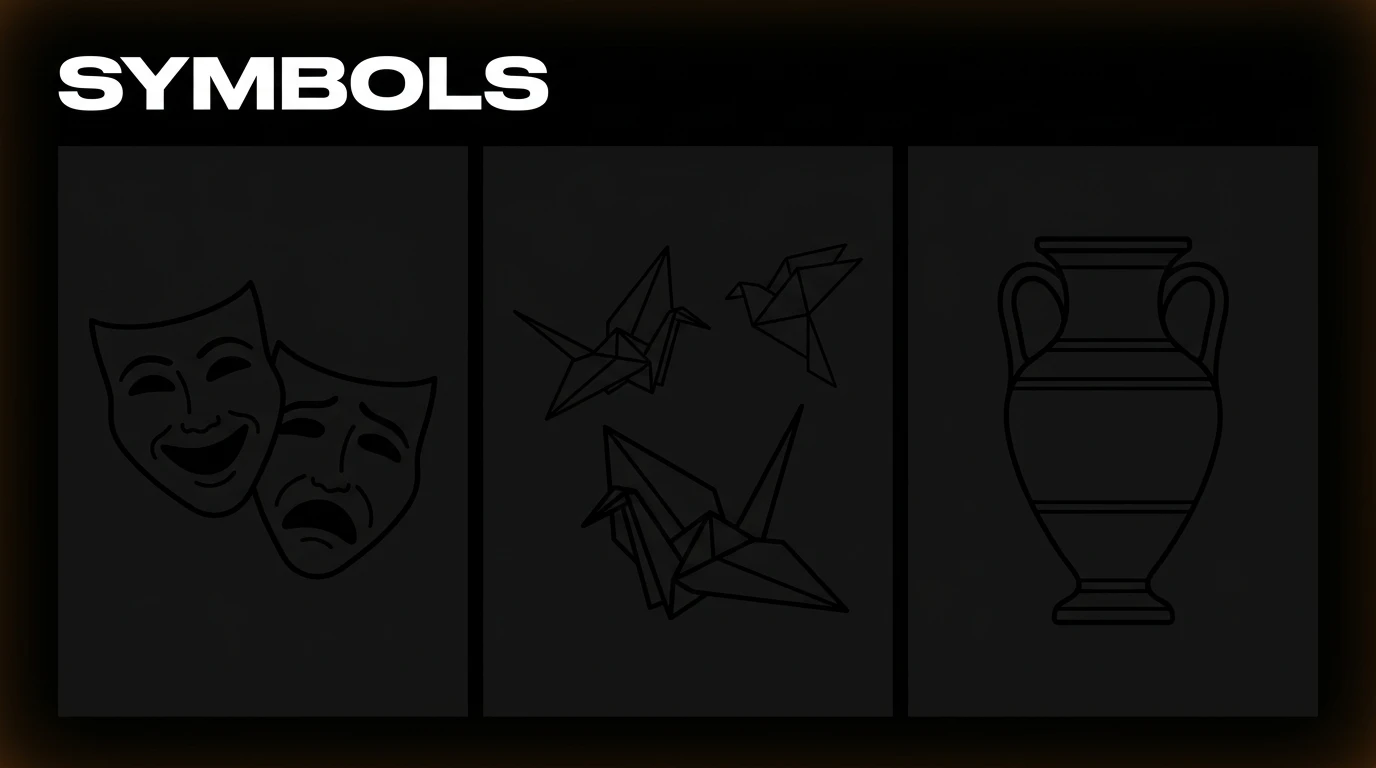
Compare compact tattoo symbol stencils to see which silhouettes, internal gaps, repeated details, and orientation cues stay readable before adapting your own reference.…
Focused subjects
One motif, several reviewed examples, and practical notes on what stays readable as the composition and detail change.
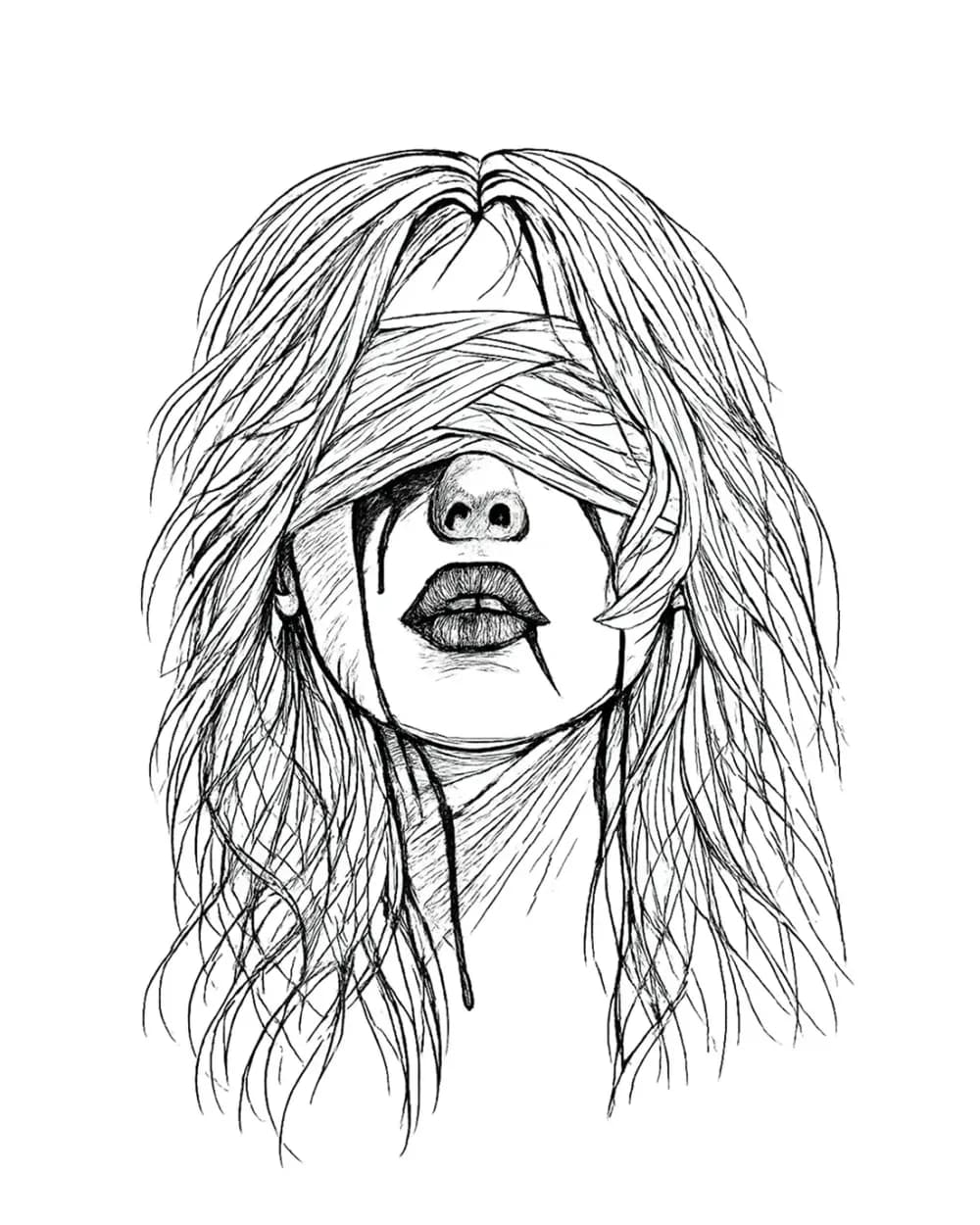
This collection compares woman portraits across realistic, illustrative, floral, theatrical, symbolic, and hybrid directions. The examples include direct frontal studies…
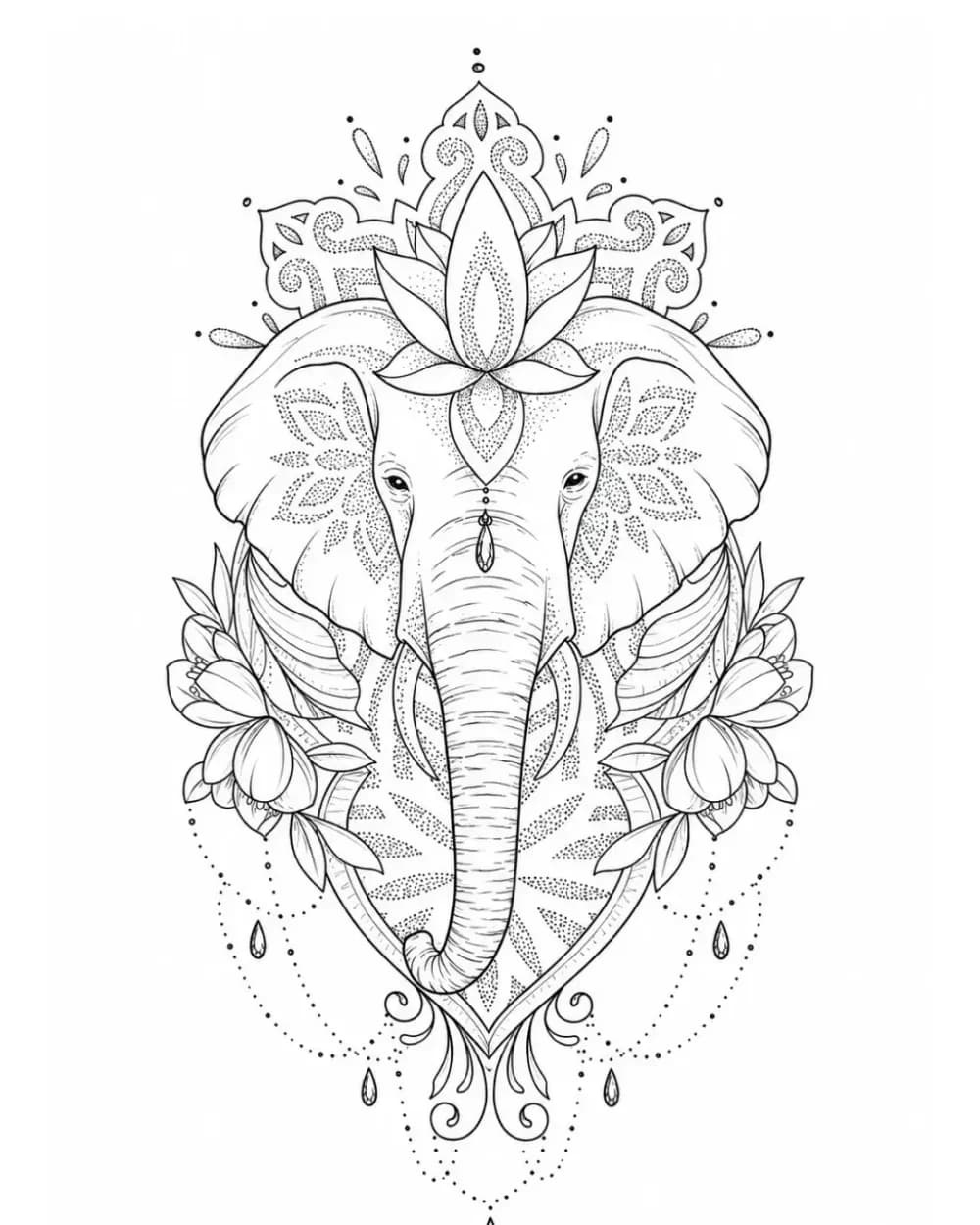
These elephant references compare ornamental symmetry, floral framing, geometric contrast, full-body patterning, a simplified calf, a conceptual puzzle-piece portrait, a…
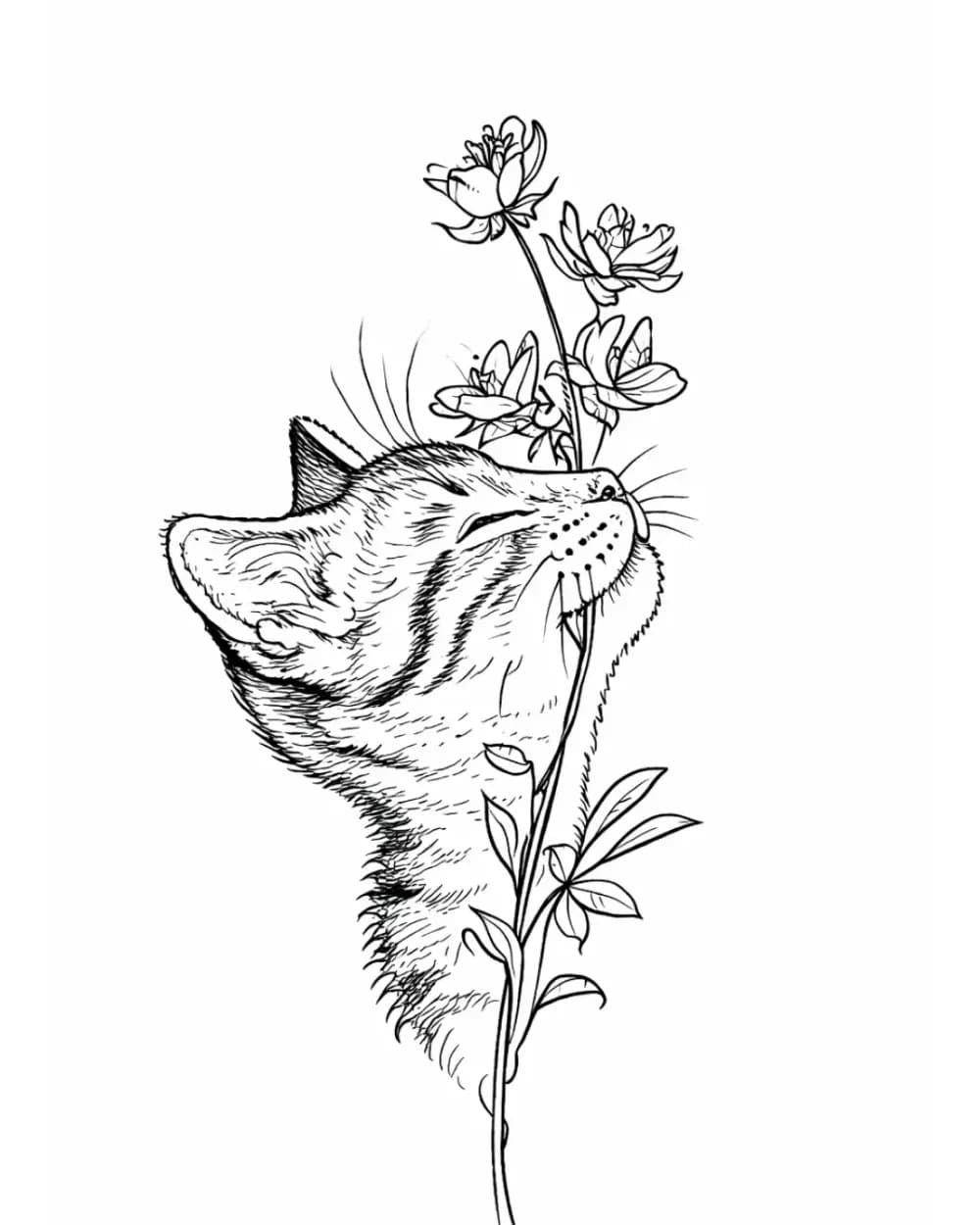
This collection compares cat references built around different recognition cues: a profile, a peeking portrait, repeated cat silhouettes, floral framing, an ornamental m…
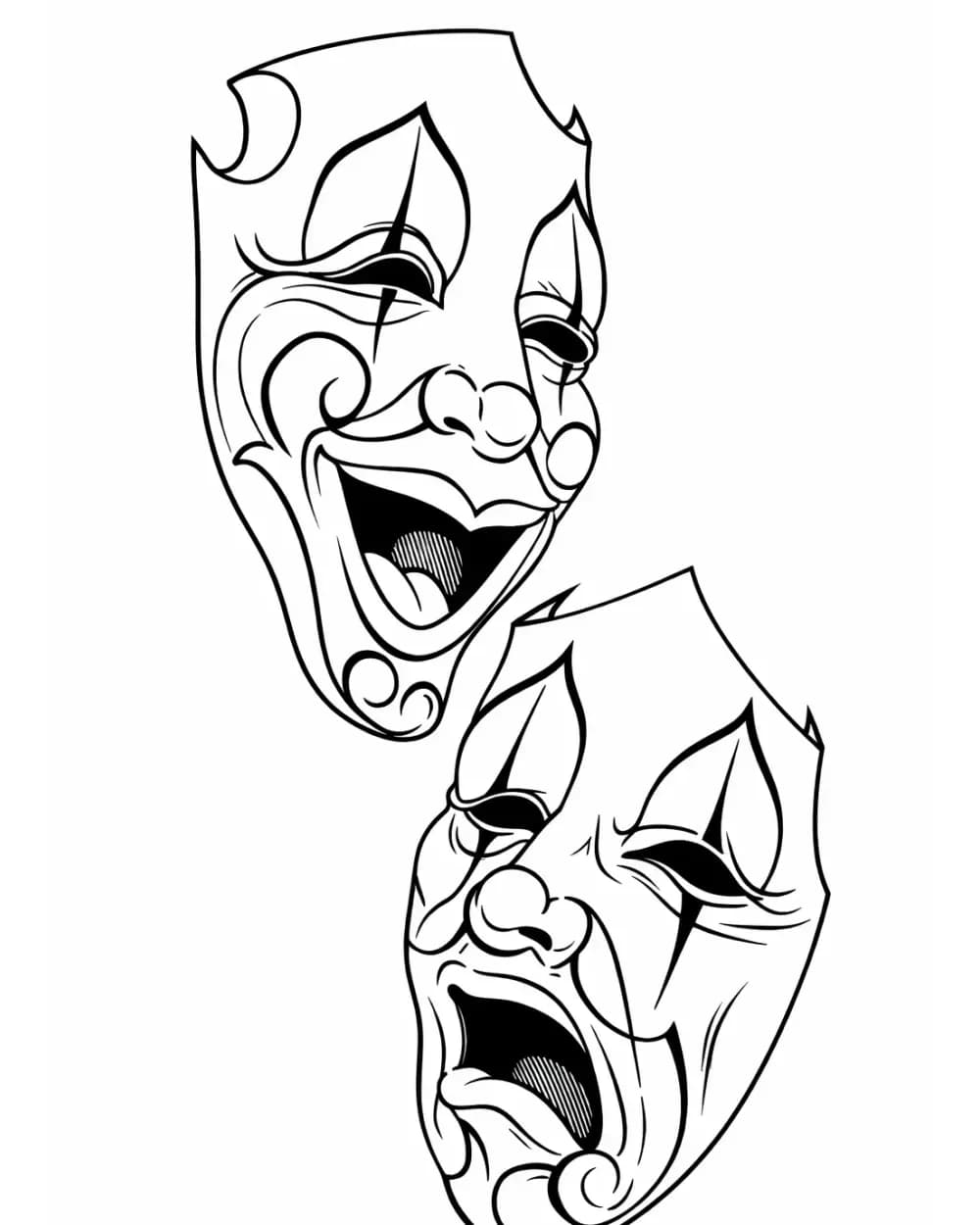
This collection focuses on comedy and tragedy mask designs, including classical theater forms, clown variations, ribbon framing, rough expressive linework, and a flame-b…
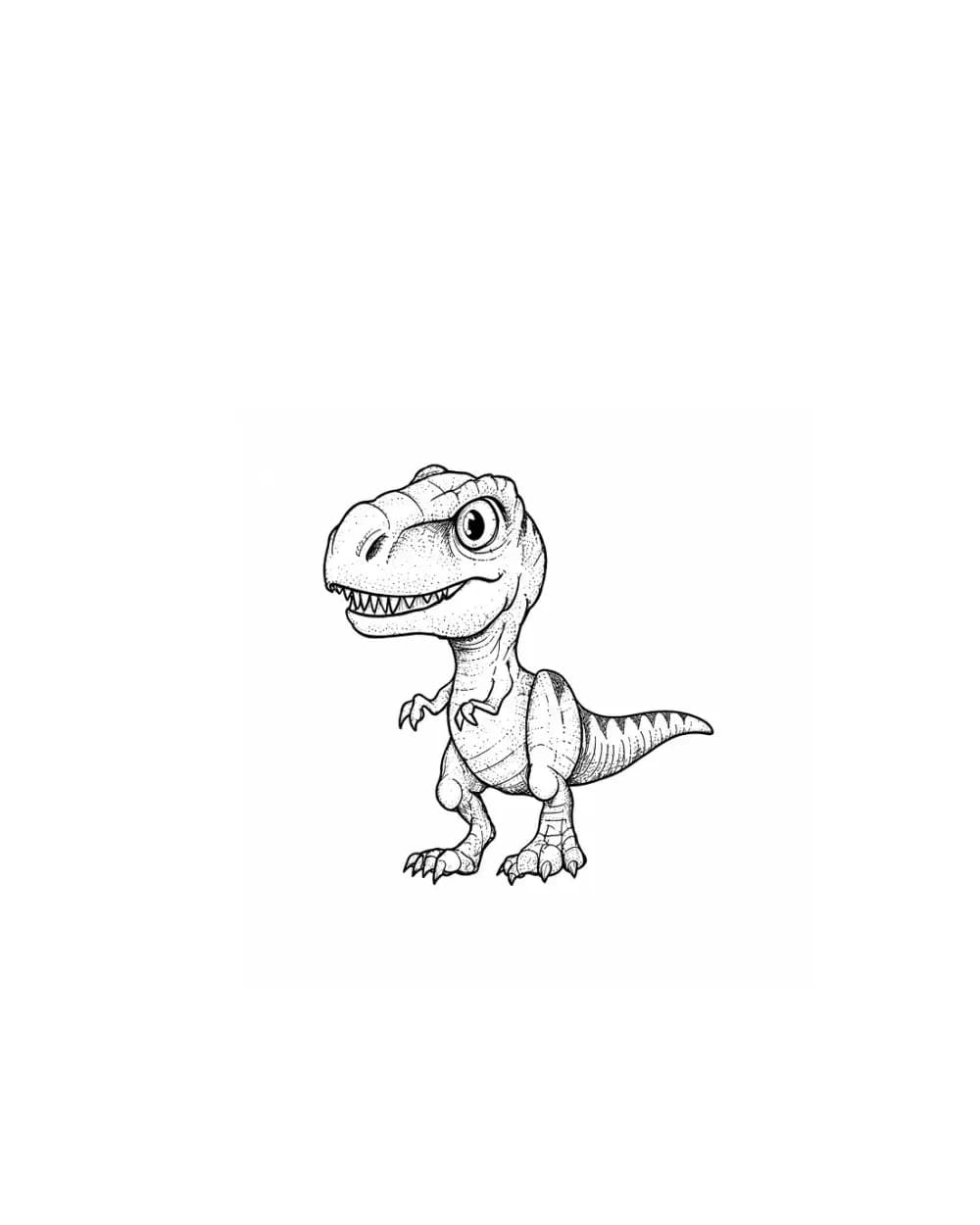
This dinosaur collection compares recognizable species shapes with playful character treatments. It includes two T-Rex directions, a long-neck skateboarder, a winged lon…
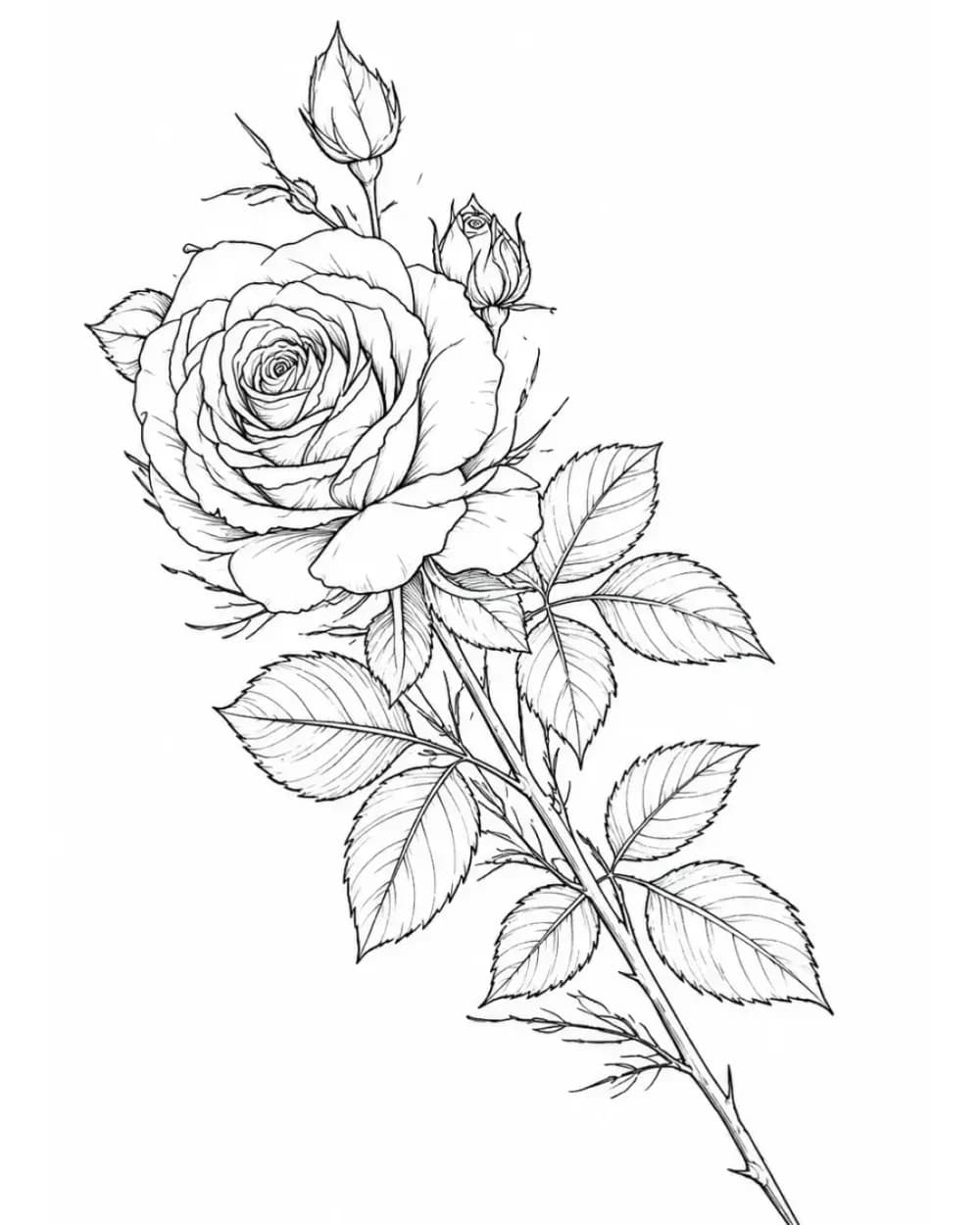
This collection compares six rose stencil directions: a standalone long-stem rose, roses framing a tiger, roses contained inside a cat silhouette, a butterfly-and-rose c…
Practical guides
Use these guides for the next practical checks: source quality, line readability, and tonal guidance.
Choose, crop, simplify, and review a photo so the resulting tattoo stencil stays readable at placement size, including blurry and low-resolution references.
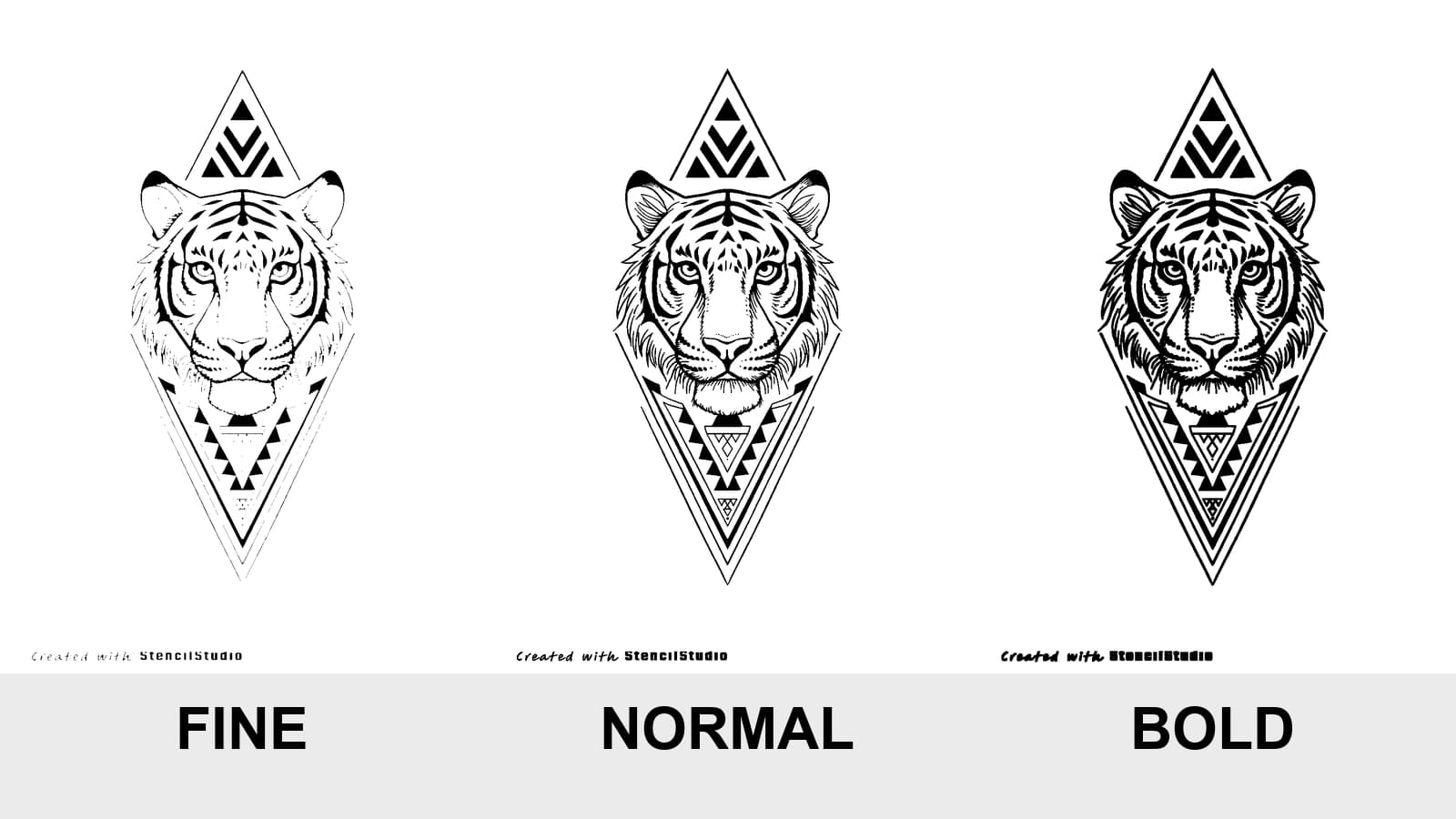
Compare Fine, Normal, and Bold on the same tattoo stencil, see where lines disappear or merge, and test the result at the size you will actually print.
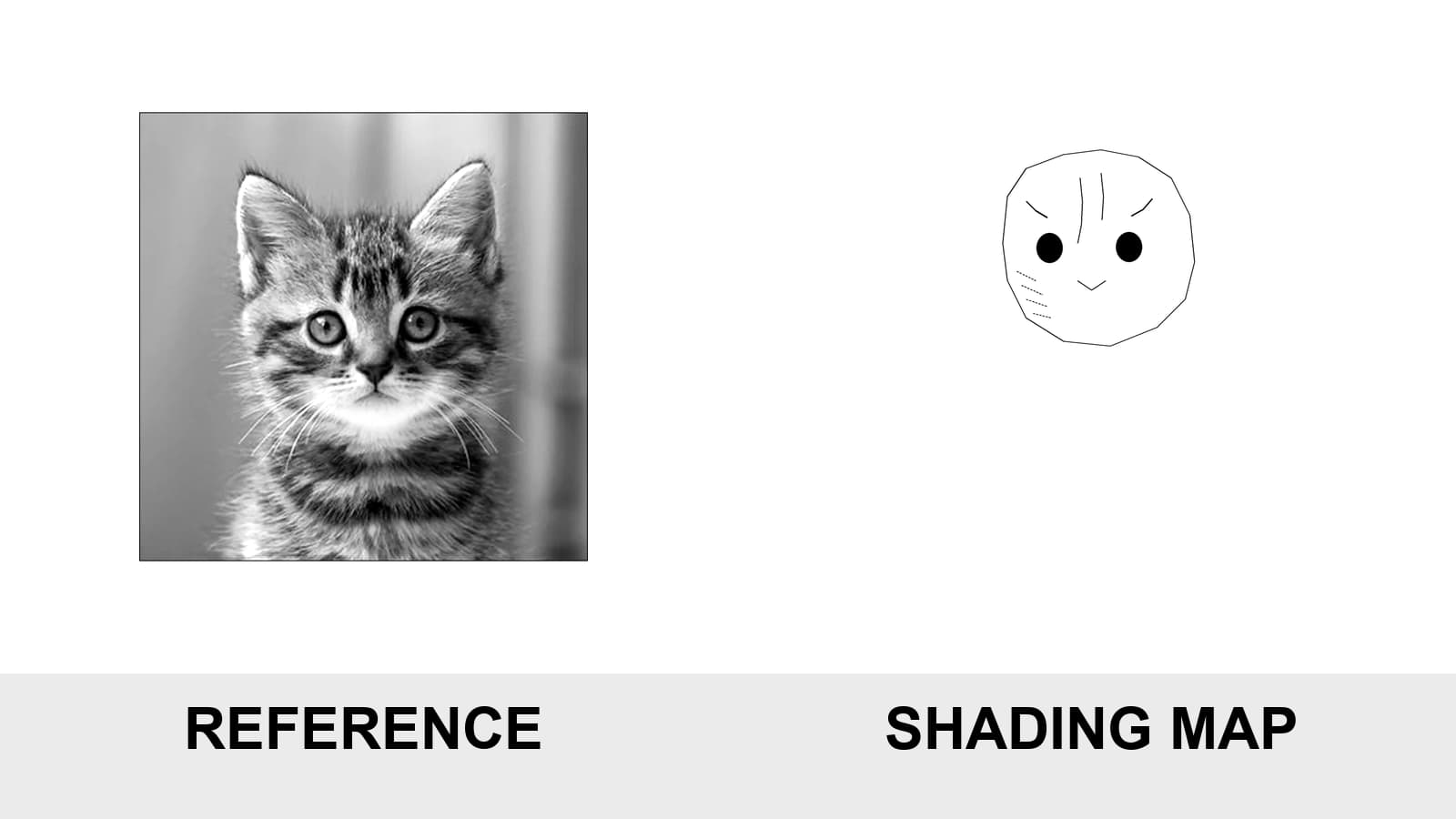
Learn which shadow landmarks belong in a tattoo stencil, how to map hard edges and soft fades, and how to avoid transfers that are either empty or overloaded.
Already have the reference?
Move from browsing to the image you actually plan to use once the subject and visual direction are decided.
Prepare a photo or referenceReady to size the finished stencil?
Use the print-size tool when the artwork is ready and the next job is physical dimensions and true-size output.
Set final stencil sizeCreate your own
Use the gallery to choose a direction and understand what reads clearly, then start from the reference you actually plan to use.