
Dog Tattoo Stencil Ideas
These dog stencil references compare breed-specific portraits, a minimal facial crop, and more playful character treatments. The examples include a boxer portrait, a clo…
- 5
- Practical
- Artist-first
These dog stencil references compare breed-specific portraits, a minimal facial crop, and more playful character treatments. The examples include a boxer portrait, a close-up snout, a caped dog, a mushroom-hat composition, and a French bulldog with butterflies. The goal is to show which structural details keep different dogs recognizable before secondary texture and accessories are added.
Breed Landmarks Matter More Than Generic Fur
A boxer and a French bulldog should not be reduced with the same facial shorthand. Breed recognition often depends on the relationship between ears, forehead, muzzle, nose, cheeks, and neck. The stencil should secure those large proportions before adding fur or decorative texture.
Minimal References and Character Concepts
The dog-snout crop shows how little information may be required when the shape is distinctive. The cape, mushroom, and butterfly examples add personality, but the accessories must remain secondary to the animal’s head, expression, and posture.
Common Scale and Spacing Problems
Small jowl folds, nose texture, whisker dots, butterfly wings, costume seams, and fur hatching can merge when the design is reduced. Group fur into readable directional masses instead of tracing every hair.
Choosing an Example for the Placement
Simpler crops work well where space is limited. Portraits with costumes or supporting elements need more room around the head so the accessories do not compete with the face. Use these references to compare silhouette, breed proportions, and line density.
Continue Through the Broader Workflow
These are curated dog stencil examples for visual comparison, not a separate dog-photo generator or a matched likeness study. See more species and treatments in the animal tattoo stencil collection. If you are starting from a photo of a specific dog and need to protect breed landmarks, gaze, muzzle geometry, coat direction, and final-size readability, use the pet portrait tattoo stencil workflow. When the reference is ready, you can generate one stencil online.
Examples
Dog stencil examples
Compare the linework, spacing and detail choices that make each stencil read differently.
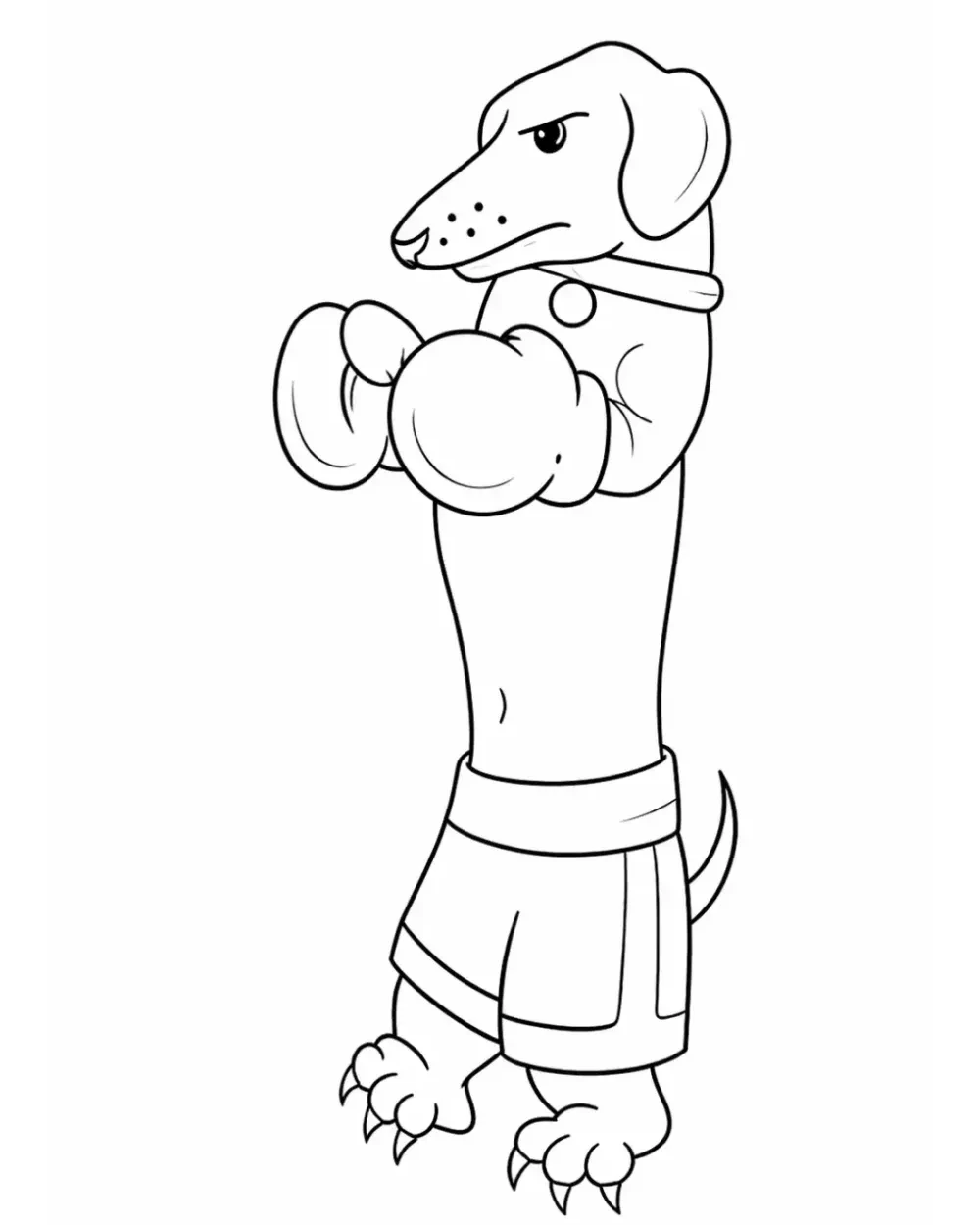
A breed-led dog portrait where forehead width, eye spacing, muzzle depth, nose shape, and cheek structure carry recognition before coat texture.
Explore more animal tattoo stencil gallery stencils
- The portrait keeps a boxer-specific read because the broad muzzle, nose placement, eye relationship, and head proportions remain clear before smaller facial folds are considered.
- Artists comparing pet or breed portraits where likeness depends on a compact set of facial proportions rather than generic fur detail.
- Wrinkles, whisker dots, and short-coat texture can easily become equal-weight noise; keep the eyes, nose, muzzle edge, and head silhouette dominant.
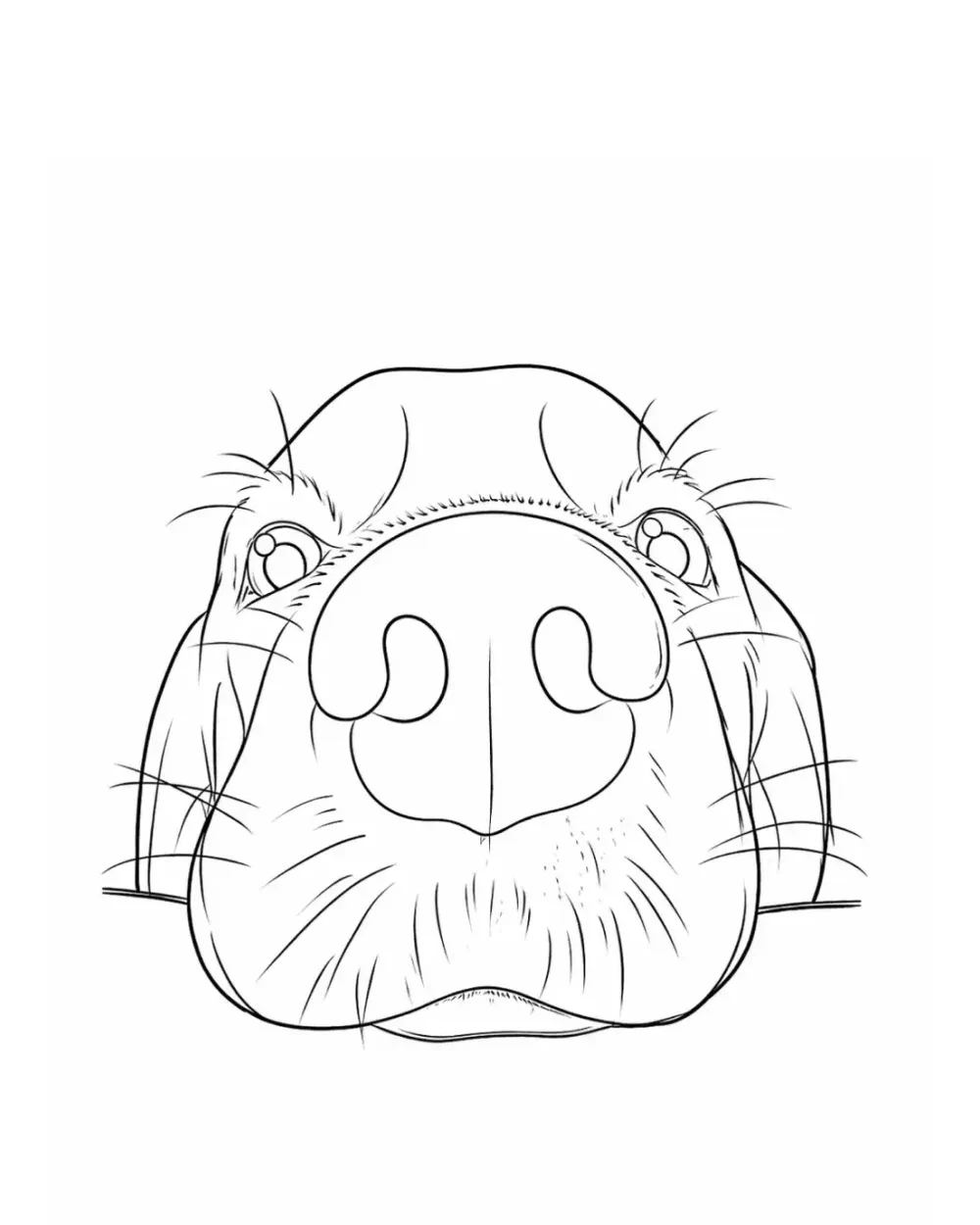
A minimal crop showing how nose shape, muzzle edge, mouth line, and a few directional marks can carry the entire dog read.
Explore more animal tattoo stencil gallery stencils
- The reference is useful because it proves that a recognizable canine crop can rely on only a handful of high-value landmarks when the silhouette is distinctive.
- Small or minimalist dog concepts where a close crop must stay readable without a full portrait or dense fur rendering.
- Because the line budget is sparse, every contour matters; avoid adding texture that weakens the nose, mouth, or muzzle boundary.
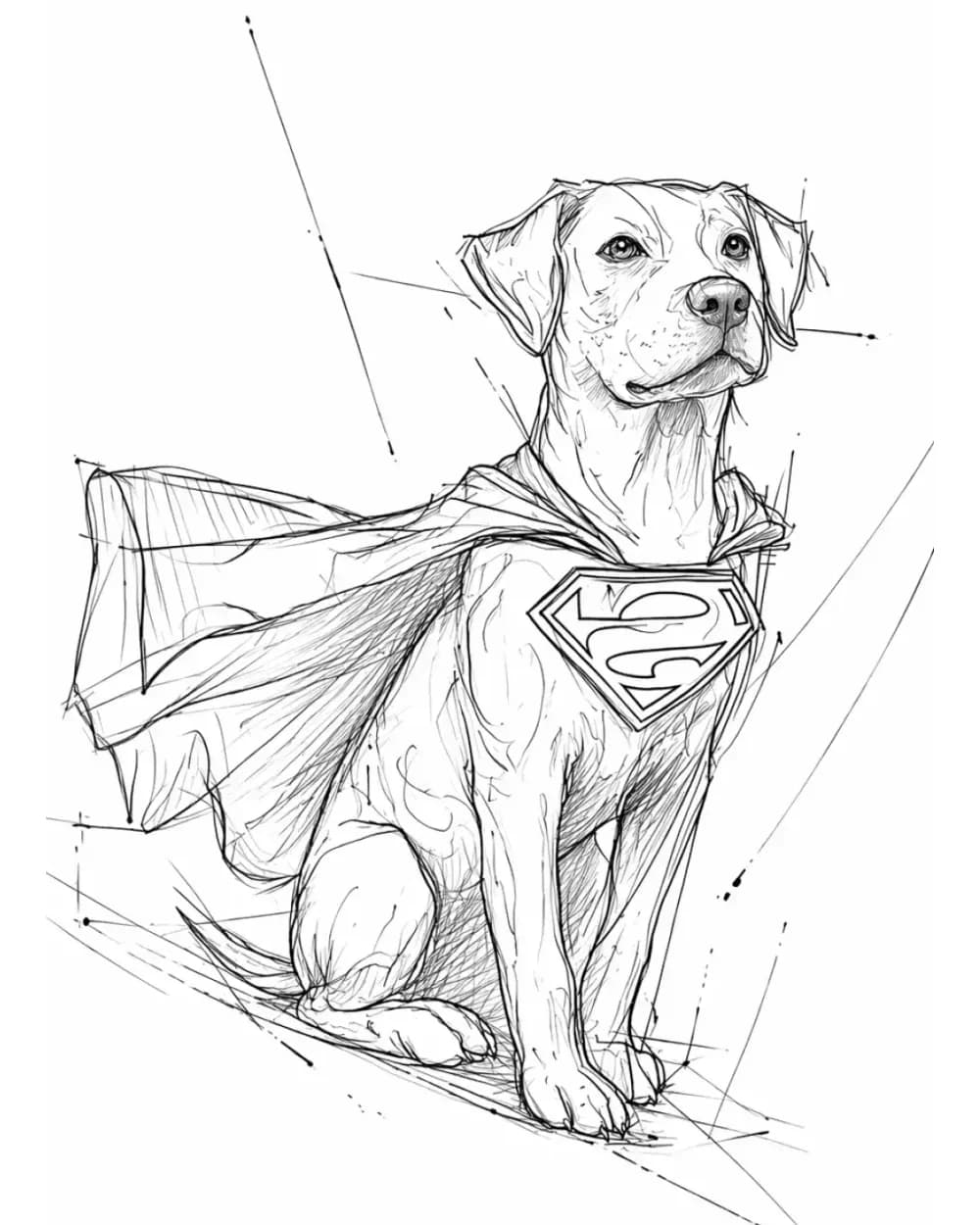
A character-led dog stencil where the cape adds narrative without replacing the head shape, expression, and body posture that identify the animal.
Explore more animal tattoo stencil gallery stencils
- The costume remains support because the dog silhouette and face still establish the subject before the cape and character styling are read.
- Playful pet or flash concepts that add costume elements while keeping the animal itself as the primary stencil read.
- Cape folds and costume seams can compete with the neck, chest, and leg contours; preserve the dog outline before retaining secondary fabric detail.
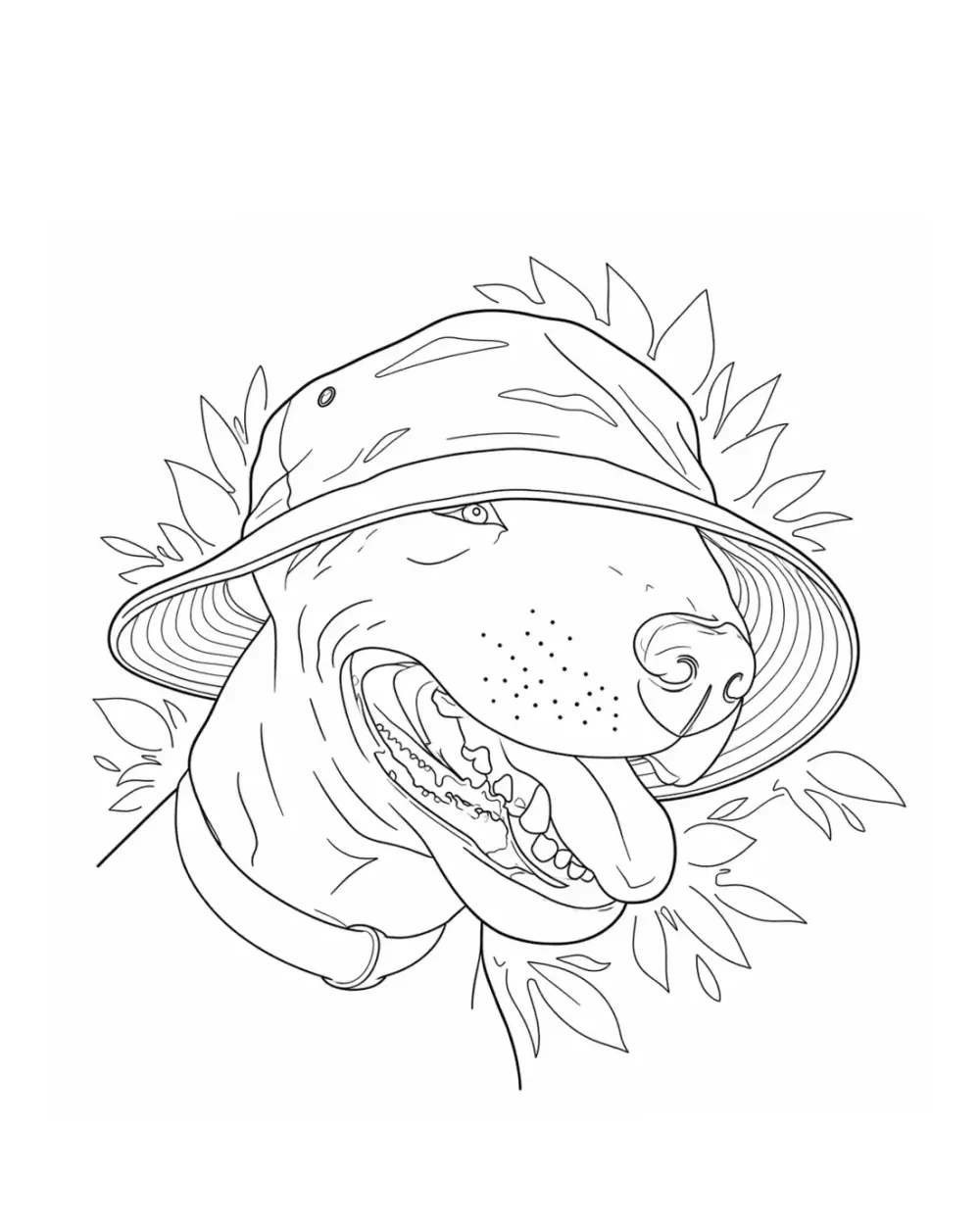
A surreal dog portrait where the mushroom creates a large secondary silhouette but the eyes, muzzle, nose, and head width still need to lead recognition.
Explore more animal tattoo stencil gallery stencils
- The concept stays readable when the mushroom behaves like framing above the head rather than obscuring the facial landmarks that identify the dog.
- Whimsical pet or animal portraits that combine one strong prop with a face-first stencil structure.
- Gills, cap texture, fur, and facial marks can create too many small lines in the same area; keep the prop detail lighter than the eyes, nose, and muzzle.
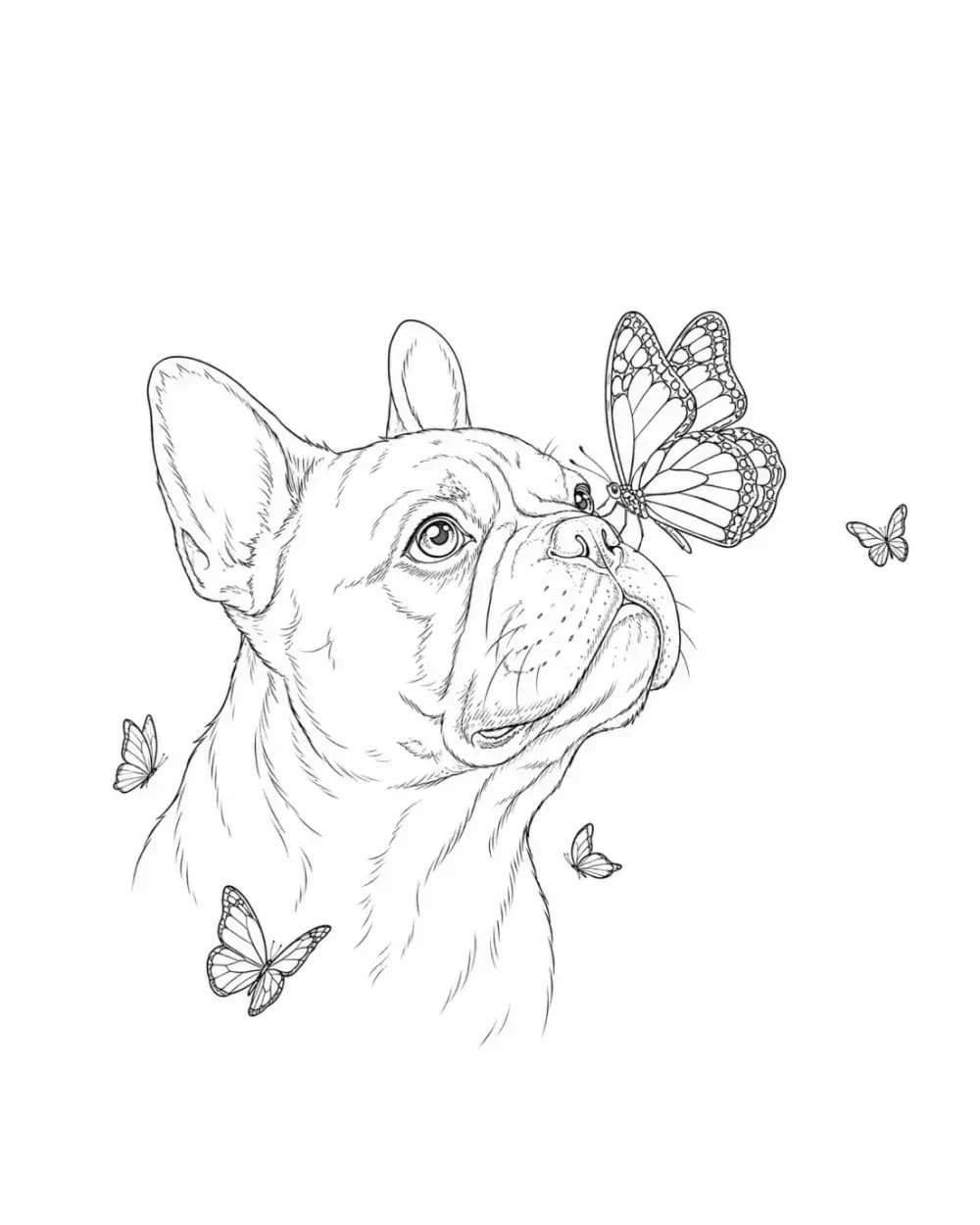
A breed-specific French bulldog stencil where upright ears, short muzzle, broad head, and facial centerline stay primary while butterflies act as surrounding accents.
Explore more animal tattoo stencil gallery stencils
- The dog remains immediately identifiable because the ear set, forehead, eye placement, compact muzzle, and nose establish the breed before the butterflies enter the read.
- Medium pet portraits that combine breed-specific facial structure with light decorative support around the head.
- Butterfly wings, facial folds, and short fur marks can crowd the same visual zone; keep decorative contours separated from the ears and cheeks and protect the muzzle hierarchy.
Related galleries
Keep browsing nearby stencil ideas.
Next step
Turn your own reference into a clean stencil draft.
Use what reads clearly here as direction, then start from your own reference.