
Stencil Gallery

Animal Tattoo Stencil Gallery

Compare 12 curated animal tattoo stencil examples across wildlife, pets, birds, and sea life. Start with the animal silhouette and recognition landmarks, then compare how flowers, props, texture, and secondary subjects affect readability at stencil stage.

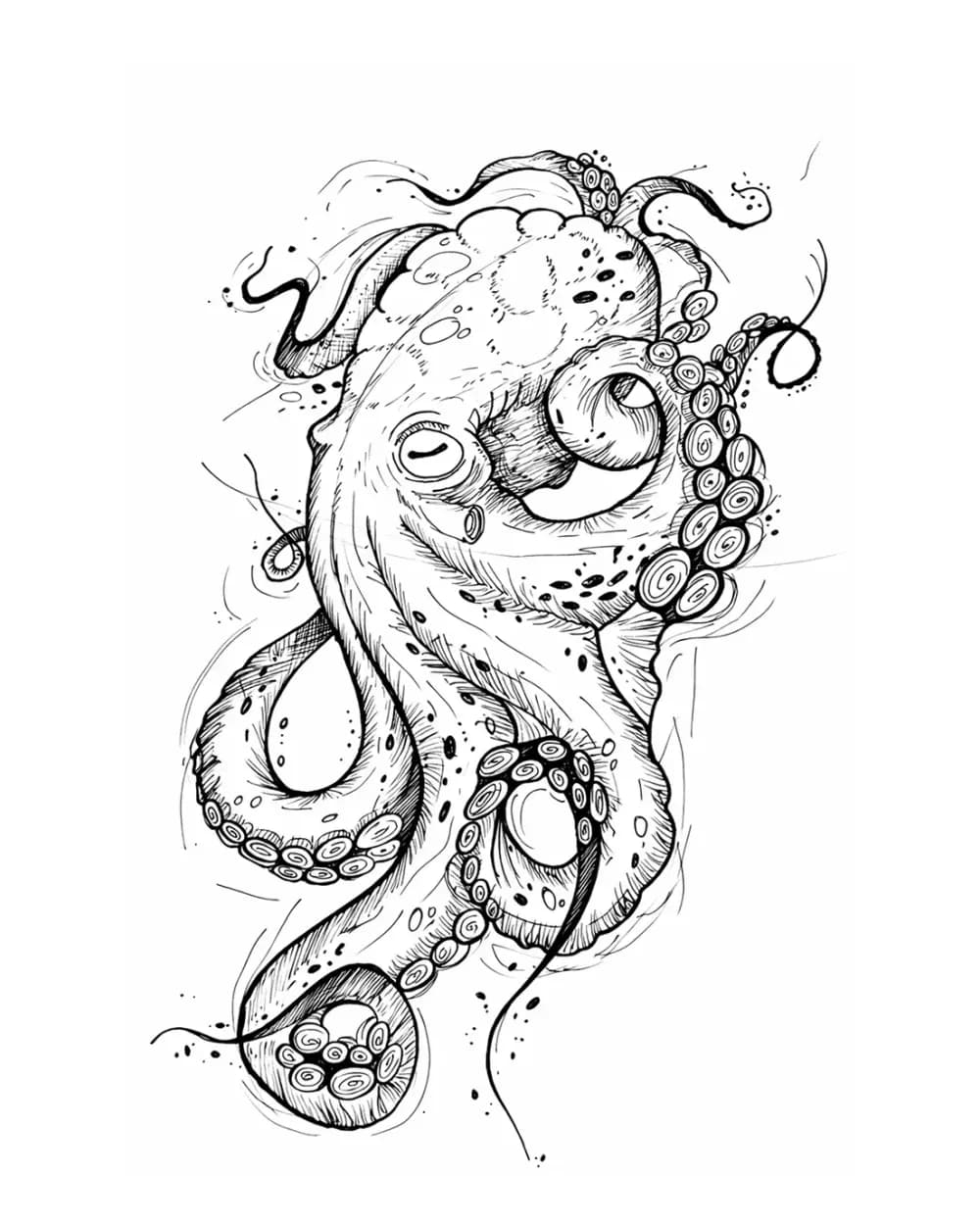
Octopus tattoo stencil with a vertical tentacle-led composition
12
Visual
Practical

Examples

Browse the stencils.

Scan the images first. Open the notes when you want to see why a composition stays readable or where detail gets risky.

Octopus tattoo stencil with a vertical tentacle-led composition

An octopus stencil where the body and main tentacle paths stay readable before suction-cup and overlap detail.

The tentacles create movement without hiding the octopus as the dominant read, so the subject stays clear before texture becomes important.
Artists comparing flowing animal compositions where one silhouette has to stay readable through several controlled overlaps.
Dense tentacle crossings and small inner curves need enough separation to avoid turning into one dark knot at reduced size.
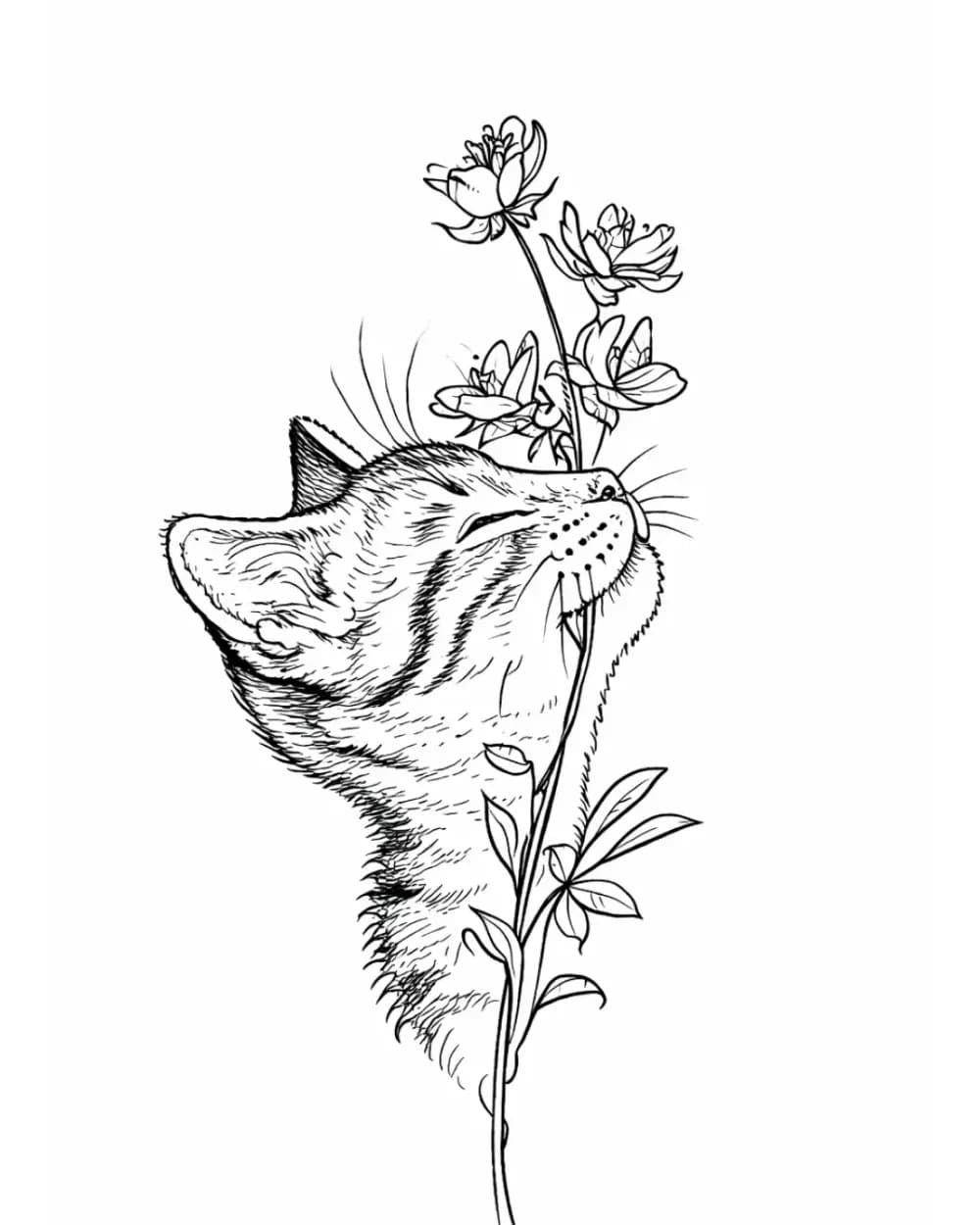
Cat tattoo stencil showing a side-profile head beside a flower stem

A profile-led cat stencil where ear angle, forehead, nose, muzzle, and neck contour carry recognition before the flower detail.

The profile stays readable because the outer head contour and facial direction are established before the botanical support enters the composition.
Artists comparing compact side-profile cat references where a small decorative element should remain secondary to the head shape.
Keep the flower stem and fine facial marks lighter than the nose, muzzle, ear, and neck transitions so the profile does not lose hierarchy at smaller sizes.
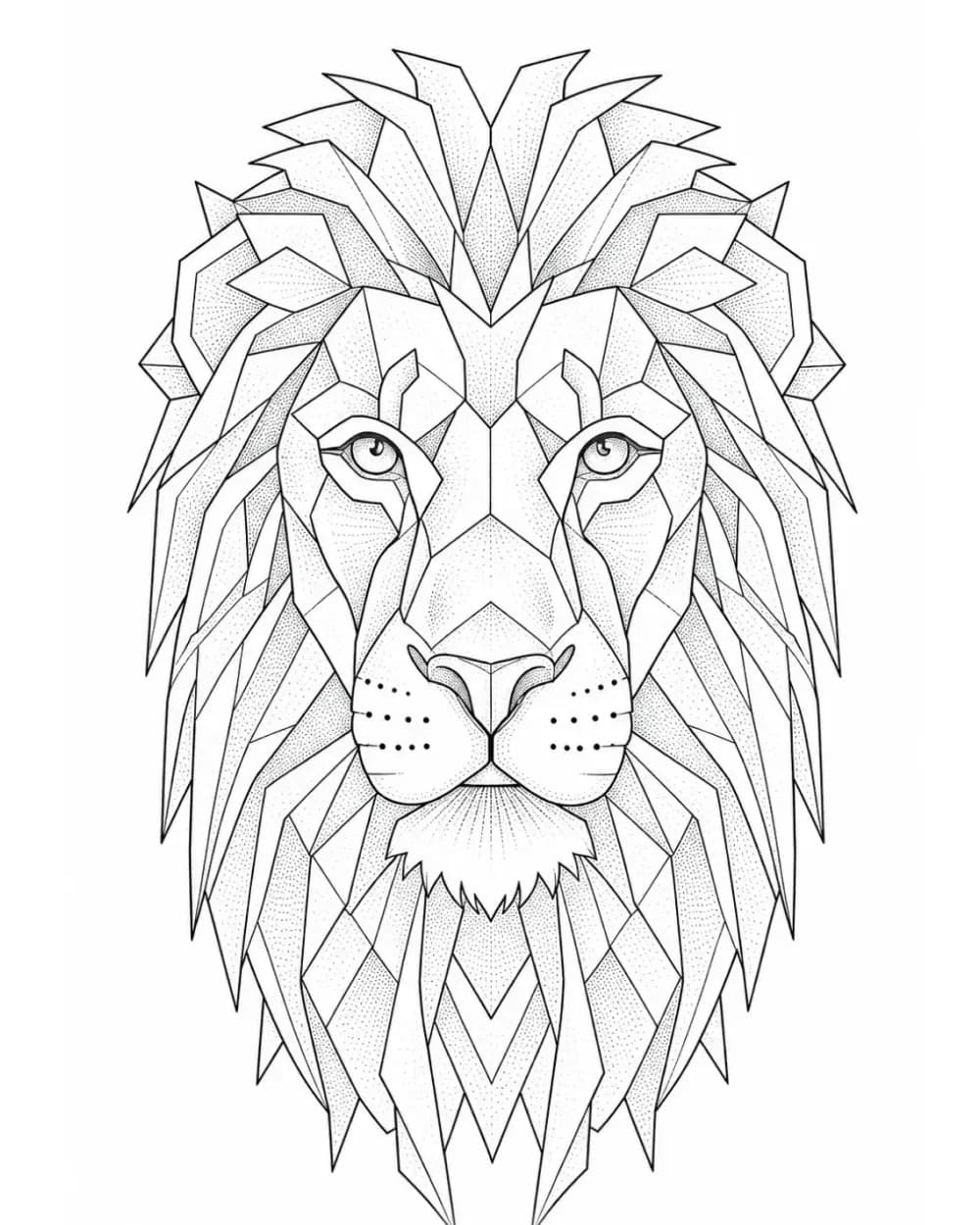
Geometric lion head tattoo stencil built from faceted triangular planes

A frontal geometric lion where the mane silhouette, eye line, muzzle, and nose remain readable underneath the faceted construction.

The geometric treatment succeeds because the lion face is established by a stable frontal structure before the triangular facets become the second read.
Artists comparing graphic lion designs that need symmetrical structure without losing face-first animal recognition.
Small facets around the eyes, muzzle, and mane can collapse into texture when reduced; preserve the main facial planes and outer mane before minor internal geometry.
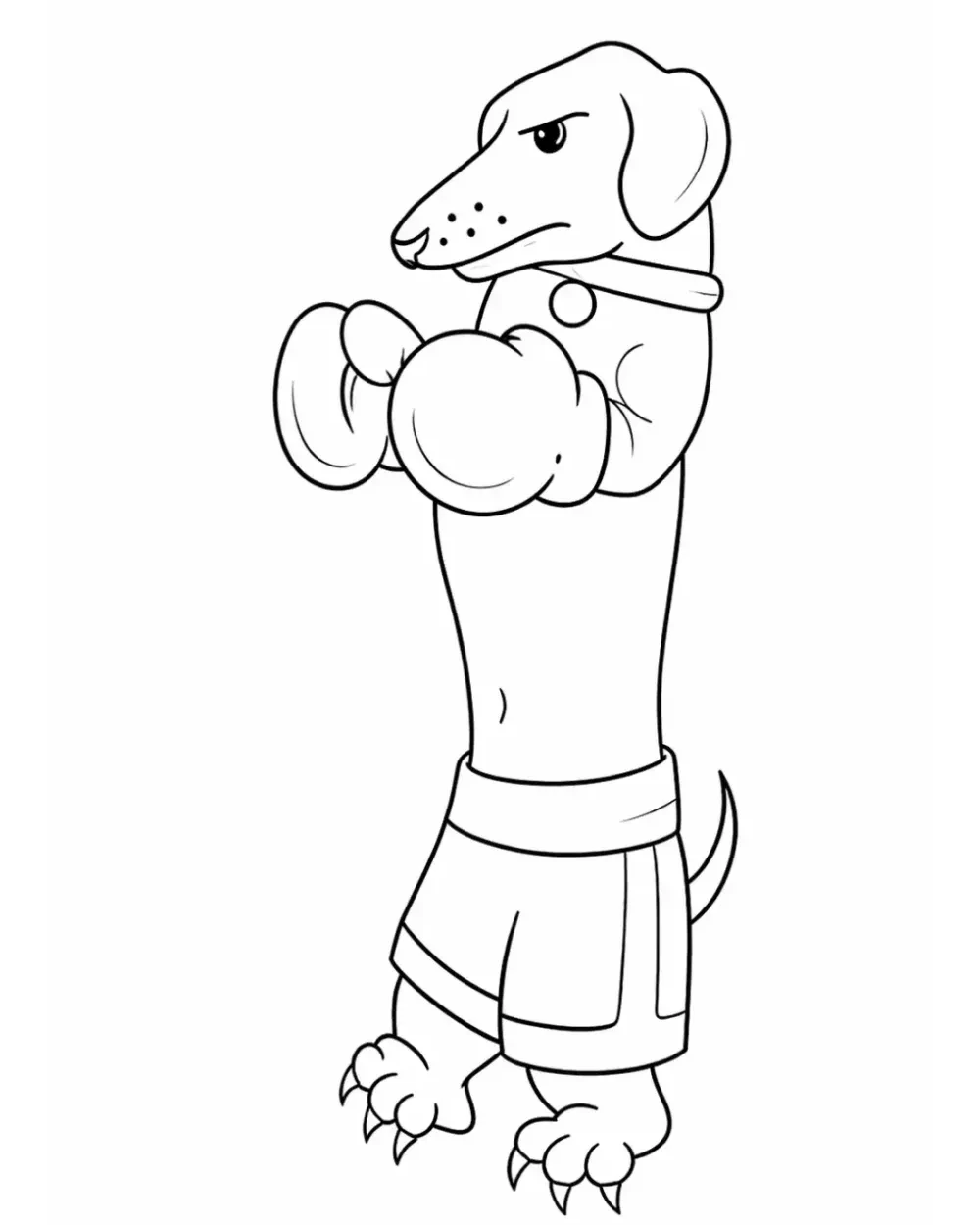
Boxer dog portrait tattoo stencil with strong muzzle and ear landmarks

A breed-led dog portrait where forehead width, eye spacing, muzzle depth, nose shape, and cheek structure carry recognition before coat texture.

The portrait keeps a boxer-specific read because the broad muzzle, nose placement, eye relationship, and head proportions remain clear before smaller facial folds are considered.
Artists comparing pet or breed portraits where likeness depends on a compact set of facial proportions rather than generic fur detail.
Wrinkles, whisker dots, and short-coat texture can become equal-weight noise; keep the eyes, nose, muzzle edge, and head silhouette dominant.
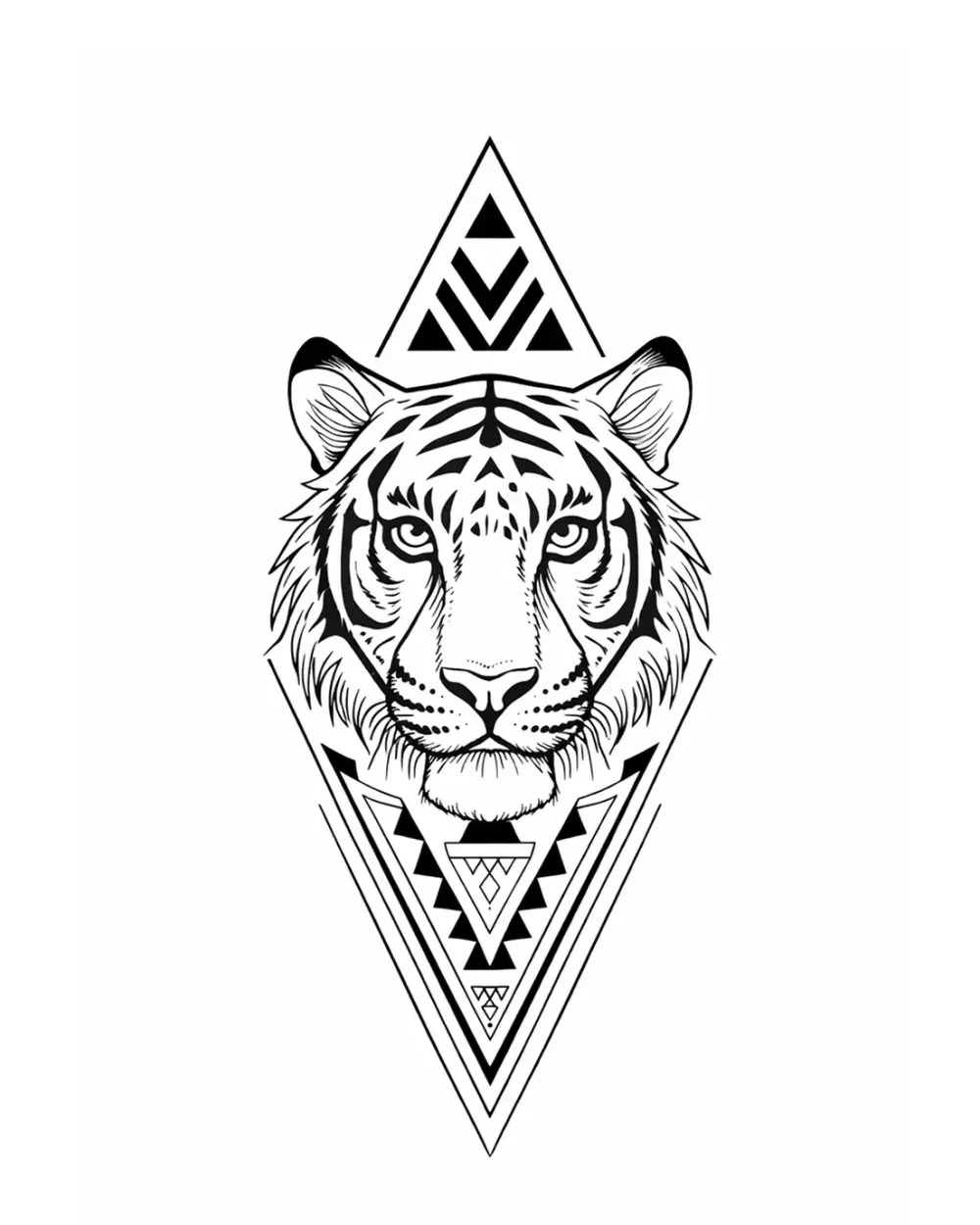
Tiger head tattoo stencil with geometric framing around the face

A graphic tiger head where the eye line, nose, muzzle, and stripe rhythm stay stronger than the supporting geometry.

The tiger face remains immediately readable because the eyes, nose, and stripe direction land before the geometric accents.
Artists comparing emblem-like big-cat designs where bold facial recognition has to survive a graphic support system.
Triangle accents and support geometry can compete with the facial landmarks if every line carries equal visual weight.
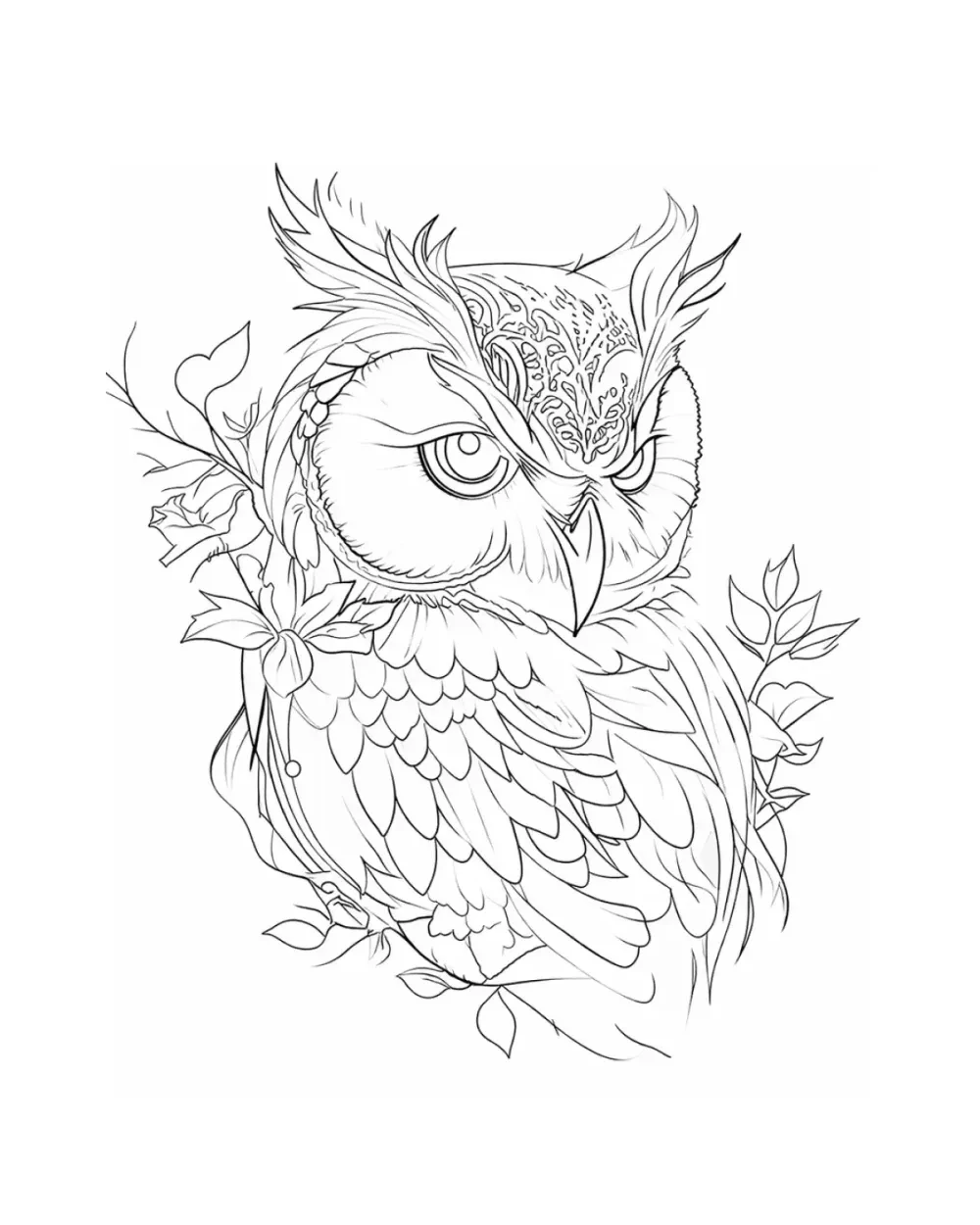
Owl tattoo stencil perched on a branch with leaf and feather detail

A bird-led stencil where the head, eye line, and outer body silhouette read before branch, leaf, and feather detail.

The owl stays recognizable because the face and outer bird silhouette establish the subject before the supporting branch and interior feather structure.
Artists comparing bird references that need a strong species read before ornamental or botanical detail becomes important.
Feather divisions, leaves, and branch intersections can become one texture field when reduced; protect the face, head contour, and outer wing or body edge first.
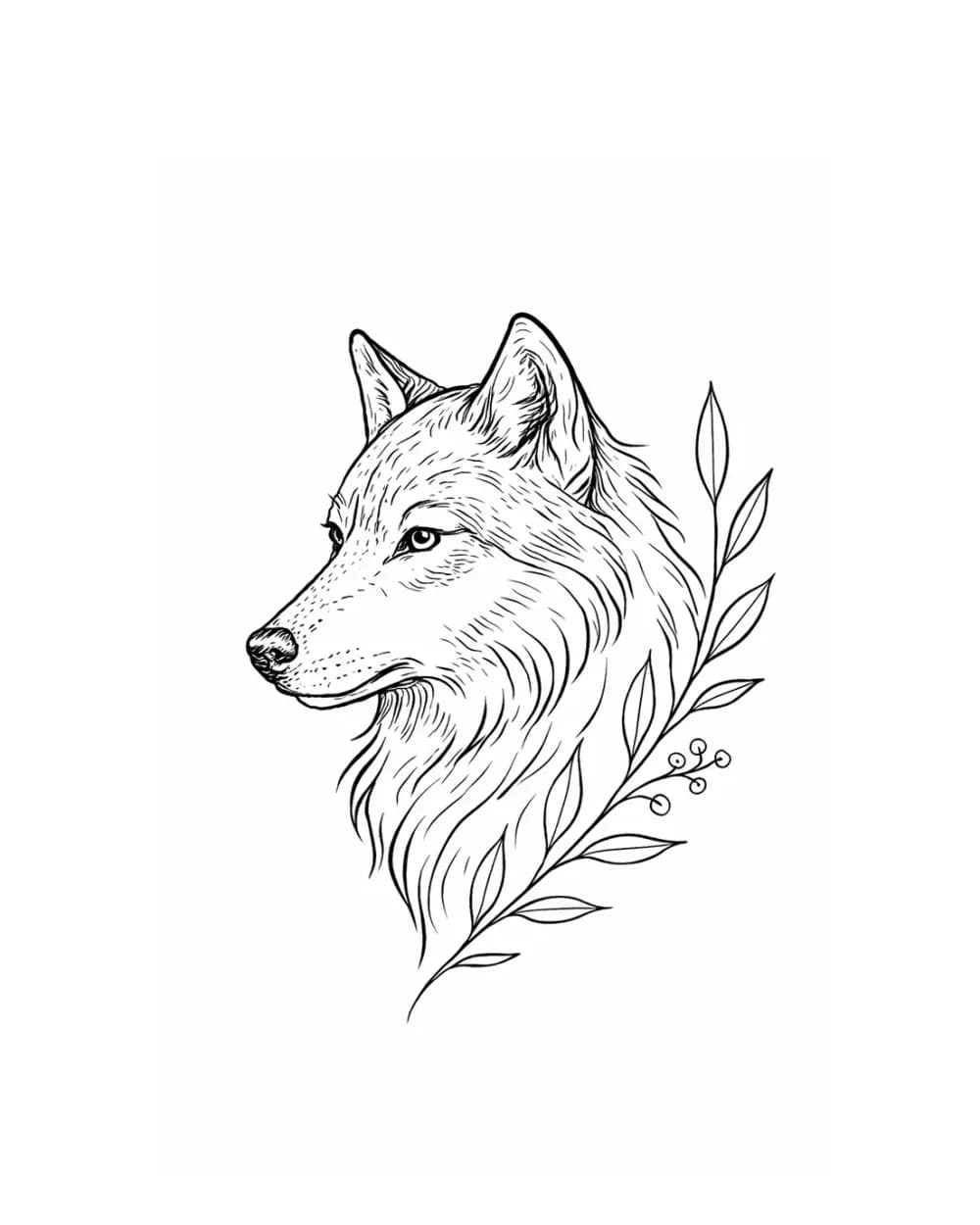
Wolf profile tattoo stencil with light botanical framing

A wolf profile where the ear, forehead, muzzle, and neck contour stay clear before the branch work matters.

The wolf profile reads quickly because the face contour, ear shape, and muzzle stay clean before the botanical support enters the composition.
Artists comparing cleaner wildlife profiles where negative space and head shape do more recognition work than dense fur texture.
Thin branches can clutter the profile if they are given the same visual priority as the head contour.
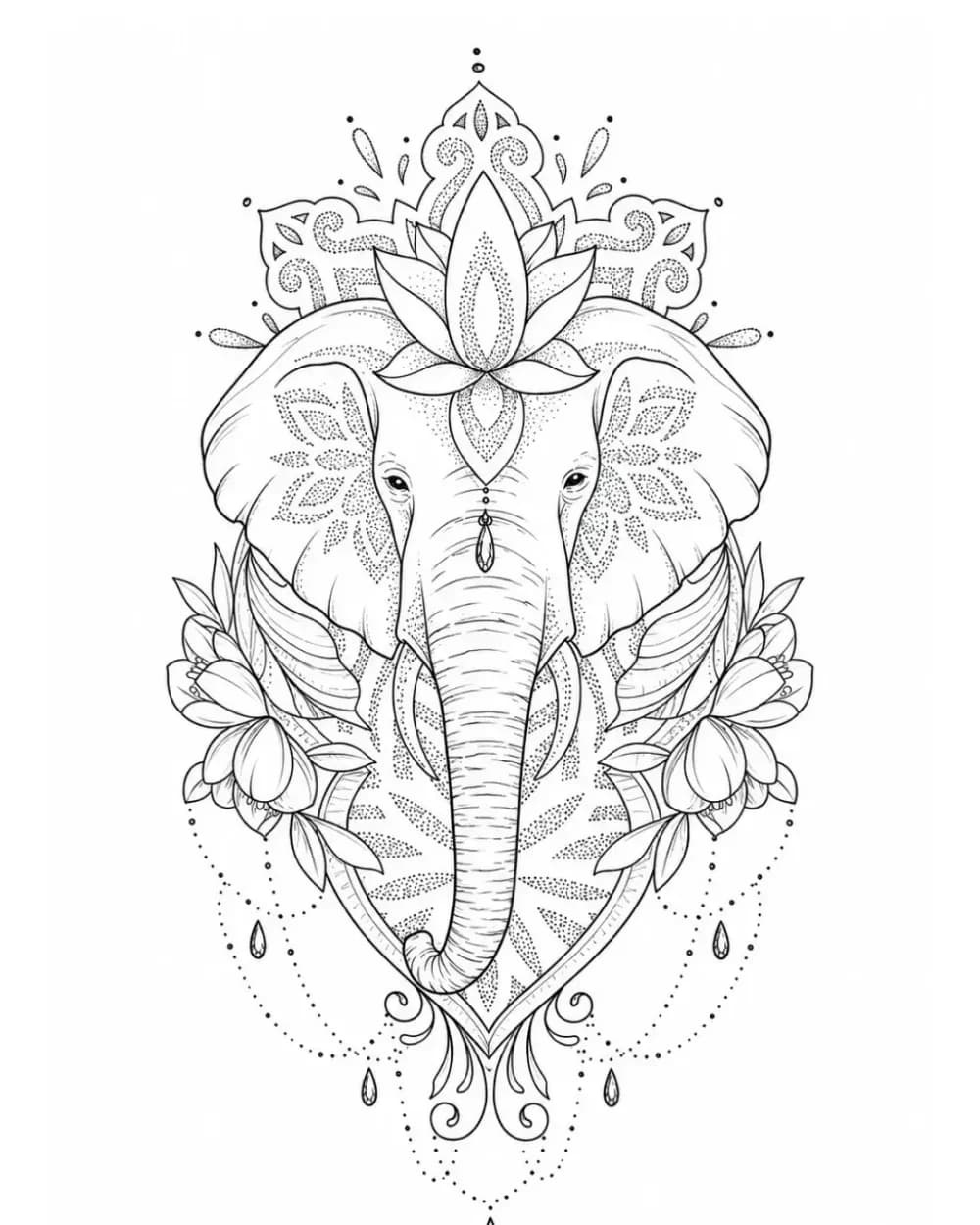
Elephant head tattoo stencil with lotus mandala ornament

A frontal elephant stencil where the trunk and ears establish the animal before the lotus and mandala structure begins to fill the interior.

The head remains readable because the trunk acts as a central spine and the ears preserve the broad outer silhouette while the ornament stays contained inside that structure.
Artists comparing ornamental animal designs where symmetry and pattern need to stay secondary to unmistakable subject landmarks.
Mandala cells, lotus petals, and facial landmarks can become equal-weight noise; preserve the trunk edge, eyes, tusks, and ear boundary before smaller pattern detail.
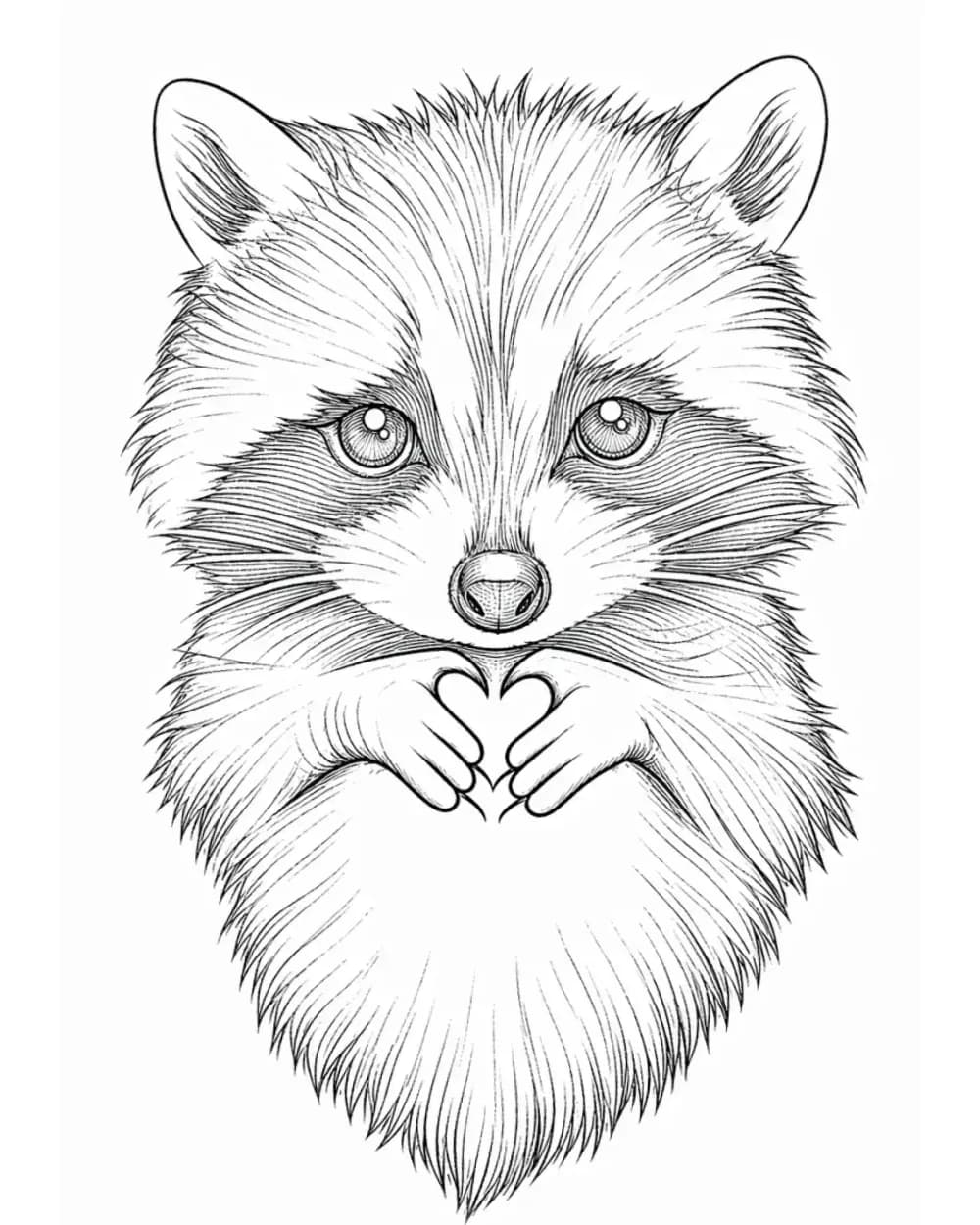
Raccoon portrait tattoo stencil with a clear facial mask and front-facing head

A raccoon portrait where the ear shape, eye mask, muzzle, and cheek outline carry recognition before fine fur texture.

The portrait reads as a raccoon from the facial mask and head proportions first, so smaller fur marks can stay secondary instead of carrying the species identity.
Artists comparing wildlife portraits where a few high-value facial landmarks need to remain stronger than texture.
Fine whisker and fur lines can crowd the eyes and muzzle when reduced; keep the mask boundary, ears, nose, and cheek silhouette easy to separate.
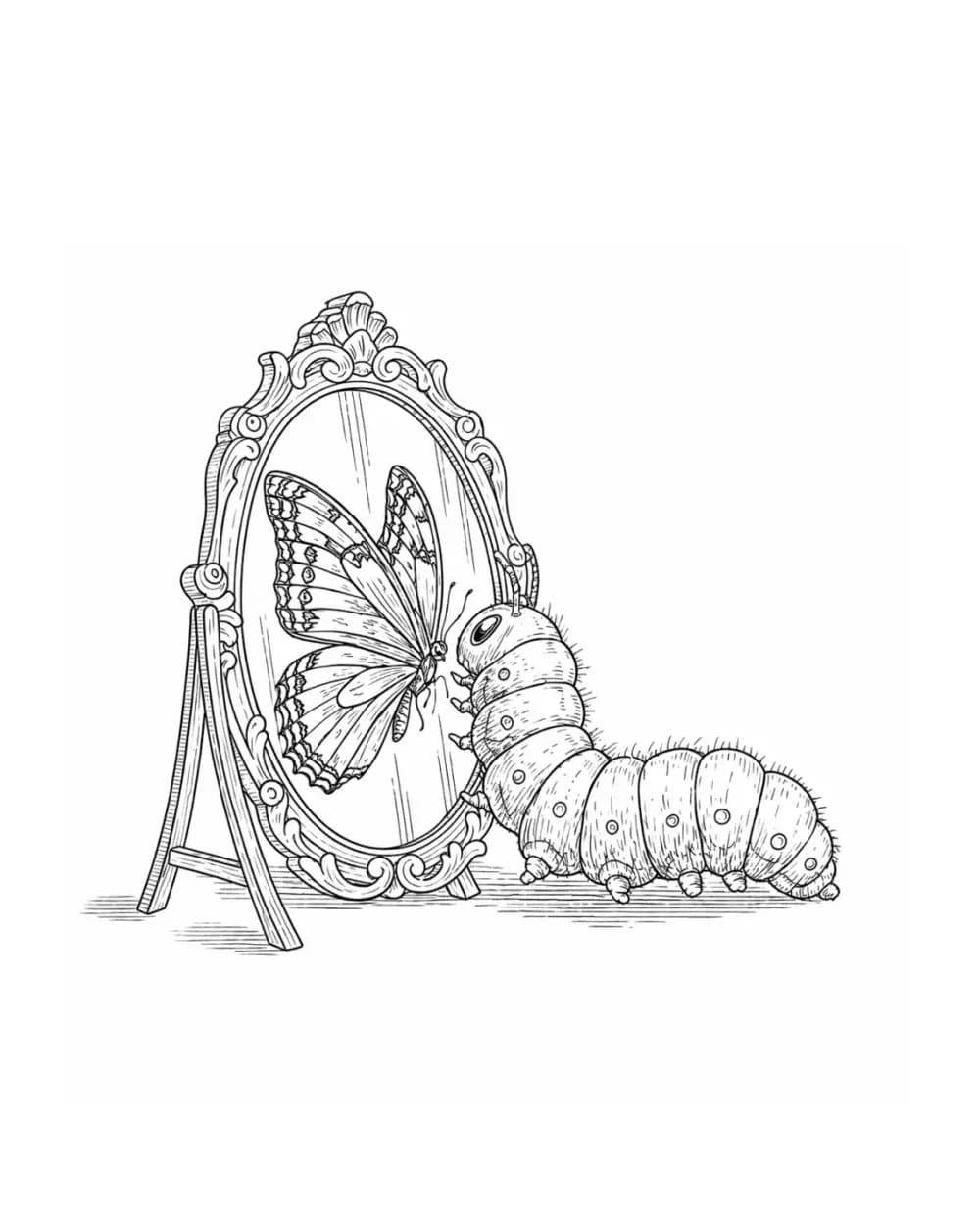
Caterpillar and butterfly tattoo stencil arranged as a two-form transformation composition

A two-form animal concept that compares a compact caterpillar shape with a more open butterfly silhouette in one composition.

The idea reads without text because the two forms remain visually distinct and the butterfly keeps a clear outer wing shape instead of dissolving into interior decoration.
Artists comparing concept-led animal stencils where two related subjects need separate silhouettes before the narrative connection is read.
Small body segments and wing divisions can compete with the larger transformation idea; preserve the two primary silhouettes before minor interior marks.
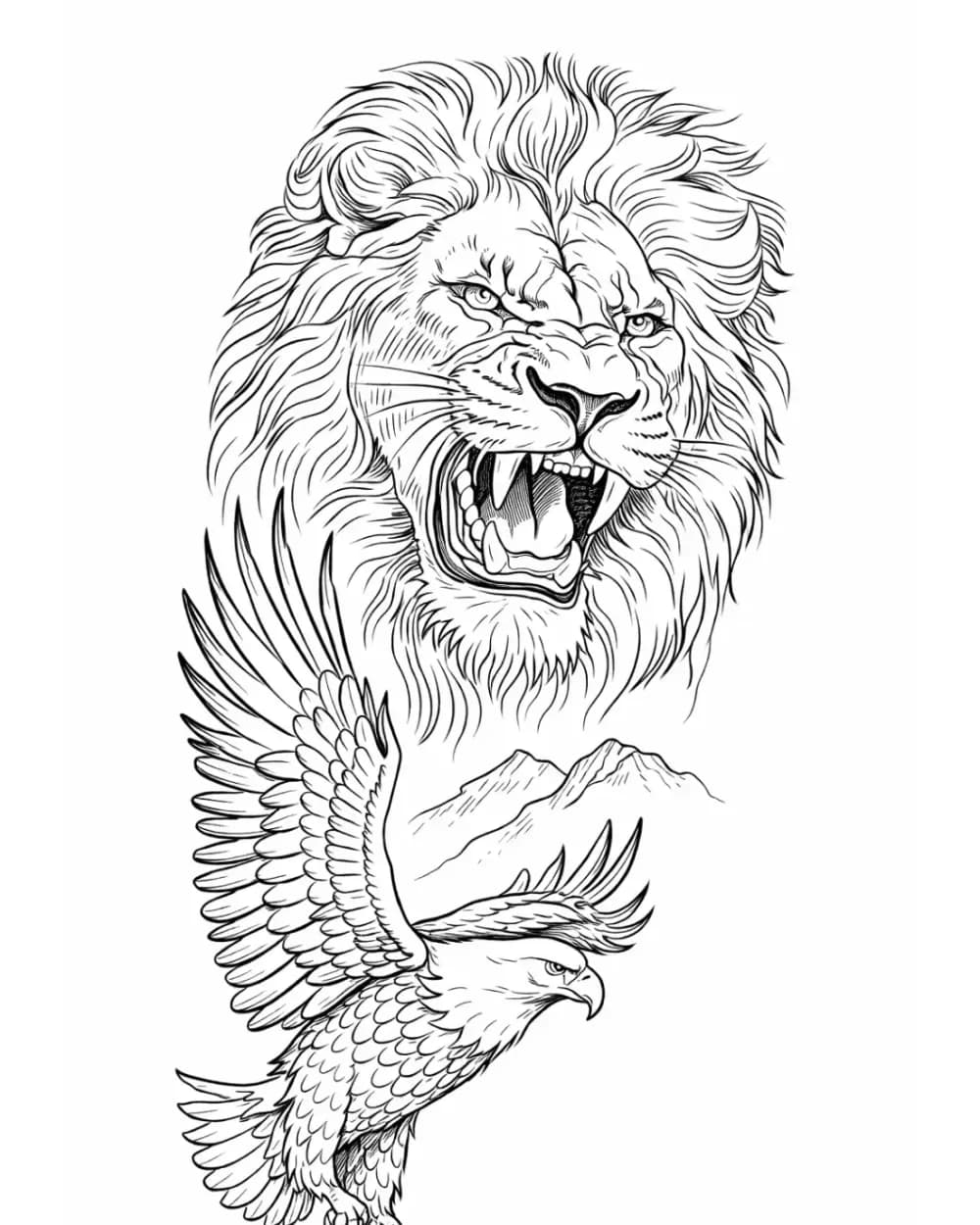
Lion and eagle tattoo stencil with two clearly separated animal heads

A multi-animal composition built around a roaring lion and a wing-forward eagle.

Both animals stay identifiable because the composition separates the heads and keeps their large shapes readable before mountain, feather, or texture detail enters.
Artists comparing multi-animal layouts where two subjects must remain individually recognizable inside one larger composition.
Feather texture, landscape fill, and secondary contours should not erase the separation between the lion and eagle.
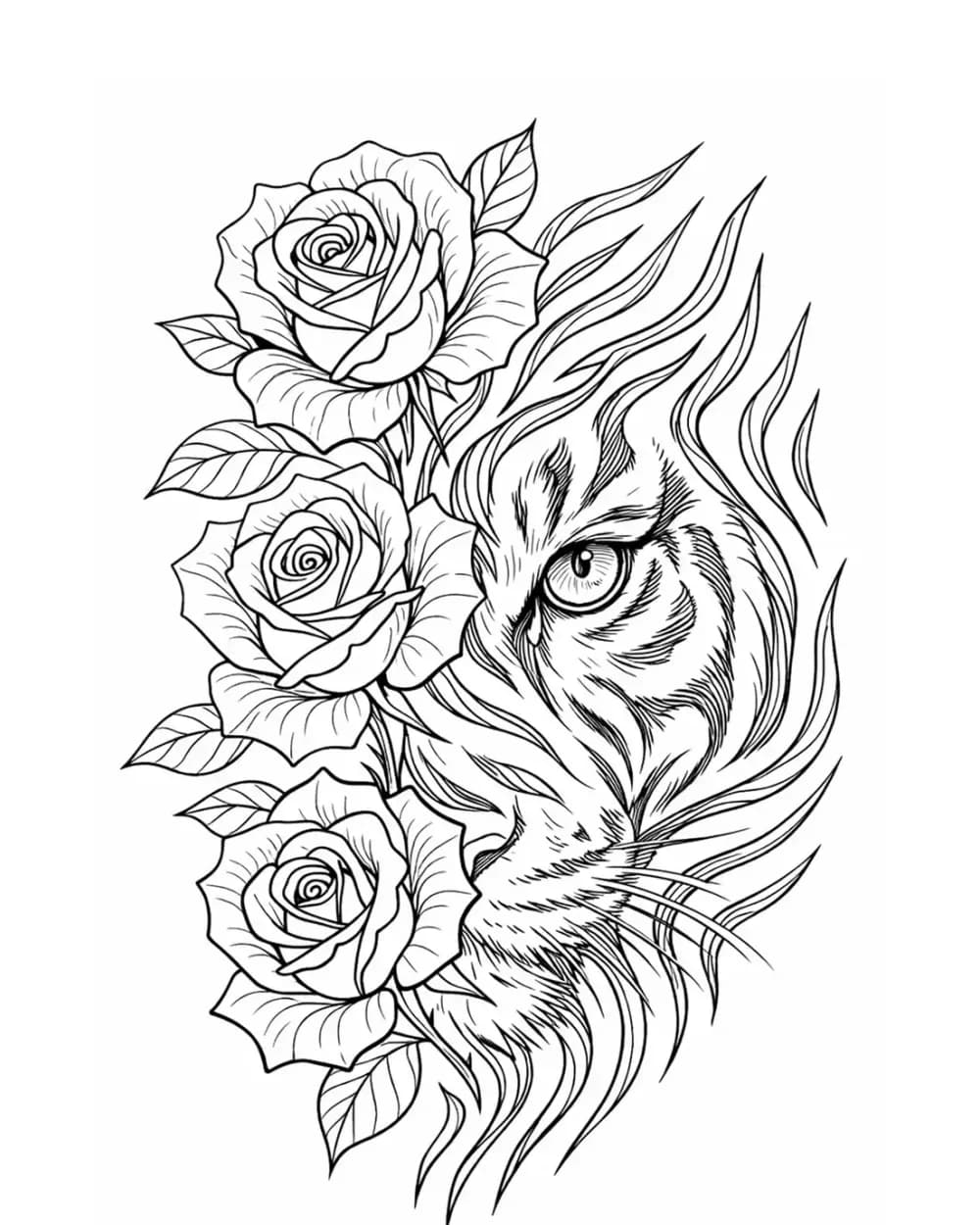
Tiger portrait tattoo stencil framed by roses

A tiger-and-rose stencil where the feline face stays dominant inside a vertical floral frame.

The tiger eye line, nose, muzzle, and stripe rhythm land before the roses start acting as decoration, so the animal remains the first read.
Artists comparing decorative big-cat portraits where floral framing should support rather than replace the face.
Petal overlaps and inner whisker lines can compete with the face when reduced; protect the tiger landmarks before retaining small floral detail.

Artist notes

What holds up in the stencil.

Start with the big read, then check the details that can merge, disappear, or compete at final size.

Read the animal before the decoration

Across these examples, the strongest first read comes from a small set of species landmarks: the profile of a cat or wolf, the face map of a lion or tiger, the trunk and ears of an elephant, the eye line and body shape of an owl, or the main tentacle paths of an octopus. Use those large recognition cues as the baseline before judging texture, ornament, or storytelling.
Keep flowers, props, and second subjects in a supporting role

Flowers, geometry, branches, mandala structure, and second animals can add direction without taking over the stencil. Compare where those elements sit relative to the eyes, muzzle, head contour, wings, trunk, or other recognition landmarks. If the support system interrupts the subject that should read first, the composition is asking small detail to do too much work.

Judge the tightest detail cluster at final size

The outer animal silhouette is often not the first part to become crowded. Whiskers, feather divisions, petal centers, small facets, fur breaks, tentacle overlaps, and repeated ornamental cells can close together much sooner. Compare the simple and dense examples here, then inspect your own stencil at its intended physical size before deciding which secondary marks still earn space.

Go more specific

Explore a tighter subject.

Browse specific subjects
Elephant head tattoo stencil with lotus mandala ornament

Elephant

9 curated examples

These elephant references compare ornamental symmetry, floral framing, geometric contrast, full-body patterning, a simplified calf, a conceptual puzzle-piece portrait, a…

Cat tattoo stencil showing a side-profile head beside a flower stem

Cat

7 curated examples

This collection compares cat references built around different recognition cues: a profile, a peeking portrait, repeated cat silhouettes, floral framing, an ornamental m…

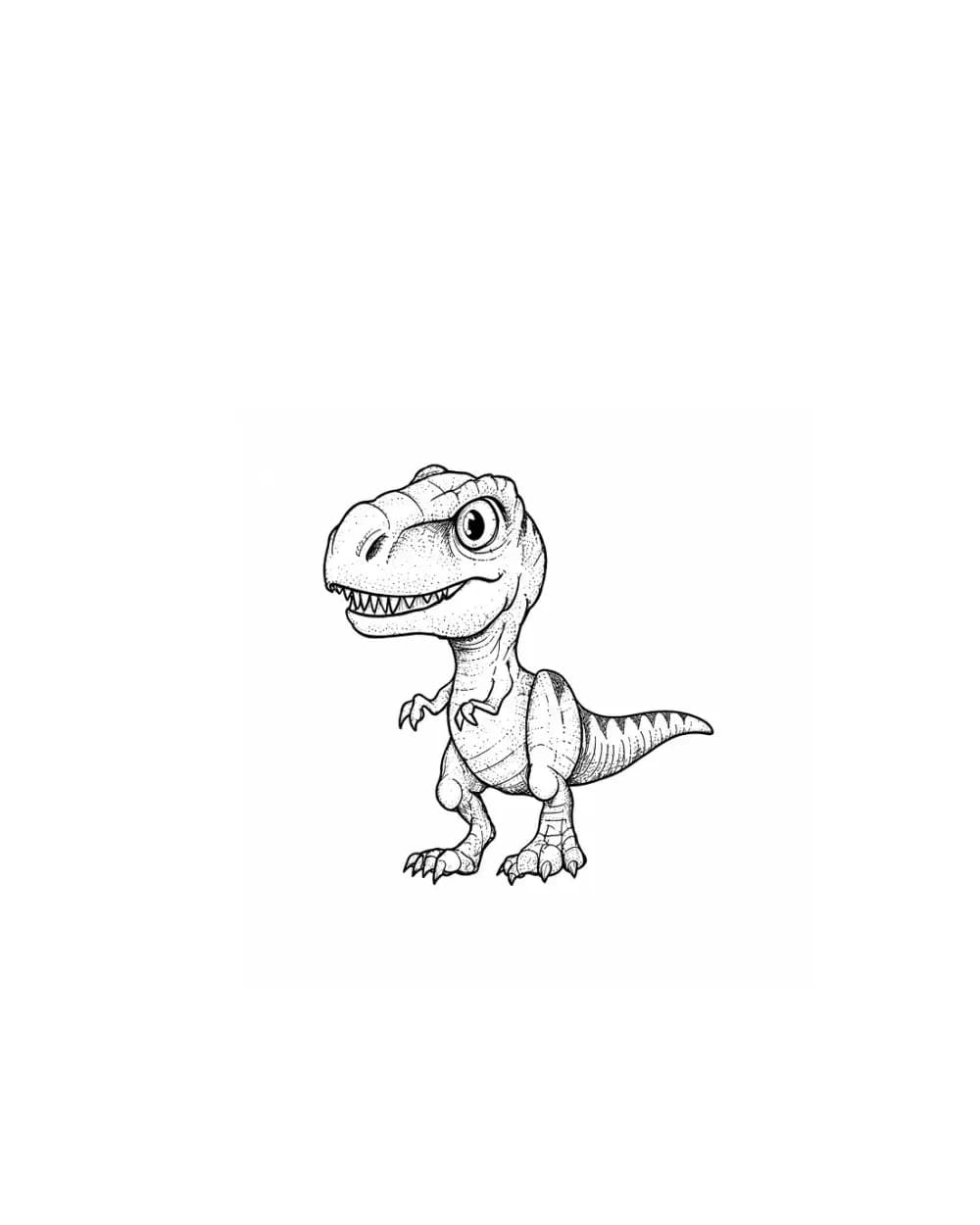
Baby T-Rex tattoo stencil with stippled detail

Dinosaur

6 curated examples

This dinosaur collection compares recognizable species shapes with playful character treatments. It includes two T-Rex directions, a long-neck skateboarder, a winged lon…

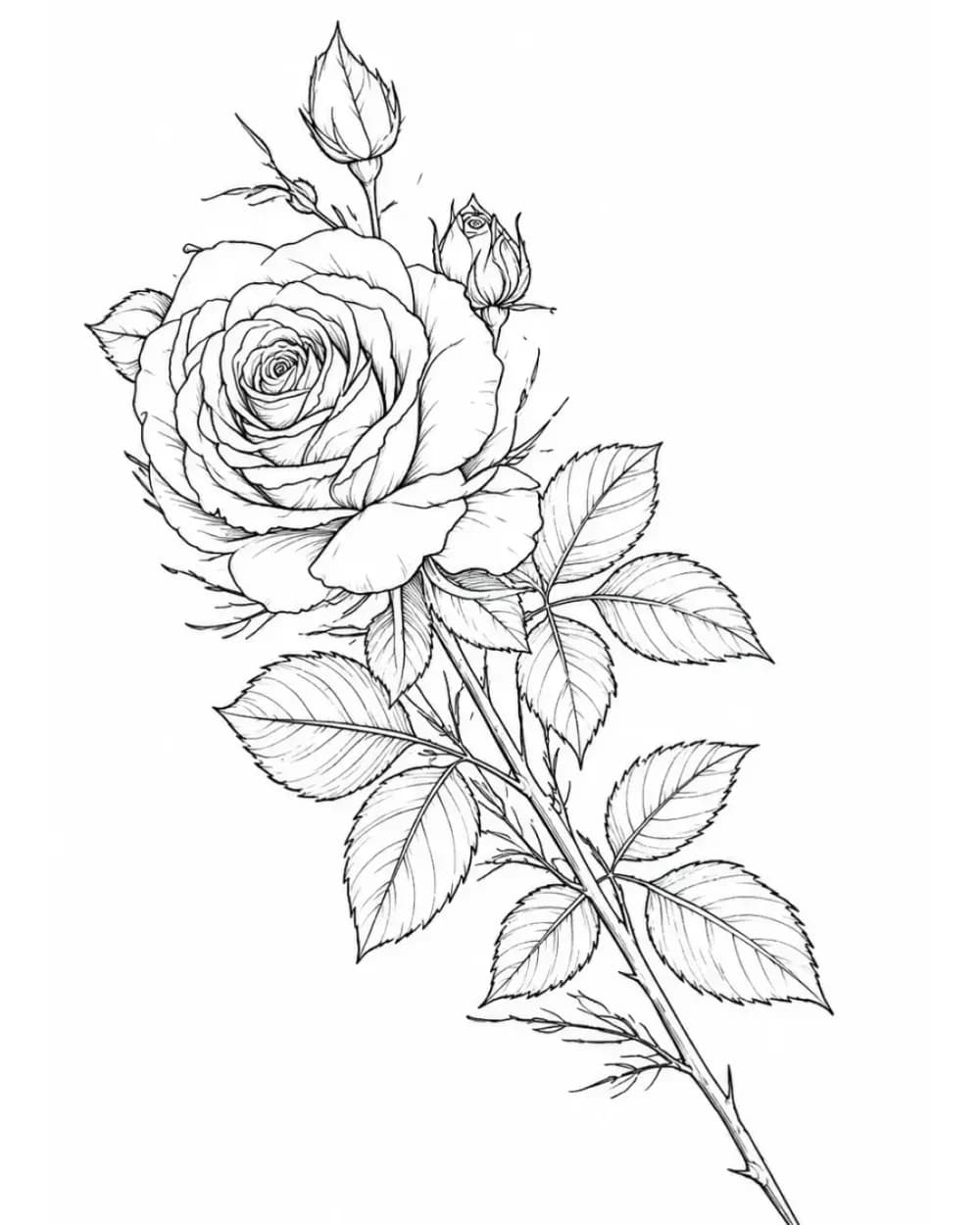
Single long-stem rose tattoo stencil with detailed petals and leaves

Rose

6 curated examples

This collection compares six rose stencil directions: a standalone long-stem rose, roses framing a tiger, roses contained inside a cat silhouette, a butterfly-and-rose c…

Boxer dog portrait tattoo stencil with strong muzzle and ear landmarks

Dog

5 curated examples

These dog stencil references compare breed-specific portraits, a minimal facial crop, and more playful character treatments. The examples include a boxer portrait, a clo…

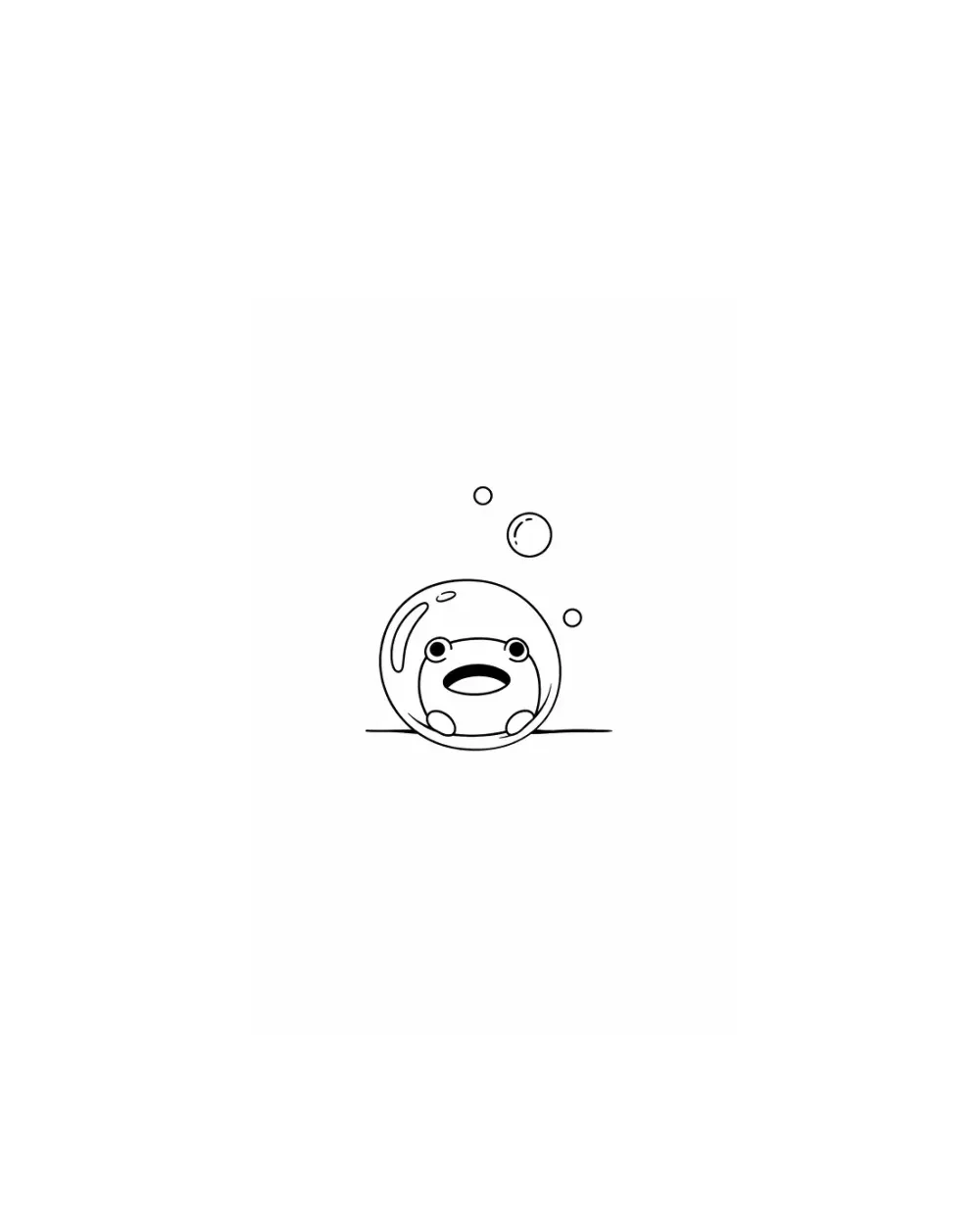
Frog tattoo stencil enclosed in a round soap bubble

Frog

5 curated examples

This frog collection compares compact character concepts, visual distortion, narrative props, and one more elaborate supporting composition. The examples include a frog…

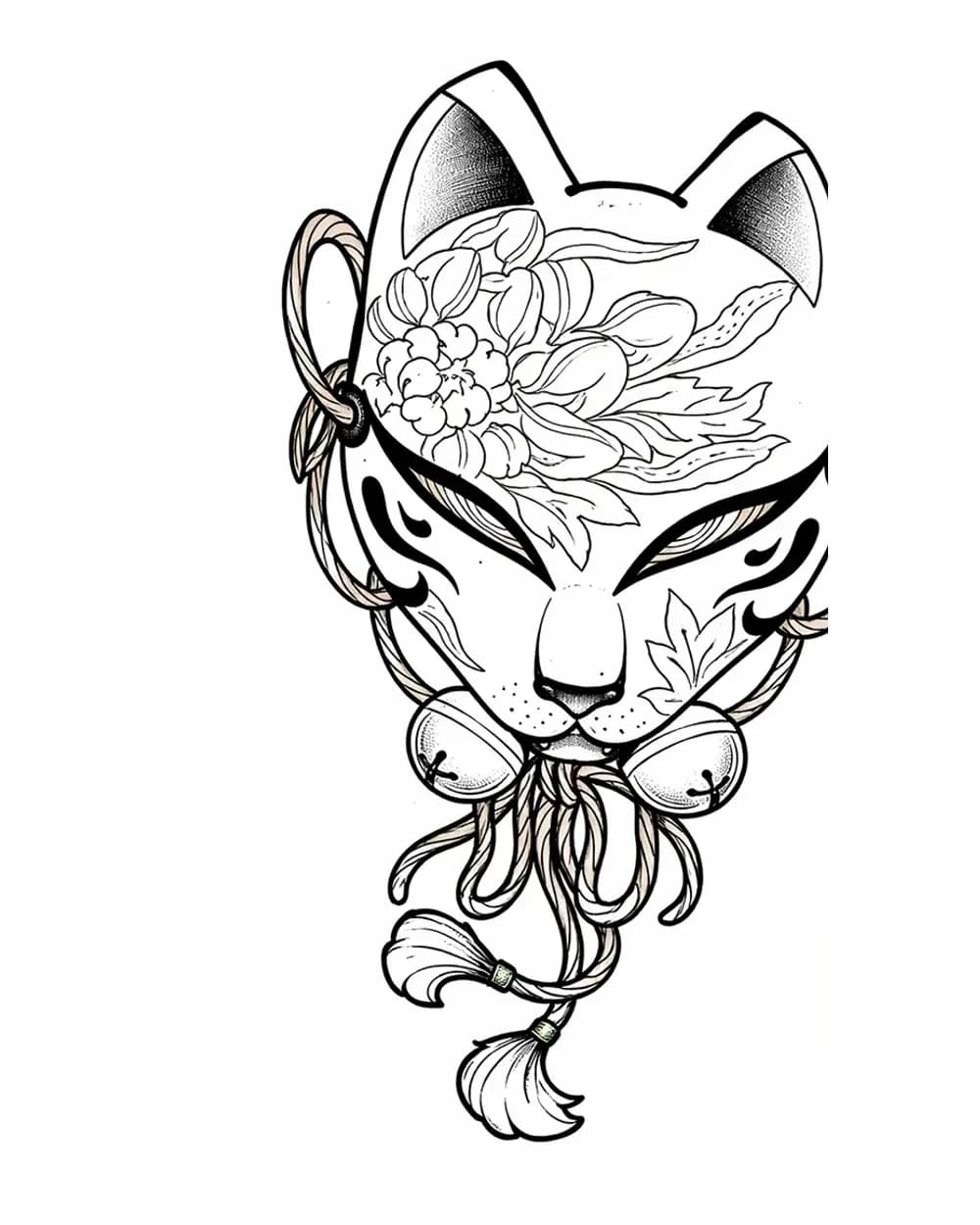
Floral kitsune mask tattoo stencil with fox ears, facial markings, flowers, and hanging ornament

Kitsune

4 curated examples

This collection compares four Kitsune stencil directions: a floral fox mask, two masks built around a sword, a Japanese portrait that includes a Kitsune mask, and a full…

Geometric lion head tattoo stencil built from faceted triangular planes

Lion

4 curated examples

This collection compares four lion stencil directions that solve different readability problems: a faceted geometric head, a cleaner lioness profile, a floral portrait,…

Related stencils

Keep exploring.

Useful guides

Take the next step in the workflow.

Browse guides

FAQ

Quick questions about animals stencils.

Compare silhouette, key landmarks, spacing, and where detail starts to crowd across these 12 examples. The useful question is what still reads clearly at the size you plan to work at.

Next step

Turn your own animal reference into a stencil draft

Use the gallery to decide which animal landmarks and support details need to stay clear, then start from your own reference in the browser.