First read
Start with the subject landmarks.
Look for the silhouette, face map, major petals, mask shape, or other large landmarks that make the subject recognizable before you judge fine detail.


Stencil Subjects
Compare reviewed examples of the same subject to see how silhouette, composition, and detail change before you prepare your own reference
Browse by subject
Each page stays focused on one motif, with enough strong examples to compare silhouette, spacing, composition, and detail without unrelated references getting in the way.
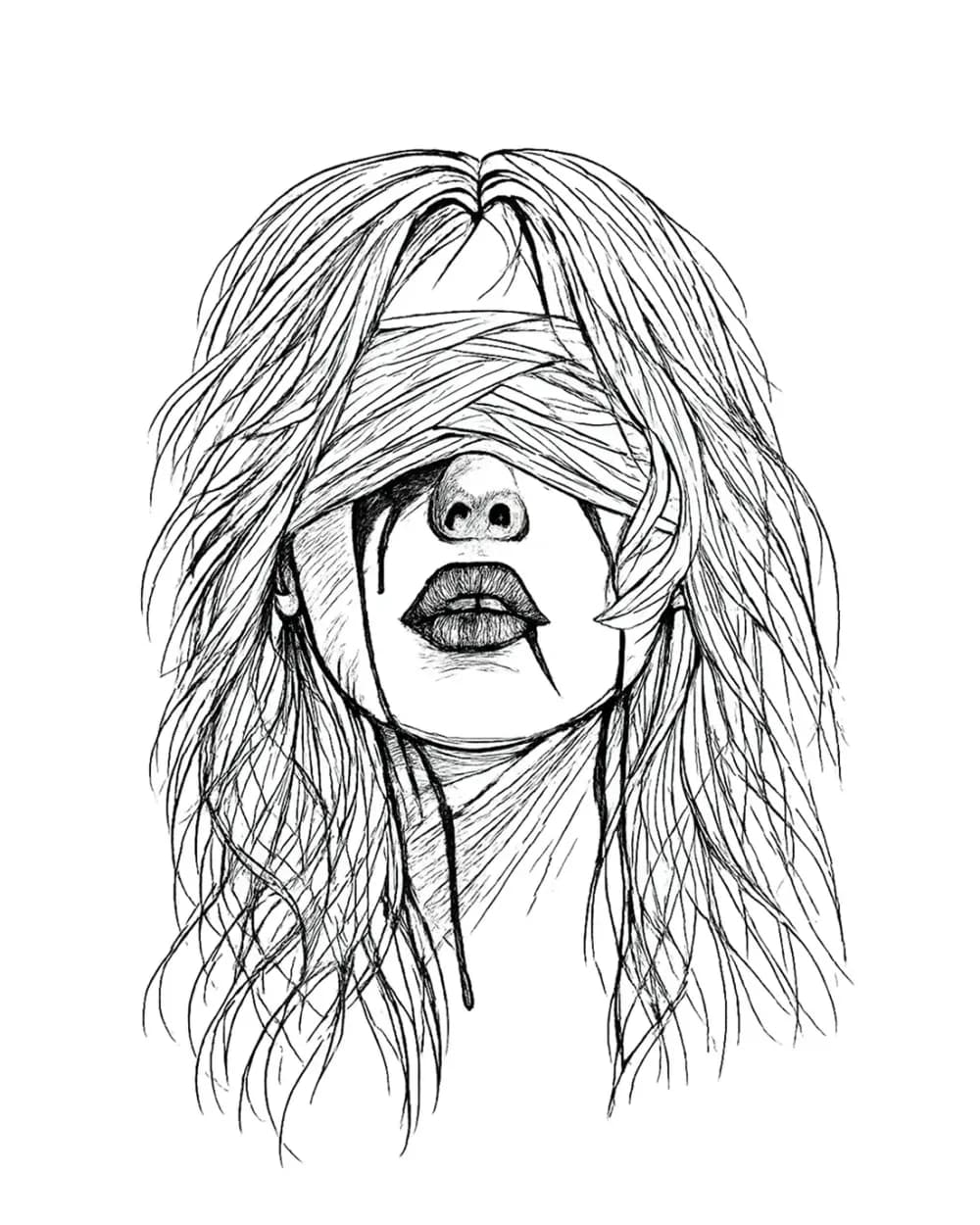
This collection compares woman portraits across realistic, illustrative, floral, theatrical, symbolic, and hybrid directions. The examples include direct frontal studies…
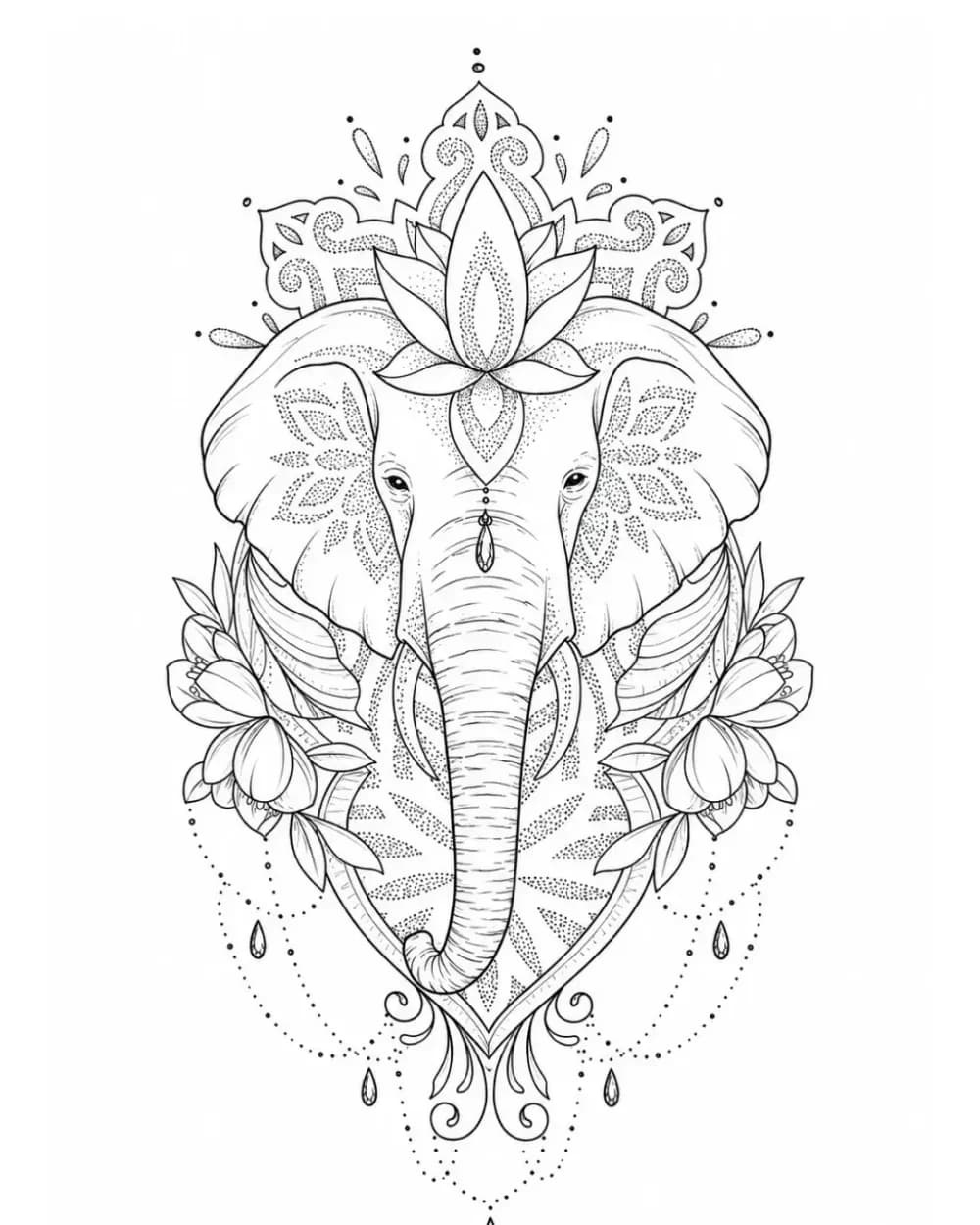
These elephant references compare ornamental symmetry, floral framing, geometric contrast, full-body patterning, a simplified calf, a conceptual puzzle-piece portrait, a…
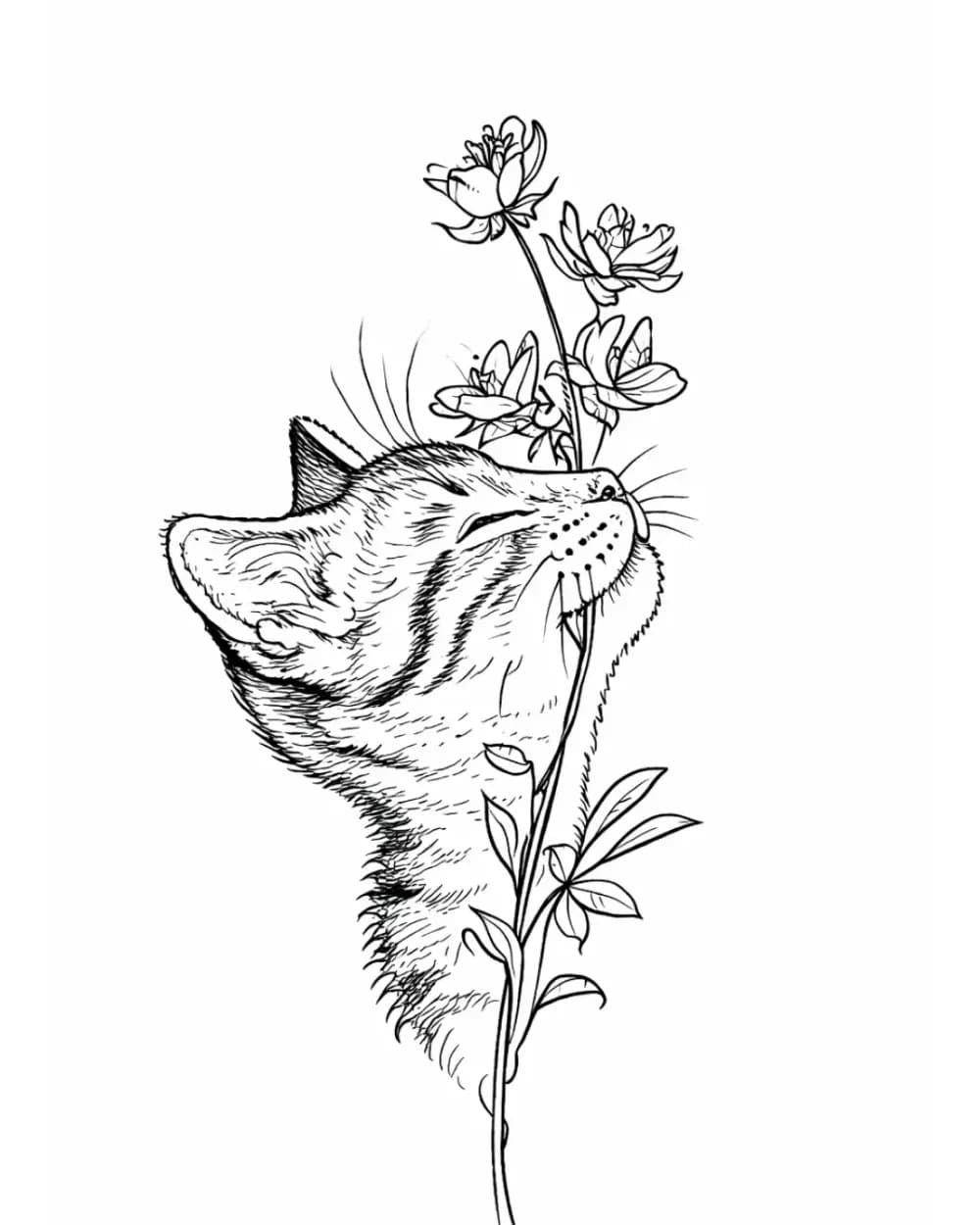
This collection compares cat references built around different recognition cues: a profile, a peeking portrait, repeated cat silhouettes, floral framing, an ornamental m…
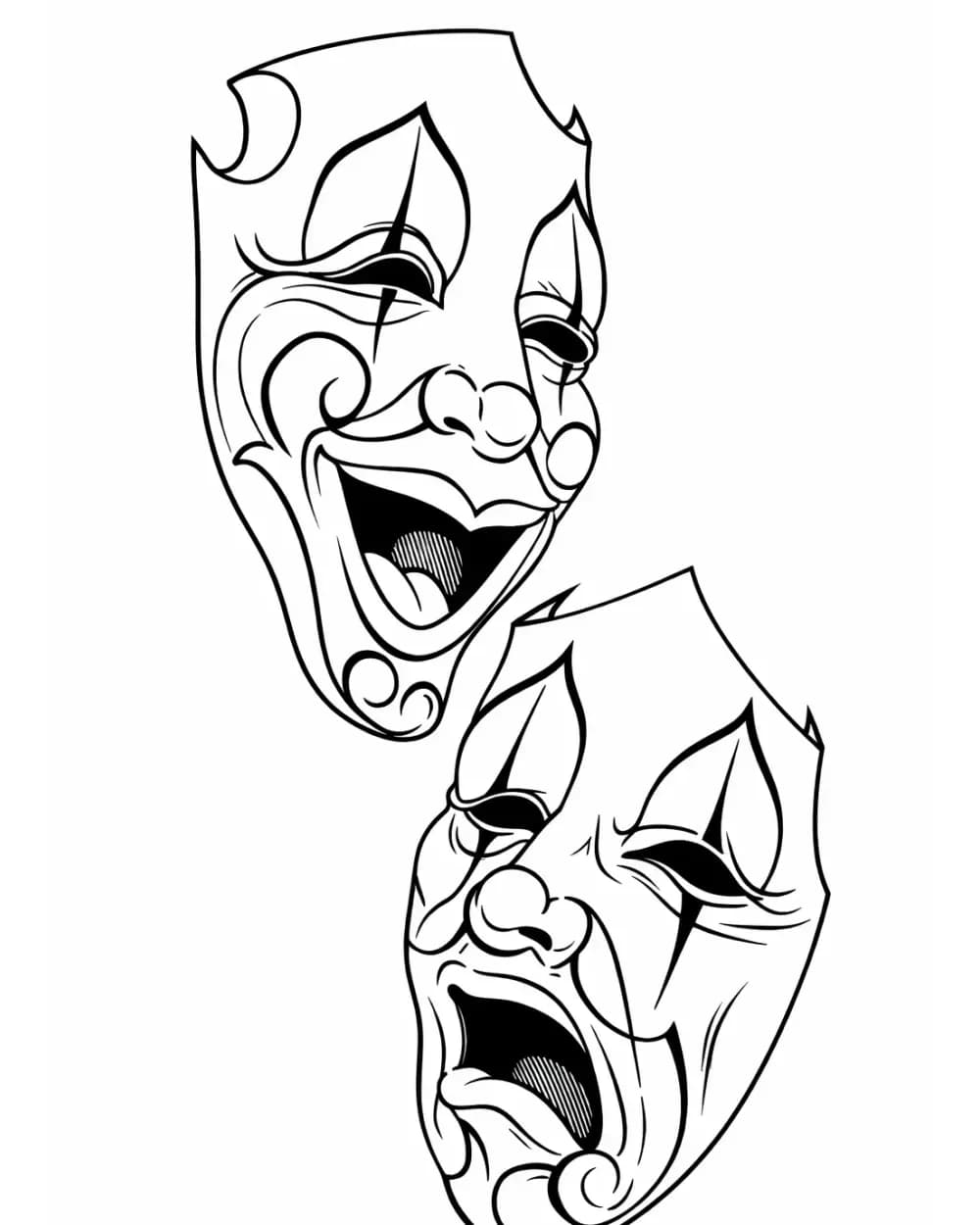
This collection focuses on comedy and tragedy mask designs, including classical theater forms, clown variations, ribbon framing, rough expressive linework, and a flame-b…
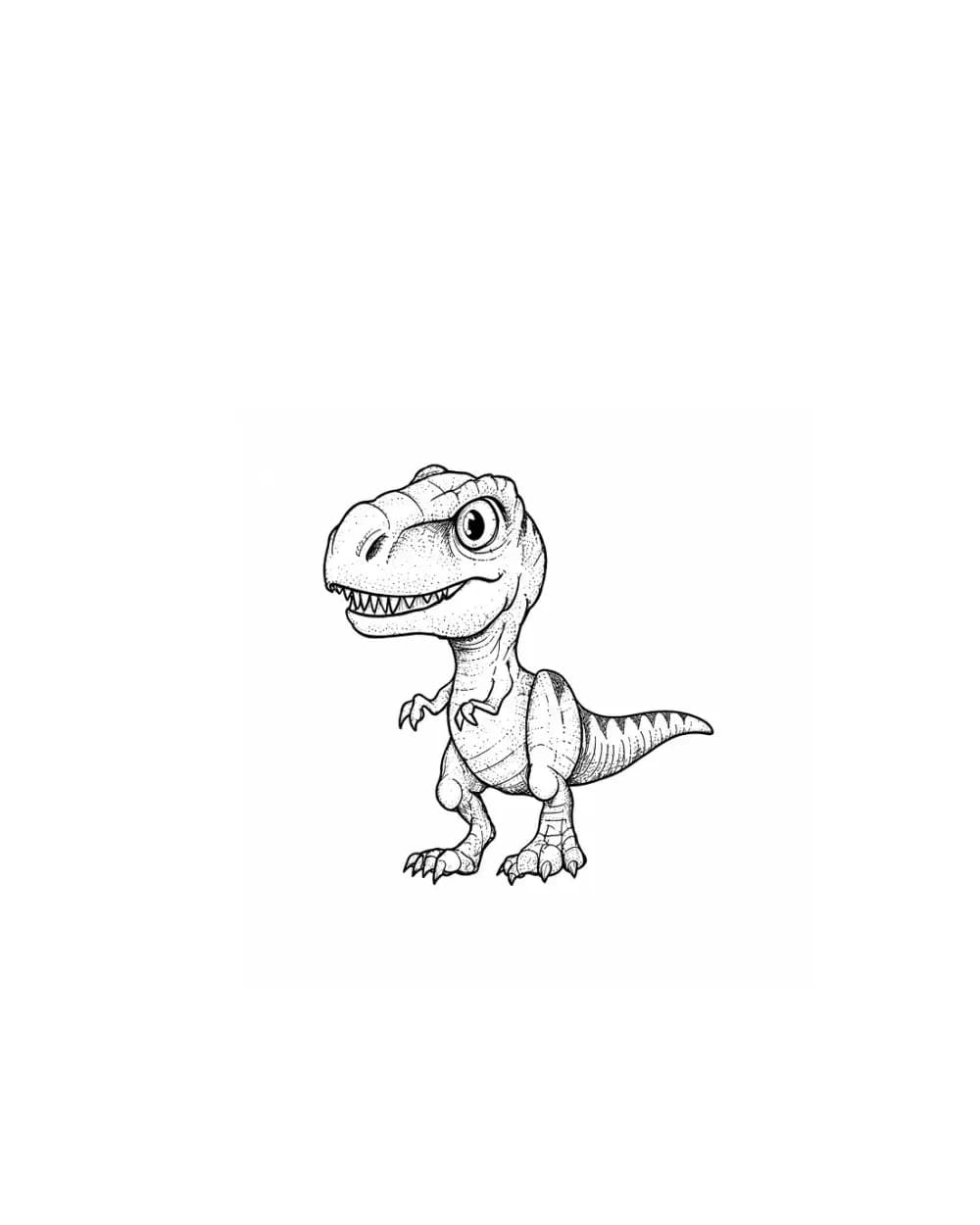
This dinosaur collection compares recognizable species shapes with playful character treatments. It includes two T-Rex directions, a long-neck skateboarder, a winged lon…
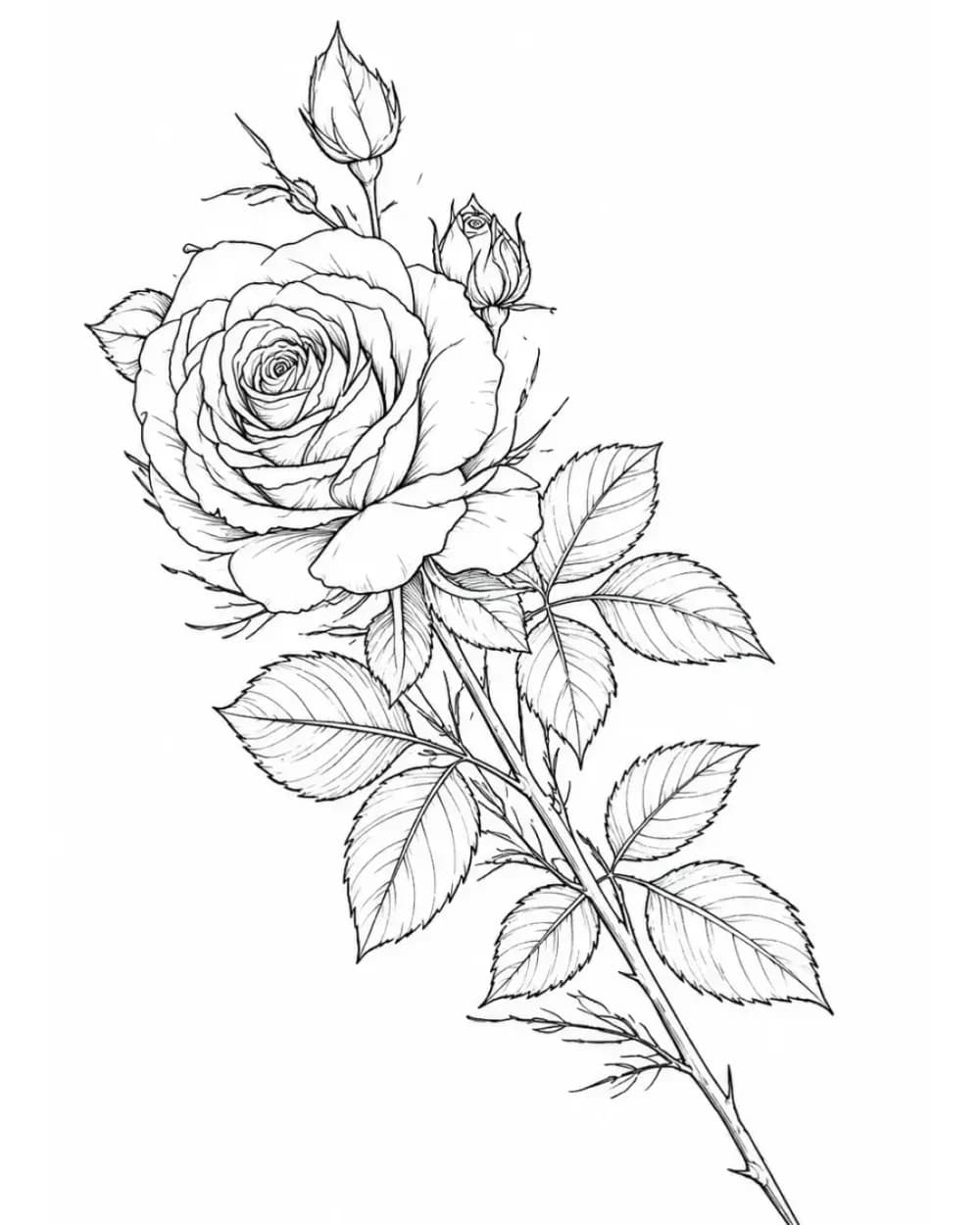
This collection compares six rose stencil directions: a standalone long-stem rose, roses framing a tiger, roses contained inside a cat silhouette, a butterfly-and-rose c…
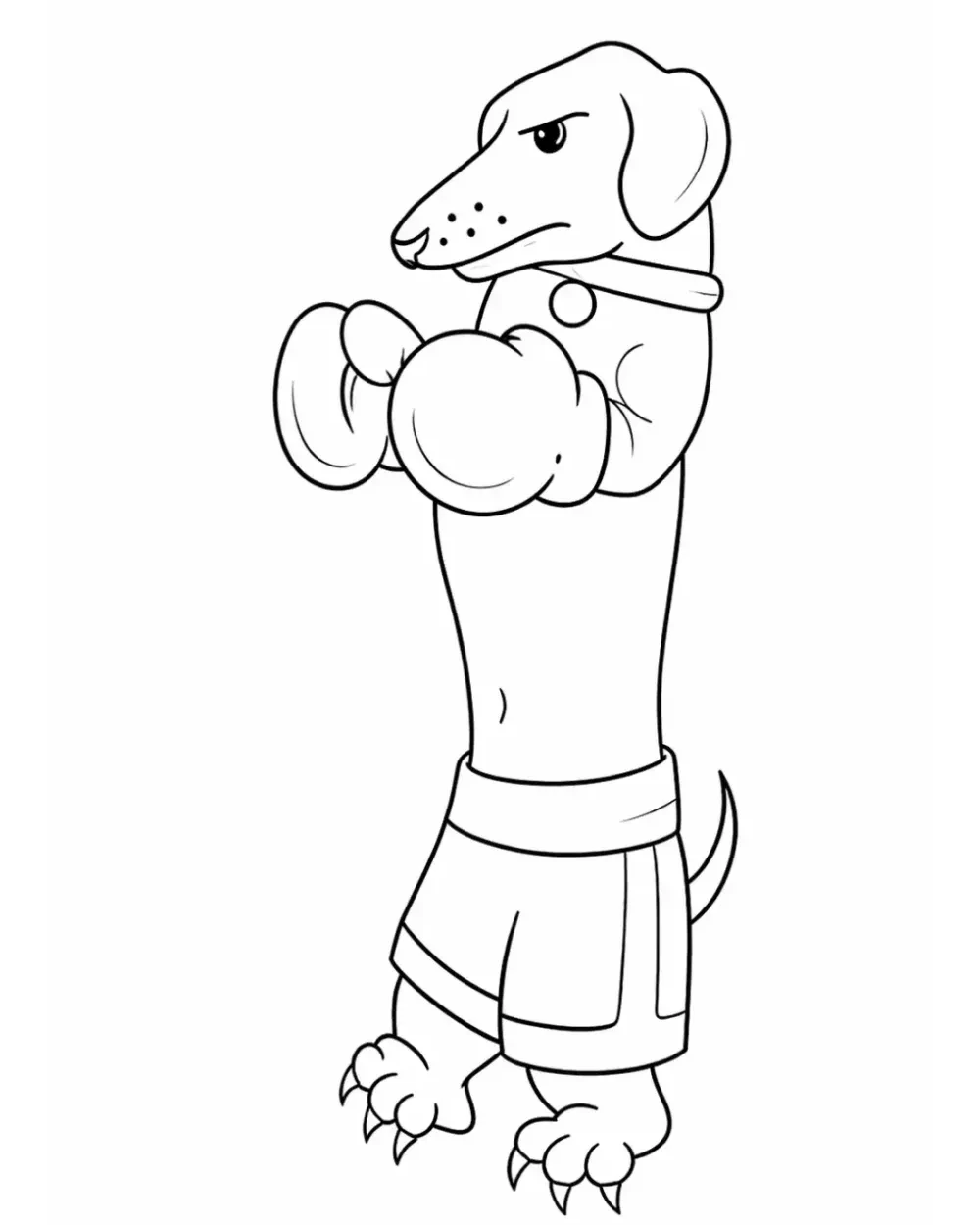
These dog stencil references compare breed-specific portraits, a minimal facial crop, and more playful character treatments. The examples include a boxer portrait, a clo…
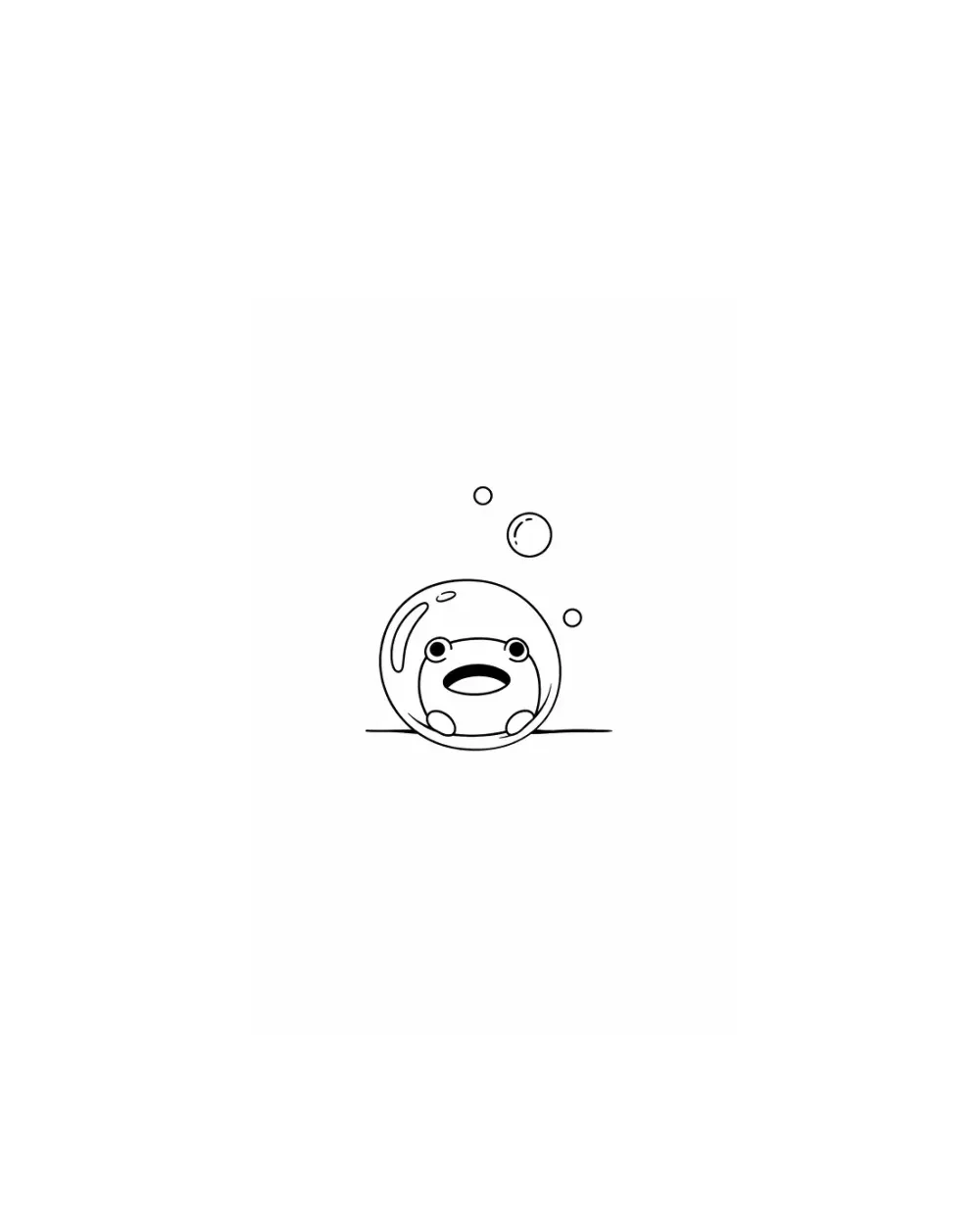
This frog collection compares compact character concepts, visual distortion, narrative props, and one more elaborate supporting composition. The examples include a frog…
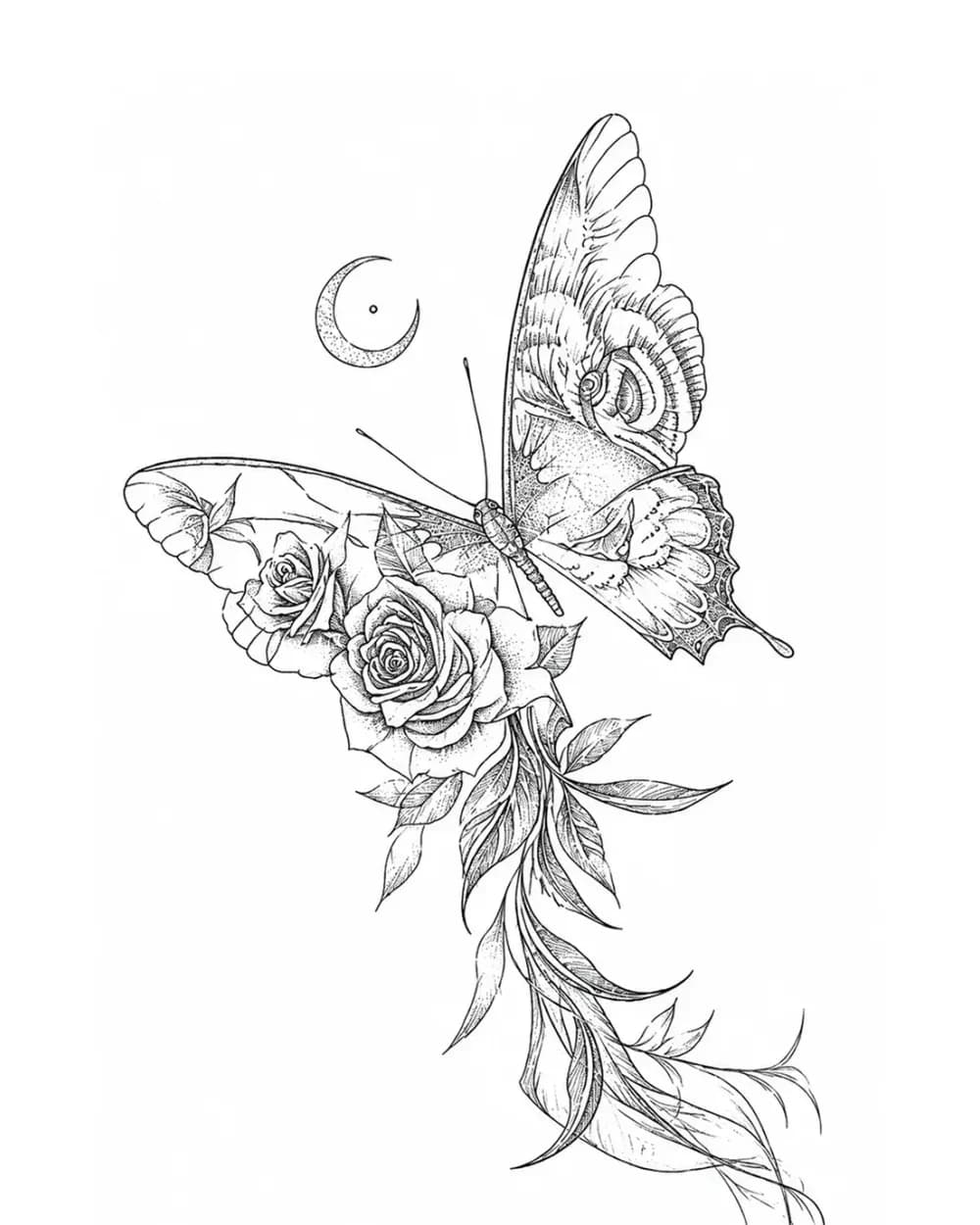
Compare four butterfly stencil references for professional transfer work, covering wing symmetry, vein simplification, pairing layouts, and final-size checks.
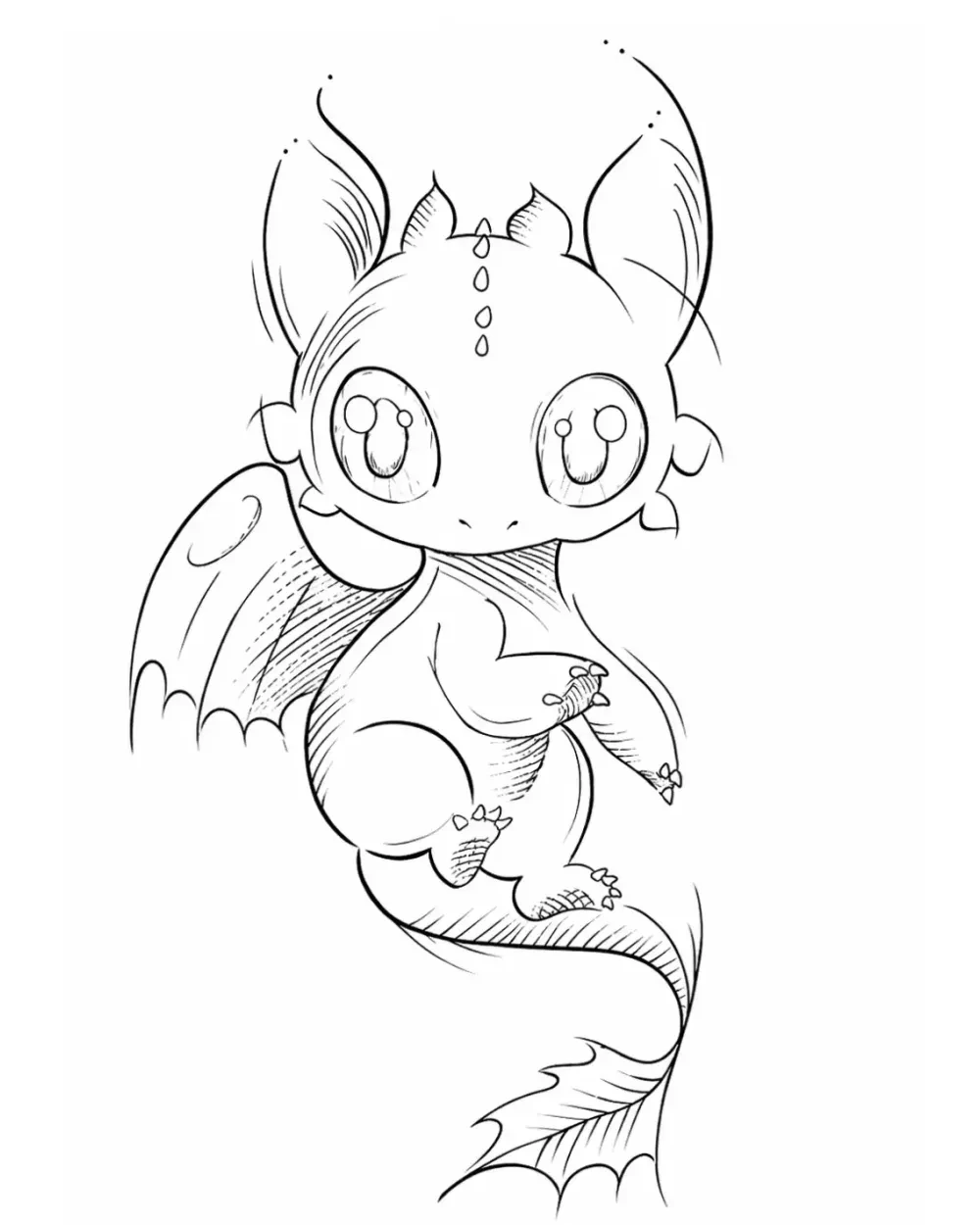
This collection compares four dragon stencil directions so you can choose a composition that will still read after simplification, transfer, and tattooing at your size a…
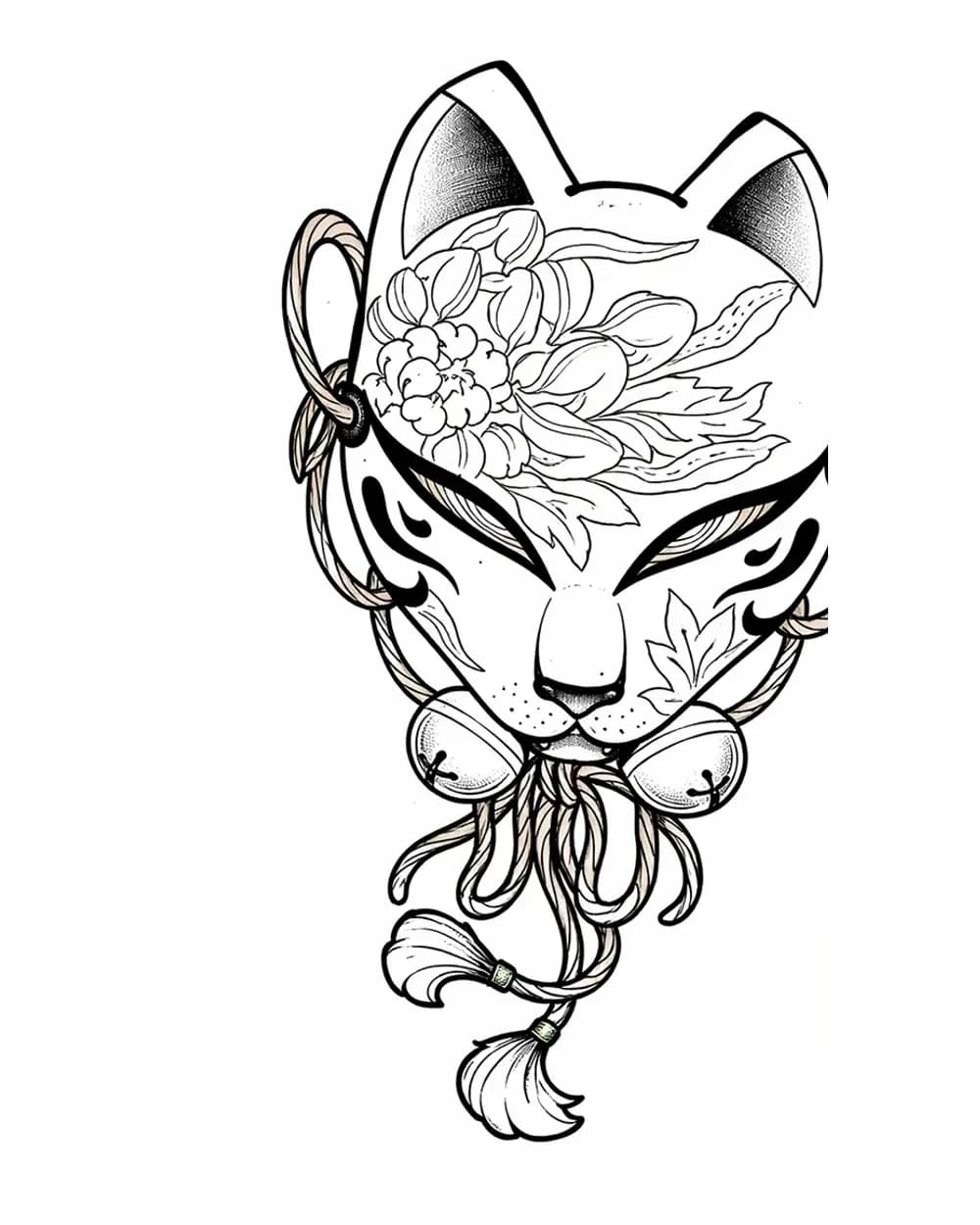
This collection compares four Kitsune stencil directions: a floral fox mask, two masks built around a sword, a Japanese portrait that includes a Kitsune mask, and a full…
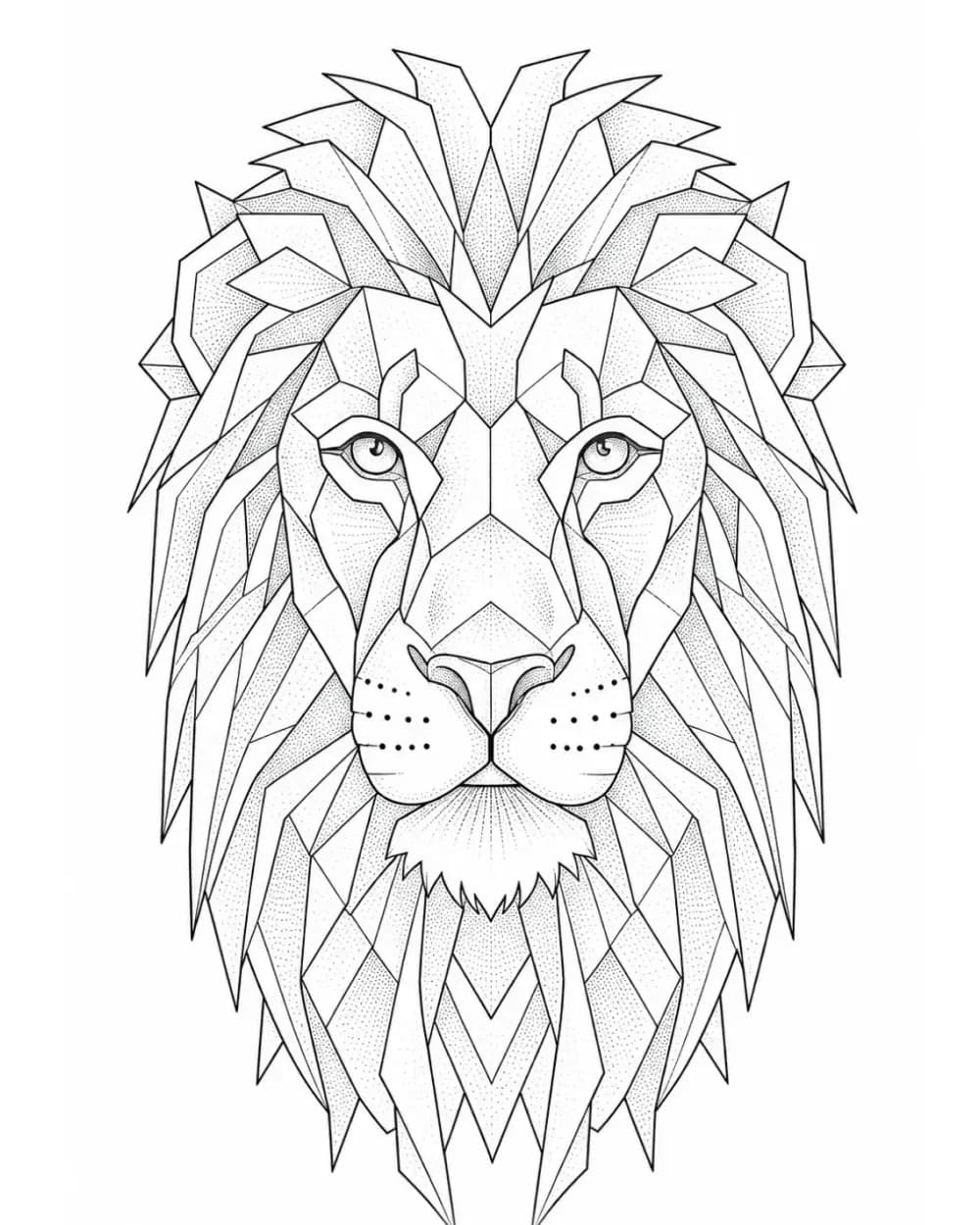
This collection compares four lion stencil directions that solve different readability problems: a faceted geometric head, a cleaner lioness profile, a floral portrait,…
What to compare
Look for the tradeoffs that matter in a stencil: what must stay, what can simplify, and which secondary elements can support the main read.
First read
Look for the silhouette, face map, major petals, mask shape, or other large landmarks that make the subject recognizable before you judge fine detail.
Detail load
Petal centers, fur marks, teeth, hair, ornament, and repeated interior lines often fail before the outer contour. Compare where each example spends its detail budget.
Composition
Flowers, swords, clocks, secondary faces, foliage, and background elements should strengthen the first read rather than compete with it at the same visual weight.
Where to go next
Choose the view that matches the decision you are making right now.
Compare one subject
Stay here when you already know the motif and want to compare silhouette, detail density, or composition across several stencil examples.
Explore a broader family
Use the full gallery when the direction is still open and you want to move across animals, floral work, people, fantasy, symbols, or other larger families.
Browse the full stencil galleryUse your own reference
When the subject is already decided, move on to the image you actually plan to use and start preparing the stencil.
Prepare a photo or referenceGet started
Compare what reads clearly, then try the workflow with the image you actually plan to use.