

Placement Prep
February Birth Flower Tattoo Stencil: Violet vs Primrose Prep
Choose between violet and primrose for a February birth-flower tattoo stencil, frame the symbolism and inscription, and keep small petals readable at birth-flower sizes.
february birth flower tattoo · violet vs primrose tattoo · february flower tattoo stencil · small birth flower tattoo placement
- November 10, 2026
- 9 min
February requests arrive with a specific question attached: which flower actually counts. The widely documented February birth flowers are the violet and the primrose, a pairing confirmed by references such as the Old Farmer's Almanac, and most client briefs name one of the two. Some studio lists add iris as an alternative, so the first job is to confirm with the client which bloom they mean before any line is drawn. This guide covers the two canonical flowers only. Once the choice is locked, it frames the symbolism clients expect, pairs the bloom with inscriptions or companion marks, and adapts the construction to the small placements birth-flower pieces usually get.
For the deep violet vetting pass, including pansy safeguards and gap retention at final size, use the dedicated violet stencil evaluation after reading this page. What follows stays on the February decision: recognition cues that change line choices, meaning and pairing framing, and small-size prep.
Pick the flower before refining any line
Violet and primrose read differently at stencil scale, so the choice changes the construction. Ask the client to point at a reference, then check the bloom against these contrasts.
| Signal | Violet (Viola) | Primrose (Primula) |
|---|---|---|
| Petal layout | Five uneven petals: two up, two to the sides, one broader lower petal carrying fine throat lines | Five rounded, often slightly notched petals forming a flat open face around a yellow eye |
| Leaves | Heart-shaped leaves, each on its own stalk from a low base | Wrinkled oblong leaves in a basal rosette hugging the ground |
| Habit | Low cluster of small blooms on slender individual stalks | Rosette with flowers on short stalks rising from the center |
| Center detail | Narrow throat lines guiding toward the flower heart | A defined yellow eye that must survive as open skin |
Two naming traps recur in February briefs. First, stock sources frequently mislabel pansies as violets. A bloom with four petals up, one down, and a bold dark face blotch is a pansy build and needs either an honest rename with the client or a fresh reference. The full safeguard sequence lives on the violet stencil page. Second, if the client brings an iris reference, say so plainly: iris has tall sword leaves with three falls and three upright standards, a completely different construction that needs its own prep rather than a violet or primrose adaptation.
Lock one flower and one focal bloom before touching width or placement. A mixed violet-plus-primrose posy is legitimate for couples or siblings born in February, but it is a two-focal composition and should be planned as one, not discovered halfway through prep.
Frame the meaning, pairing, and inscription the client expects
February symbolism is well documented, which helps: the client usually arrives with a meaning already in mind, and the stencil should protect it.
Violet meanings center on faithfulness, modesty, humility, and remembrance, with everlasting love attached in the Victorian language of flowers. Traditional color readings add a useful layer when the piece will carry tone or wash: purple for truth and loyalty, blue for faithfulness and devotion, white for innocence and purity. Primrose meanings center on young love, new beginnings, and devotion, with the old language-of-flowers message "I cannot live without you." Its Norse association with Freya and its Celtic reputation as a protective bloom give artists extra threads when a client wants the piece to feel storied rather than decorative.
Turn that symbolism into stencil decisions with three pairings that suit February briefs:
- Name, date, or month numeral in script. Short inscriptions fit the intimate tone of both flowers. Keep the lettering structurally separate from the bloom: set the wording on its own curve or baseline with open skin between text and petals, and run the lettering through its own size check with How Small Can Tattoo Lettering Be before locking the composition.
- A second bloom for a person. Partner, child, or memorial posies combine February flowers with another month's bloom. Rank the February flower as focal or secondary explicitly, and give each bloom its own center and separations rather than letting petals interlock.
- A companion mark with personal weight. Clients often request the February birthstone alongside the flower. Treat any hard geometric companion as a separate focal object with its own spacing budget, so it frames the bloom instead of crowding the throat or eye.
Agree on wording spelling, date format, and numeral style with the client before prep. Lettering corrections after transfer are expensive, and a misspelled month numeral ruins an otherwise clean birth-flower piece.
Keep petals separated and stems flowing at birth-flower sizes
Most February pieces land between 4 and 8 cm wide. At that scale the white space between marks matters more than the marks themselves. Work through these checks at the exact intended width, with scaling off on the print.
Protect one focal bloom. Below about 6 cm, carry a single bloom with at most one leaf or a short stem section. Violet keeps its read through the 2-up, 3-down rhythm and the lower-petal throat, so shorten throat lines rather than thinning them when the center crowds. Primrose keeps its read through the five rounded petals and the yellow eye, so keep the eye as an open skin ring instead of a filled dot; a filled center at 5 cm becomes one dark pocket and the primrose turns generic.
Give leaves a supporting role. A heart-shaped violet leaf should keep its silhouette with a few spaced edge notches and at most one center vein. A primrose rosette should be suggested with two or three outer leaves at most, each separated by visible skin from the bloom and from its neighbor. Full leaf texture is the first thing to simplify when gaps close. The mass-versus-separation logic behind these calls is covered in the line-weight guide, and the single-gap diagnostic in Negative Space Too Tight takes over when one specific opening is the blocker.
Let stems follow the limb. Violet stalks should run as clean single lines with open skin on both sides, never crossing a petal edge. On narrow placements, align the stalk with the limb axis and shorten cross-limb leaves while edits are still cheap. Primrose pieces sit naturally in a low rosette, so keep the composition compact and centered rather than stretching it along a long axis it was never meant to fill. When the design holds too much information for its width, simplify bloom count before thinning lines, using the density framework in Too Detailed for Size.
Verify at true size on paper. Export a true-size PDF with no fit-to-page scaling, inspect the smallest throat or eye gap and the narrowest petal separation on plain paper, and measure the print with a ruler. If the digital file passes and only paper fails, the problem belongs to the print stage: use How to Print a Large Tattoo Stencil for tiling and output setup, and the size calculator to regenerate exact dimensions.
Place the piece where a small bloom survives
Birth-flower placements reward restraint. Match the construction to the field:
- Inner wrist and inner forearm. The most requested February fields. A single bloom with its stalk on the limb axis reads cleanly and the flat surface preserves separations. Keep inscription on a gentle curve parallel to the limb, never wrapped around it.
- Collarbone. Suits a slim violet sprig with one leaf or a compact primrose rosette. Lay the long axis along the bone and confirm every petal gap at 1:1 before print, since the gentle curve hides crowding on screen.
- Behind the ear and ankle. Tiny wrapped fields where only one bloom with a clean center survives. Recrop to the strongest flower, drop the second leaf, and enlarge slightly rather than forcing detail that will merge.
- Shoulder, calf, and outer forearm. Room for a paired composition or a short stem with two blooms. Rank a focal flower, keep open skin between every bloom, and check side views for wrap compression with Fit a Tattoo Stencil to Body Placement.
- Thigh, upper back, and ribs. The only fields that earn a real cluster or a family posy. Vertical rib pieces should follow the body line with stalks running down, not across, the torso. Even here, every flower keeps its own center and separations.
For visual direction once the construction is decided, browse the floral collection for reviewed stencil structure. After placement settles, the transfer itself belongs to How to Apply a Tattoo Stencil to Skin, which starts from a passing physical stencil.
February prep checklist
Run these in order with the client brief, the intended width in millimeters, and the placement already named:
- Confirm the flower: violet, primrose, or an explicitly agreed posy or iris redirect, with the pansy check passed for any violet.
- Confirm the meaning the client wants carried, plus the exact inscription wording, spelling, and date format.
- Confirm one focal bloom, ranked secondary elements, and one removable element if gaps close.
- Confirm every petal separation, throat mark, and leaf gap stays open at true size on a measured print.
- Confirm the stalk or rosette follows the placement axis and the composition was checked in a natural posture.
- Export the adjusted version at exact size, then hand off to print and transfer owners for execution.
FAQ
Is the February birth flower the violet or the primrose?
Both. The widely documented February birth flowers are the violet and the primrose. Some studio lists add iris as an alternative, so confirm with the client which bloom they picture. This guide preps the two canonical flowers; an iris reference needs different construction and should be planned as its own piece.
How do I tell violet and primrose apart for stencil linework?
Count petals and read the leaves. Violet carries five uneven petals (two up, three down) with a throat-lined lower petal and heart-shaped leaves on separate basal stalks. Primrose carries five rounded, often notched petals in a flat face around a yellow eye, with wrinkled oblong leaves in a ground rosette. If the reference shows four petals up with a bold face blotch, it is a pansy build, not a violet; reselect or rename it with the client.
What symbolism and pairings suit a February birth-flower tattoo?
Violet reads as faithfulness, modesty, humility, and remembrance; primrose reads as young love, new beginnings, and devotion. Both pair well with a short script name or date, a second bloom for a partner or child, or the February birthstone as a separate framed companion. Keep lettering and companion marks structurally separated from the bloom with open skin between them.
What keeps a small February birth-flower stencil readable?
One focal bloom, open separations at the exact width, and simplified leaves. Hold violet throat lines short instead of thin, keep the primrose eye as an open skin ring, reduce leaves to a few spaced notches, align stalks with the limb, and verify every gap on a measured true-size print before transfer. Recrop or enlarge rather than forcing a cluster into a wrist or behind-ear field.
Related Collections
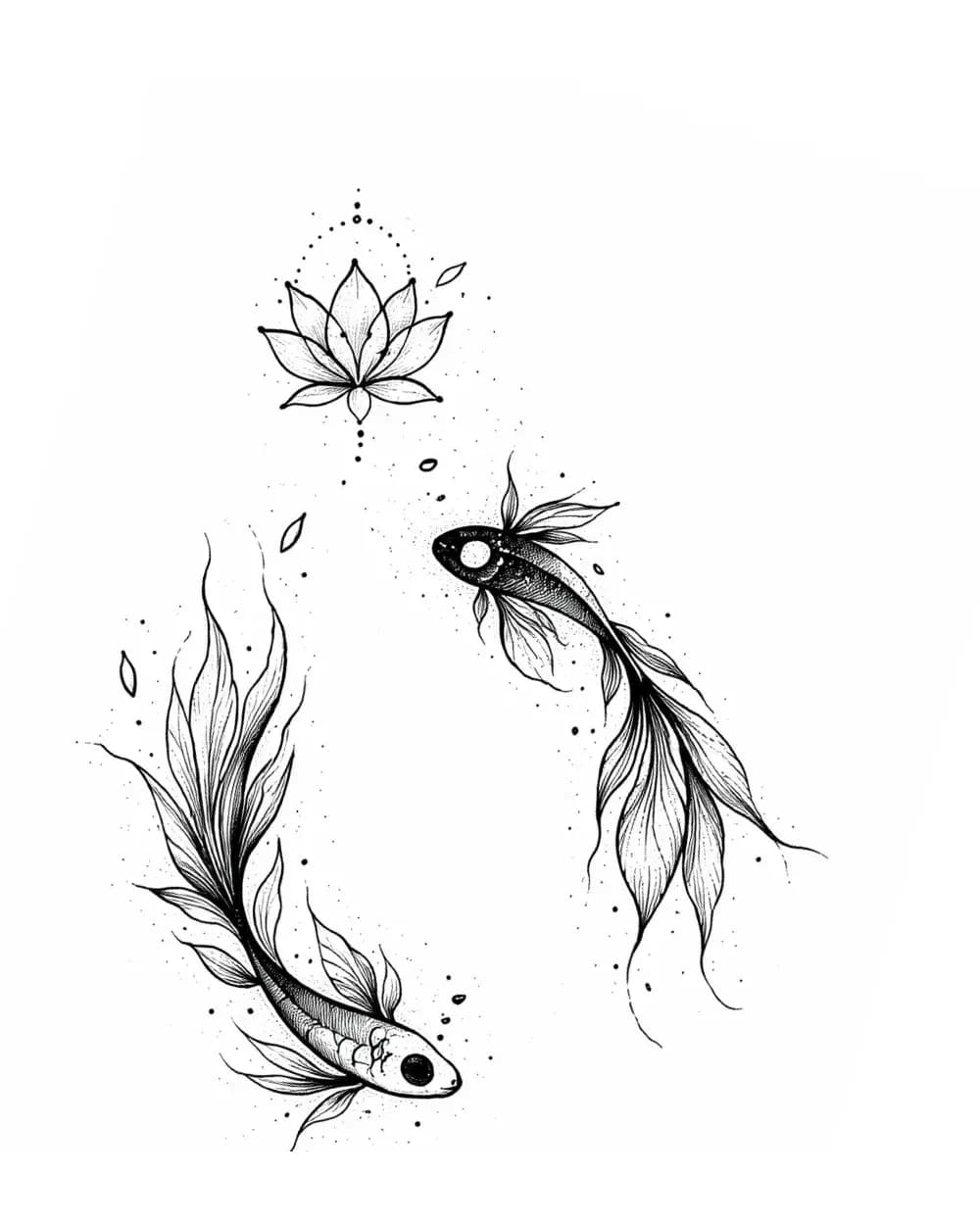
Jump from the guide to reviewed stencil examples
Related Guides
Keep reading from here
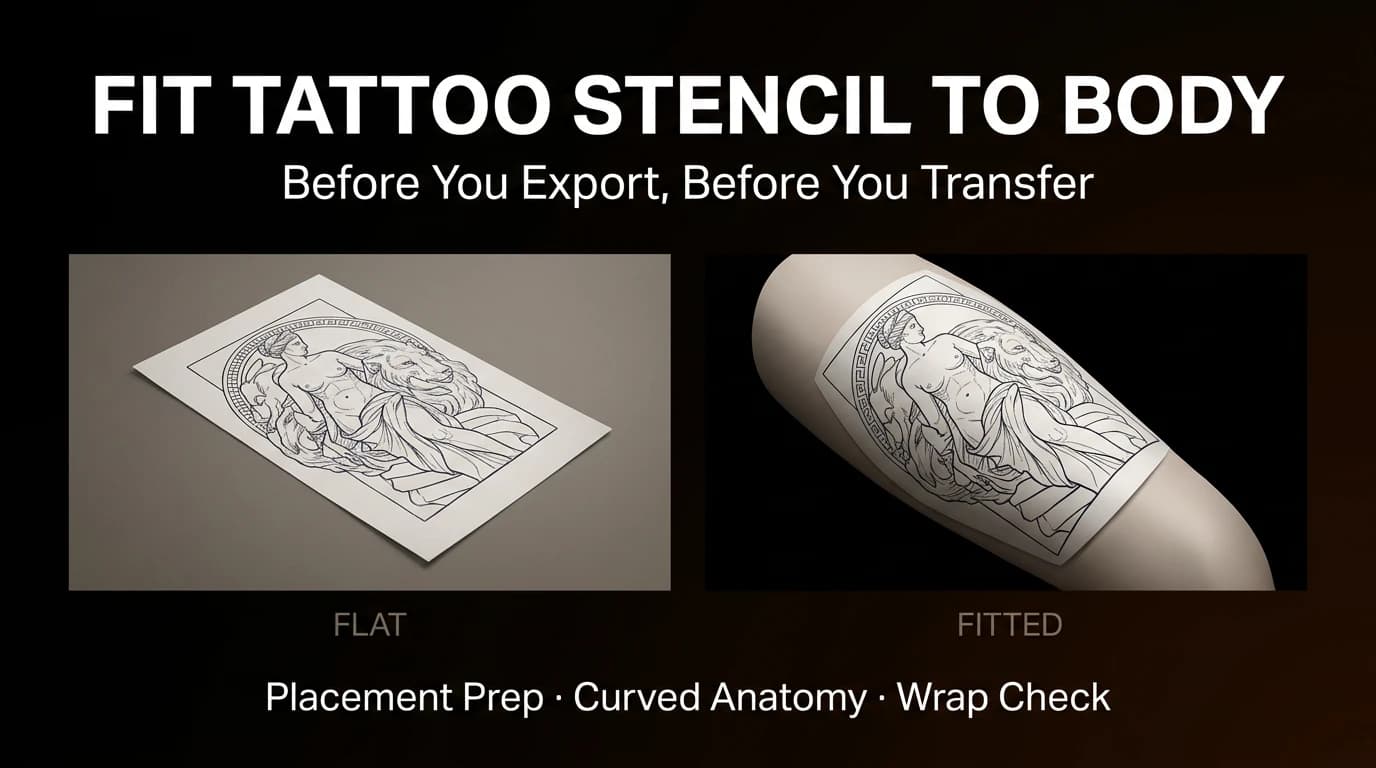
How to Fit a Tattoo Stencil to Curved Body Placement
Review focal point, wrap, compression, negative space, and body line before exporting a tattoo stencil for a curved placement.
fit tattoo stencil to body · tattoo placement prep
Read guide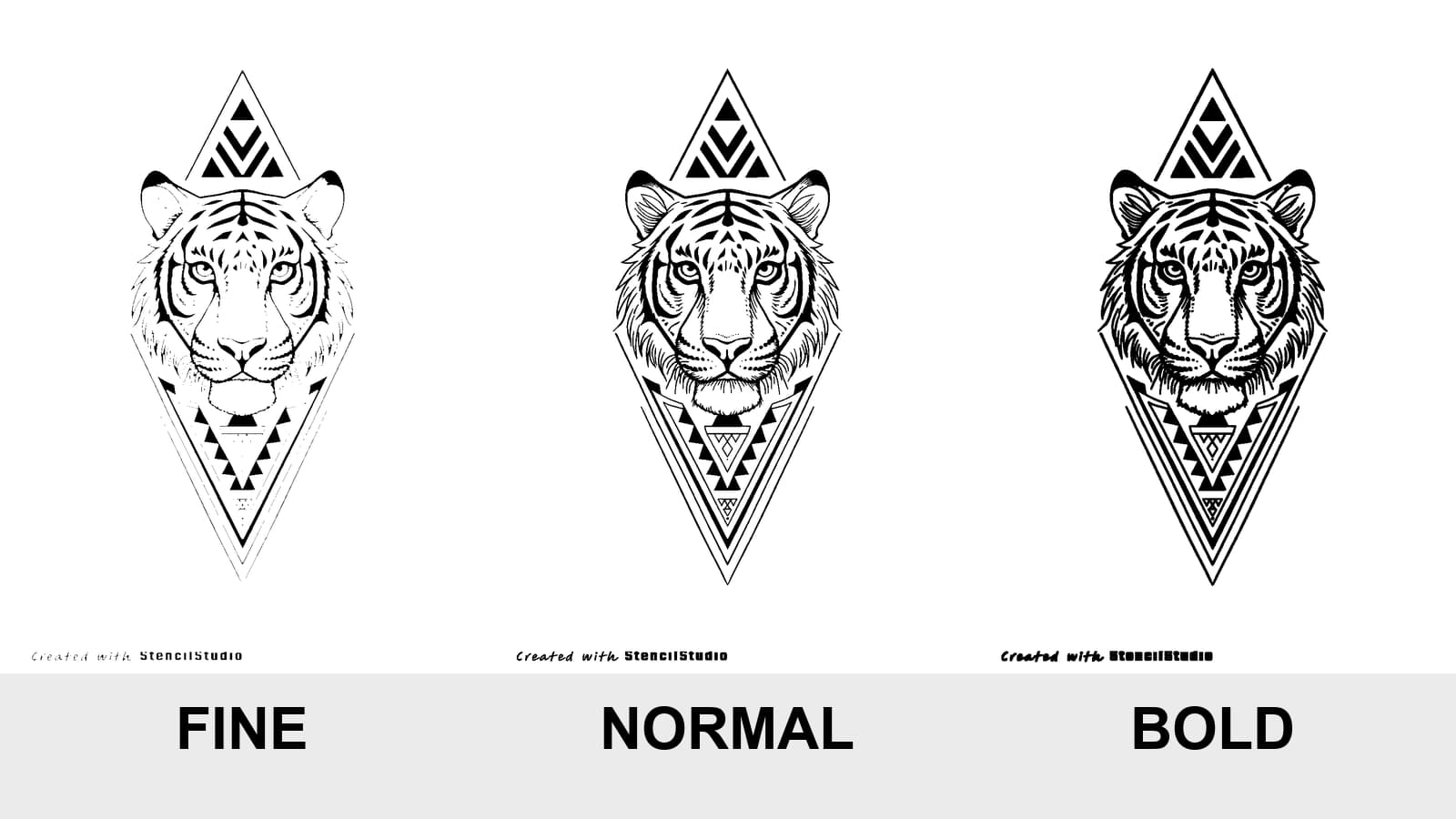
Tattoo Stencil Line Weight: Fine vs Normal vs Bold
Compare Fine, Normal, and Bold on the same tattoo stencil, see where lines disappear or merge, and test the result at the size you will actually print.
tattoo stencil line weight · fine normal bold stencil
Read guide
How to Print a Large Tattoo Stencil for Sleeves and Back Pieces
Print a large tattoo stencil at true size across multiple pages or compatible roll media, then verify scale, alignment, overlap, and placement before transfer.
large tattoo stencil · sleeve tattoo stencil
Read guideAuthor
Andrea Mezzadra
Founder and product builder at StencilStudio
Andrea builds StencilStudio and tests how the tools fit into real stencil prep, using real references and outputs to document what works, what changes, and where artist judgment still matters.
In the App
Turn the February choice into a stencil draft
Start from the flower you picked below, then set exact width, preview body fit, and export a true-size stencil in StencilStudio.