

Skull Tattoo Stencil Ideas
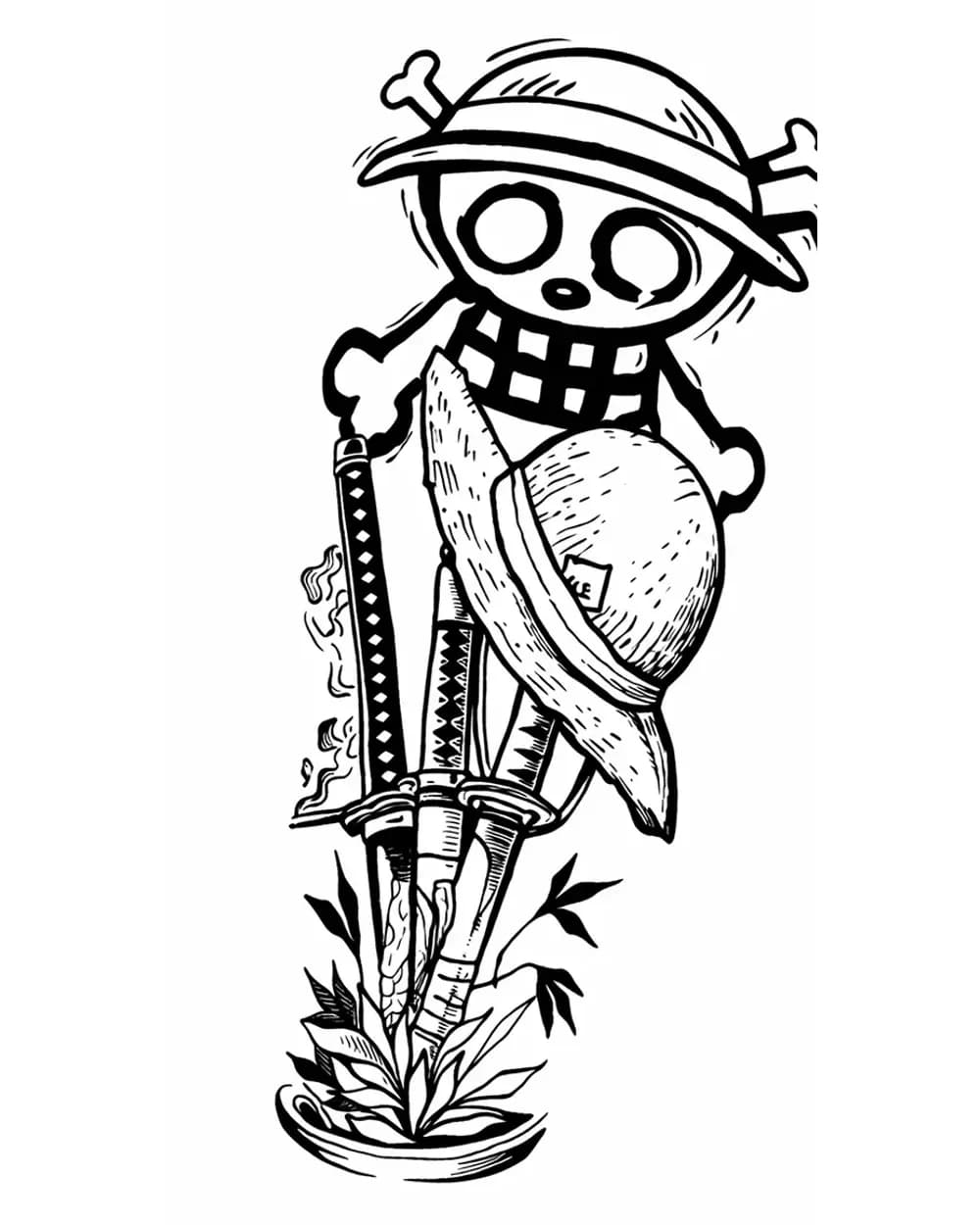
These three skull references already justify a focused skull page because they are not repeating the same job. One is a bold emblematic skull, one is a deer-skull struct…
- 3
- Practical
- Artist-first
These three skull references already justify a focused skull page because they are not repeating the same job. One is a bold emblematic skull, one is a deer-skull structure study, and the newest addition is a more emotional human-skull composition with surrounding faces. That gives the cluster enough contrast to be useful instead of feeling like a thin placeholder.
Why Skull Stencils Need Structure First
Skull tattoos can look deceptively forgiving in a drawing, but they stop working fast when the main cranial shape is buried under cracks, hair, antlers, or surrounding motifs. The strongest skull stencils land the head shape and cavities first, then let secondary elements build mood around that core structure.
What This Cluster Already Shows
This set is good for comparing three different skull use cases. The graphic skull is silhouette-first. The deer skull is structure-first. The human-skull composition is emotion-first, but it still works because the skull stays dominant instead of being swallowed by the surrounding faces.
Where Simplification Usually Matters Most
Teeth spacing, inner cavities, antler turns, and hair lines are the first things to create mud at tattoo scale. When a skull design needs simplification, start there before touching the main outer read. A skull that loses some interior detail can still work. A skull that loses its dominant shape usually cannot.
What The Subject Could Still Use Later
This cluster is already enough for a compact public-facing page, but one cleaner anatomical skull side view would make it stronger. That would add a more neutral comparison point between the bold emblem and the more illustrative human-skull composition.
Examples
Skull stencil examples
Compare the linework, spacing and detail choices that make each stencil read differently.
Skull tattoo stencil
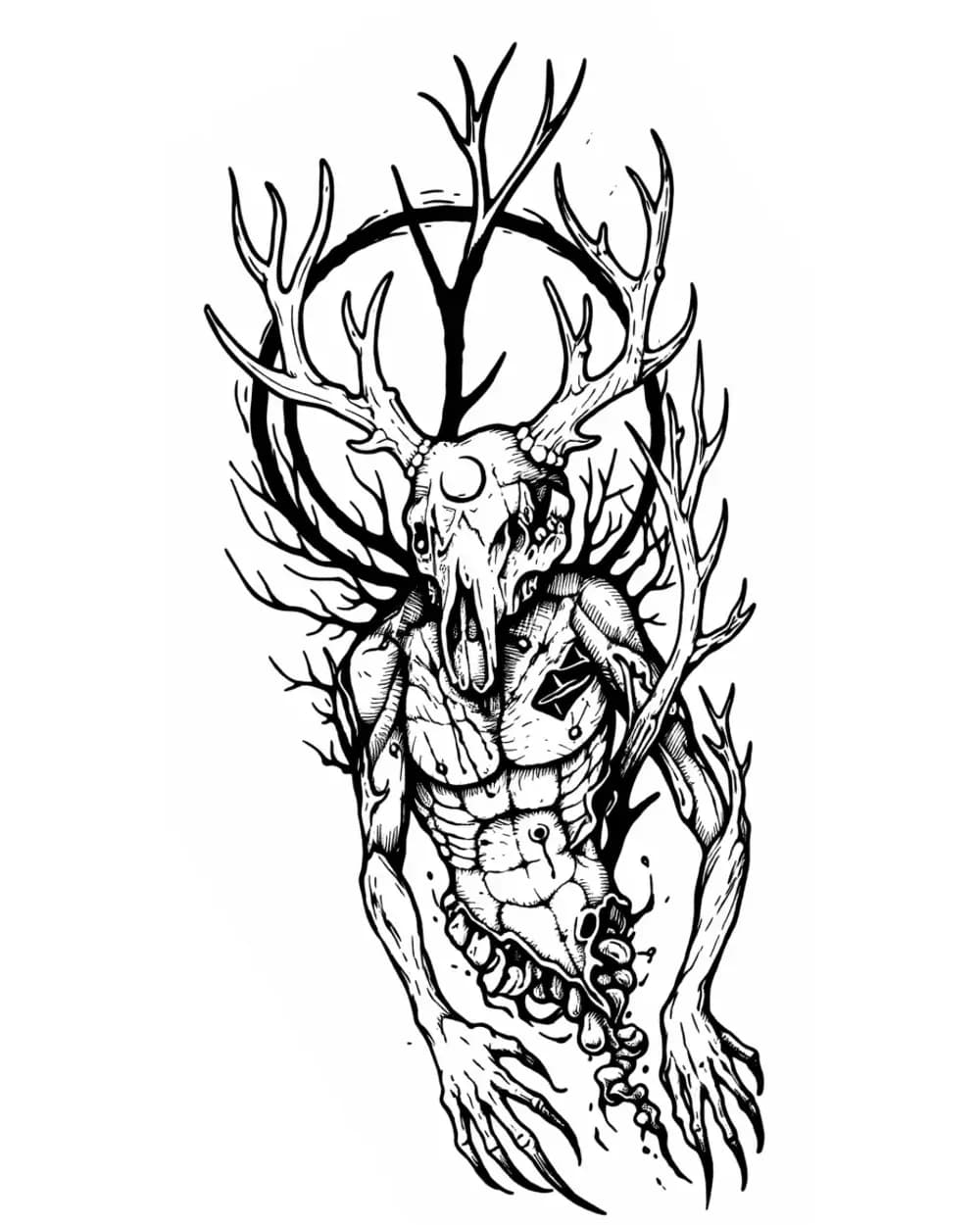
Antlered skull reference where the long silhouette and open gaps matter more than small internal turns.
Explore more skull tattoo stencils stencils
- The antler and skull relationship stays legible because the long outer breaks remain open and the central bone structure stays distinct.
- Vertical or elongated skull references where silhouette, antler spacing, and negative space drive the composition.
- Antler forks and nearby dark forms can collapse when the piece is reduced. Preserve the large openings before keeping every small turn.
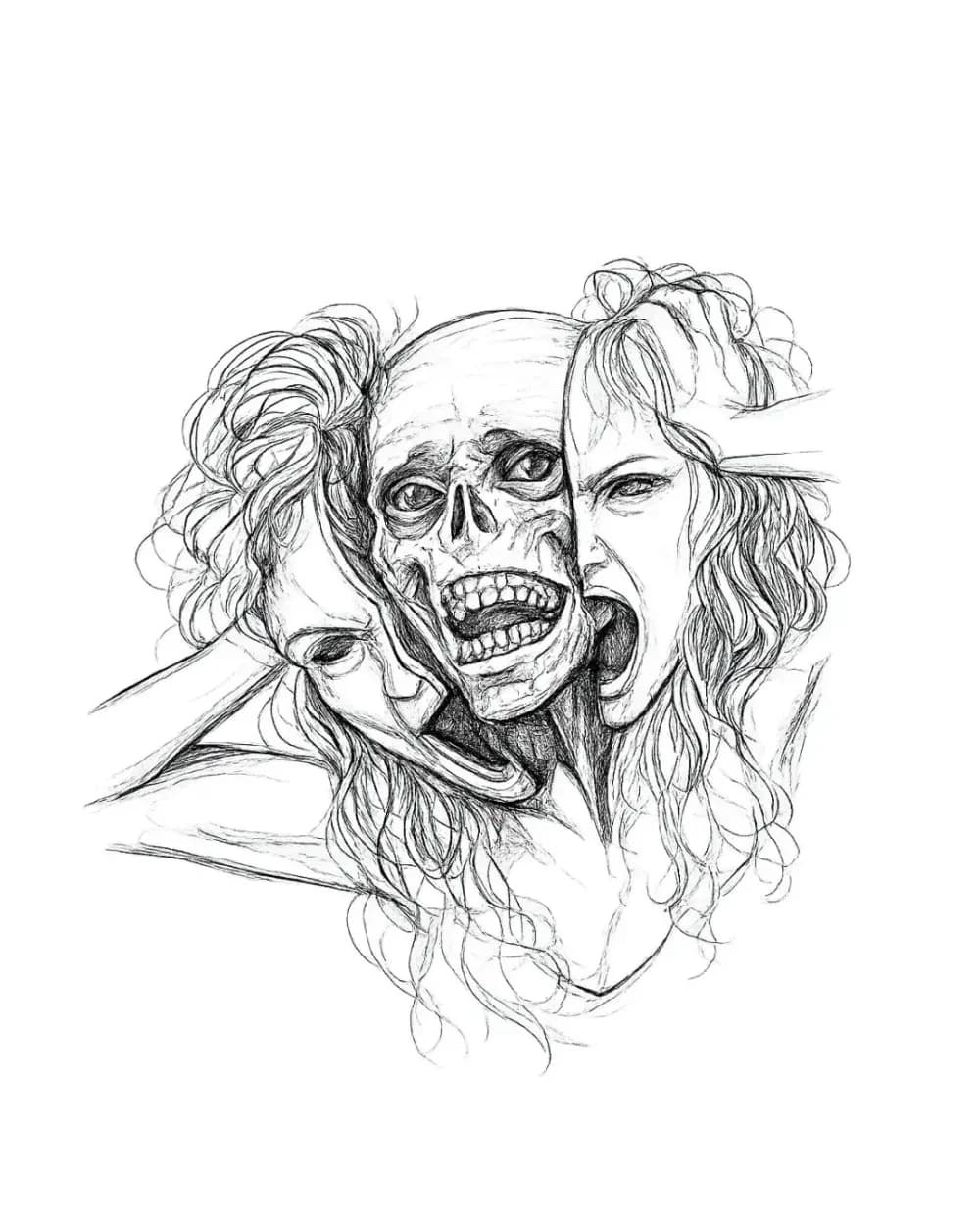
Central skull composition with two surrounding faces, useful for testing whether the skull remains the first read.
Explore more skull tattoo stencils stencils
- The eye sockets, teeth, and cranial shape establish the skull before the surrounding hair and facial contours.
- Composition-led references where one skull has to remain dominant beside human portrait elements.
- Hair lines and cheek contours can steal hierarchy if they are kept at the same density as the skull. Preserve the center subject before secondary portrait texture.
Related galleries
Keep browsing nearby stencil ideas.
Next step
Turn your own reference into a clean stencil draft.
Use what reads clearly here as direction, then start from your own reference.